
Let’s be honest: digital tools aren't just a luxury for "techy" brands anymore—they’re the baseline for staying in business and actually growing. A contactless ordering system is arguably the biggest shake-up the hospitality and retail worlds have seen since the cash register went electronic. Whether you're operating in Turkey, Europe, or Asia, customers now expect a level of autonomy that traditional service just can't match. To really win in 2024, you’ve got to find that "sweet spot" where digital ordering, smart QR tech, and social media marketing all work together. Implementing a digital menu is the first step toward modernization.
As technology continues to rewrite the rules of digital presence, tools like link analytics are becoming essential for understanding customer behavior. Sitting still isn't an option. This guide breaks down how a contactless ordering system actually works under the hood, why a dynamic QR code with analytics is a total game-changer, and why your link in bio for Instagram might just be the most undervalued real estate in your business.
The Global Shift Toward Contactless Solutions
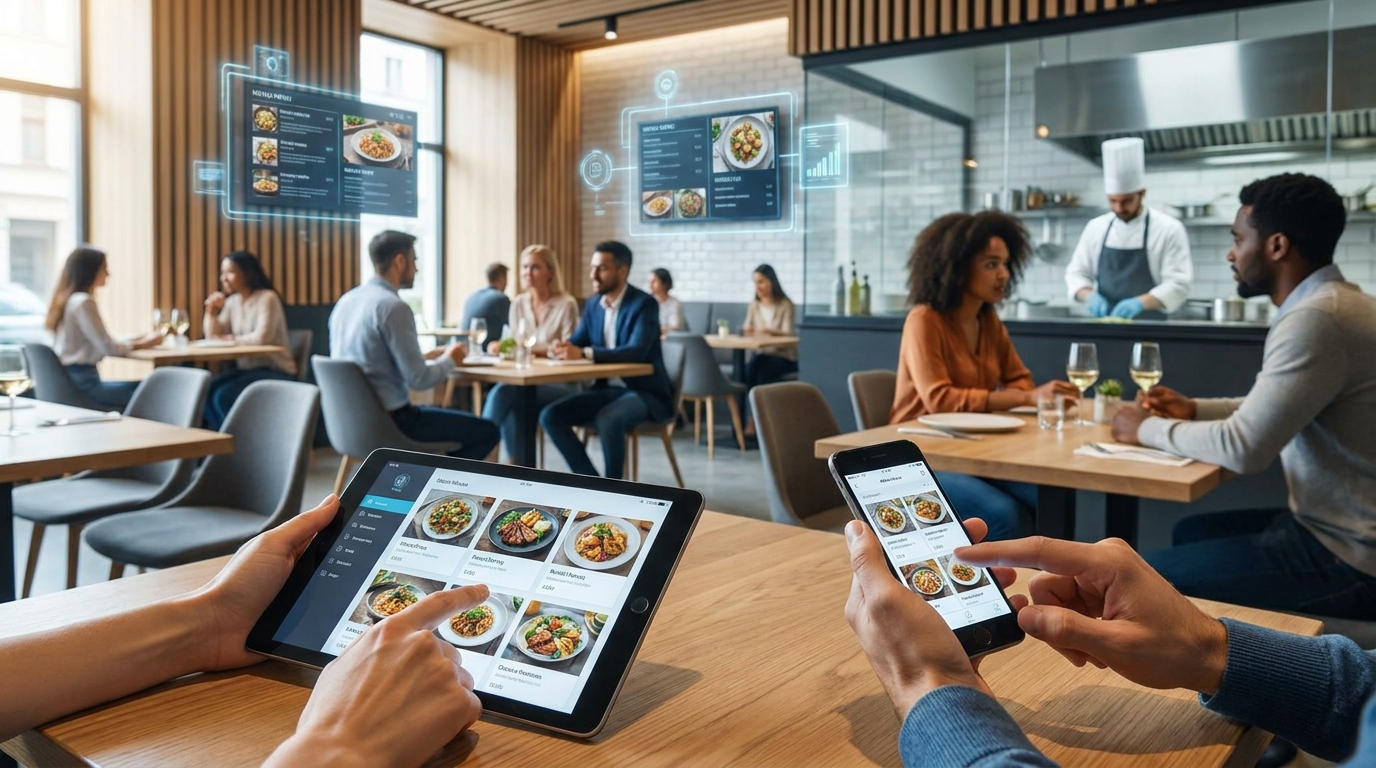
The rush toward contactless tech isn't just a leftover habit from the pandemic—it’s driven by a massive shift in how we want to buy things. Most of us now value speed and precision over small talk. With a contactless ordering system, your guests can browse, tweak their order, and pay without ever waving down a waiter or standing in a soul-crushing queue. It’s about removing friction, plain and simple.
In Turkey, we're seeing businesses blend these digital tools with their famous tradition of warm service to create a "best of both worlds" experience. Over in Europe, the move is often about keeping things efficient while labor costs climb. Meanwhile, in tech-heavy hubs like Singapore or Tokyo, mobile-first service isn't a feature; it's the default. This global shift is even changing how businesses operate—staff today need to be as comfortable managing a digital dashboard as they are talking to a guest. You can learn more about Qret and how we support this transition.
Core Components of a Successful Contactless Ordering System
A solid system is a lot more than just a PDF menu slapped onto a website. It’s an integrated engine that keeps your operations humming. If you're looking to scale, your contactless ordering system needs these four pillars:
- An Intuitive Digital Interface: This should be a mobile-optimized web app—think high-res photos, clear descriptions, and easy-to-find allergen info. If it’s hard to use, people won't use it.
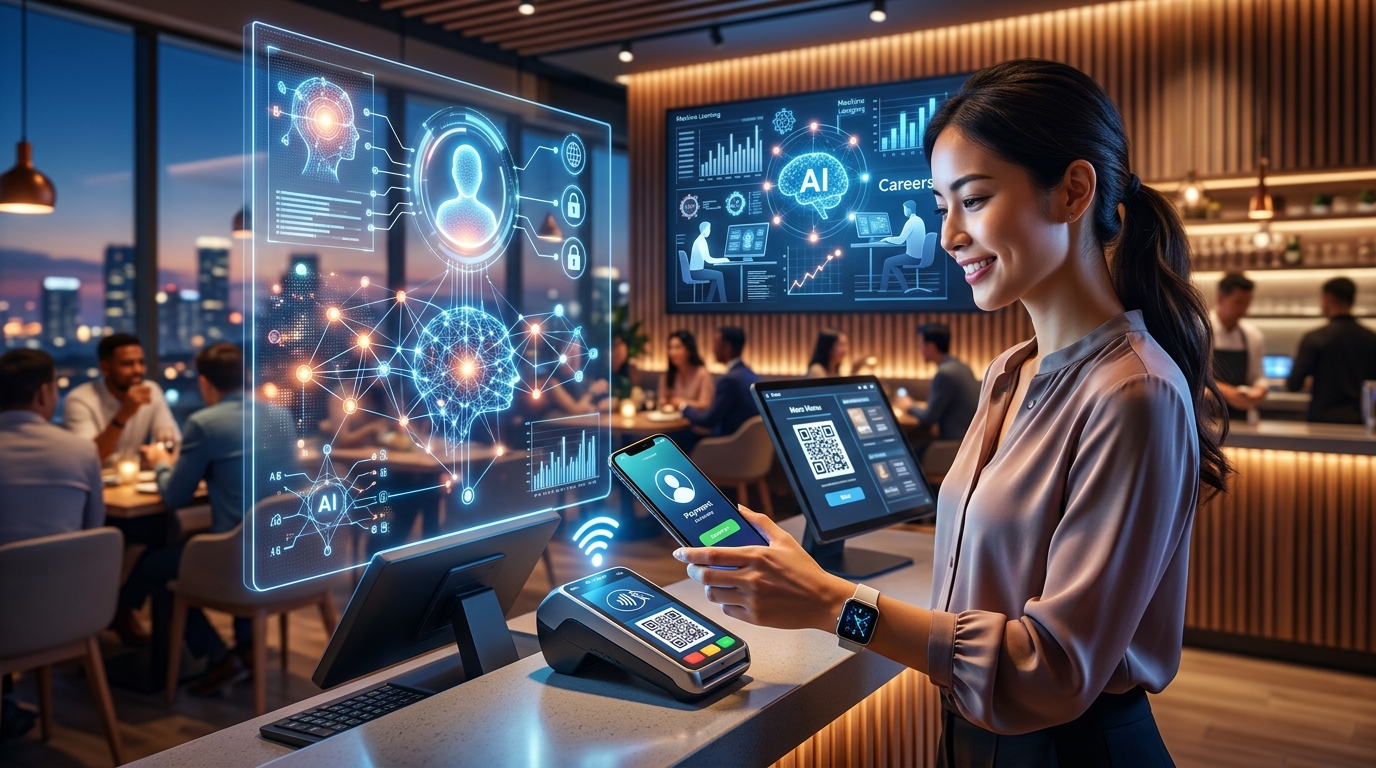
- Seamless Payments: You need to support everything from standard credit cards to Apple Pay, Google Wallet, and the local digital wallets your customers actually use.
- Real-Time Kitchen Dashboard: Your back-of-house team needs a central hub to track orders, manage prep times, and toggle "sold out" items the second they run out.
- Loyalty and CRM: Every order is a chance to learn. Use tools that capture data to offer rewards and keep customer engagement strategies fresh.
Strategic Advantage: Dynamic QR Code with Analytics
The humble QR code is usually the first point of contact for your customers. But here’s the thing: not all codes are created equal. If you want to drive real growth, you need to be using a dynamic QR code with analytics. By using a professional QR code generator, you gain access to vital business intelligence.
The Difference Between Static and Dynamic Codes
Think of a static QR code like a tattoo—once it’s printed, it’s permanent. If your menu link changes, you’re stuck reprinting every single sticker and table tent. A dynamic QR code, however, is more like a digital billboard. You can change the destination URL whenever you want without ever touching the physical code. It’s a lifesaver for daily specials or seasonal shifts.
Unlocking Growth with Data Analytics
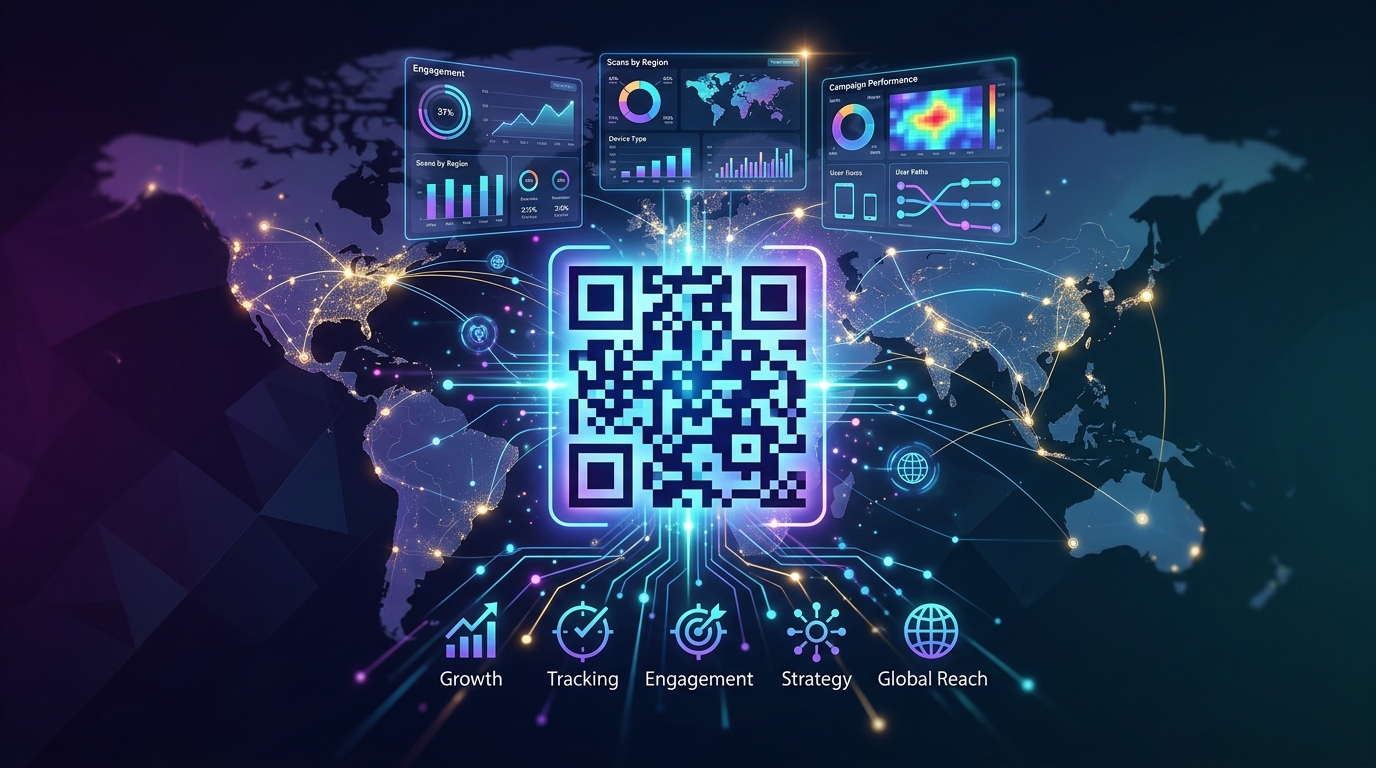
The "analytics" side of a dynamic QR code with analytics is where the real magic happens. Every scan tells a story. You can see things like:
- Scan Frequency: Which tables or marketing flyers are actually pulling their weight?
- Timing: When are your customers most engaged? (Lunch rush? Late night?)
- Device Data: Are they on iPhones or Androids? This can actually change how you design your mobile experience.
- Conversion Rates: How many people are just browsing, and how many are actually hitting "buy"?
By digging into this data, you can staff up for peak contactless hours and make sure you aren't overstocking items that nobody is clicking on.
Transforming Instagram into a Sales Engine
For most businesses today, the customer journey starts on a phone screen. Instagram is your digital storefront, which makes your link in bio for Instagram the ultimate bridge to a sale. Don’t just send people to a generic homepage—that’s a wasted click. Your link in bio for Instagram should lead people straight into your contactless ordering system. Utilizing a specialized bio link tool can significantly increase your conversion rates.
Optimizing the Link in Bio Experience
To turn followers into customers, keep it simple. Your link in bio for Instagram should look like a "micro-landing page" with a few high-priority options:
- Order Now: Straight to the menu—no distractions.
- Book a Table: For those who want the full experience.
- Weekly Specials: A quick way to hook the undecided.
- Direct Support: A link to WhatsApp or Messenger for quick questions.
By cutting down the number of taps it takes to buy something, you’ll see a much better return on all those hours you spend on social media.
Regional Perspectives: Turkey, Europe, and Asia
A contactless ordering system shouldn't be "one size fits all." It has to make sense for where you are.
Turkey: Modernizing Traditional Hospitality
In Turkey, the tourism boom is a huge factor. A contactless system can automatically show the menu in the guest’s native language based on their phone settings. It’s an easy way to break down communication barriers and use beautiful photos to upsell without any awkwardness.
Europe: Efficiency and Compliance
European businesses have to balance tight privacy laws (GDPR) with a very real labor shortage. A dynamic QR code with analytics helps managers keep tabs on table turnover and service flow, making it possible to run a busy shift with a smaller, more focused team.
Asia: The Vanguard of Mobile Commerce
Asia is years ahead in the contactless game. In places like Seoul or Singapore, these systems are often baked into "super-apps." They’re even using AI to suggest dishes based on what a customer ordered last time—talk about a personalized experience.
A Step-by-Step Implementation Strategy
Switching to a contactless model can feel like a lot, but you can break it down into a few manageable steps:
- Pick the Right Tech: Find a provider that’s stable and offers scalable features. Check our pricing to find a plan that fits your business size.
- Visuals Matter: People eat with their eyes—especially on a screen. Get professional photos of your best dishes.
- Get the Staff on Board: Your team shouldn't fear the tech; they should be its biggest fans. Train them to help guests who aren't used to scanning a dynamic QR code.
- Strategic Placement: Don’t hide your codes. Put them on tables, entry signs, and takeaway bags.
- Link it Up: Make sure your link in bio for Instagram is updated so your followers can order in seconds.
- Watch the Data: Regularly check your dynamic QR code with analytics to see what’s working and what’s a bottleneck.
Frequently Asked Questions
Will a contactless system replace my waitstaff?
Not at all. Think of it as an assistant that handles the boring stuff—like taking orders and running cards. This frees up your team to actually focus on being hospitable and making sure guests are happy. For more tips on staff efficiency, check out our blog.
Is the data from a dynamic QR code with analytics private?
Yes, usually. These systems track anonymous data (like what time people scan) to help you run the business. Unless someone signs up for a newsletter, you aren't snooping on their personal info.
Can I use a contactless ordering system for takeaway only?
Totally. Lots of spots use it for "Click and Collect." By putting the link in bio for Instagram front and center, you can let locals order their lunch without ever having to pick up a phone.
What happens if the internet goes down?
It’s the nightmare scenario, right? Luckily, most modern systems have a hybrid mode or local backup that keeps the kitchen printing orders even if the Wi-Fi gets spotty.
Conclusion
Moving to a contactless ordering system isn't just a trend; it's the new standard for doing business. When you combine a dynamic QR code with analytics with a smart link in bio for Instagram, you aren't just selling more—you're building a smarter, more resilient company. Whether you’re in Istanbul, Paris, or Tokyo, the goal is the same: stay relevant, stay efficient, and keep your customers coming back. This isn't just about tech; it's about future-proofing your business.