

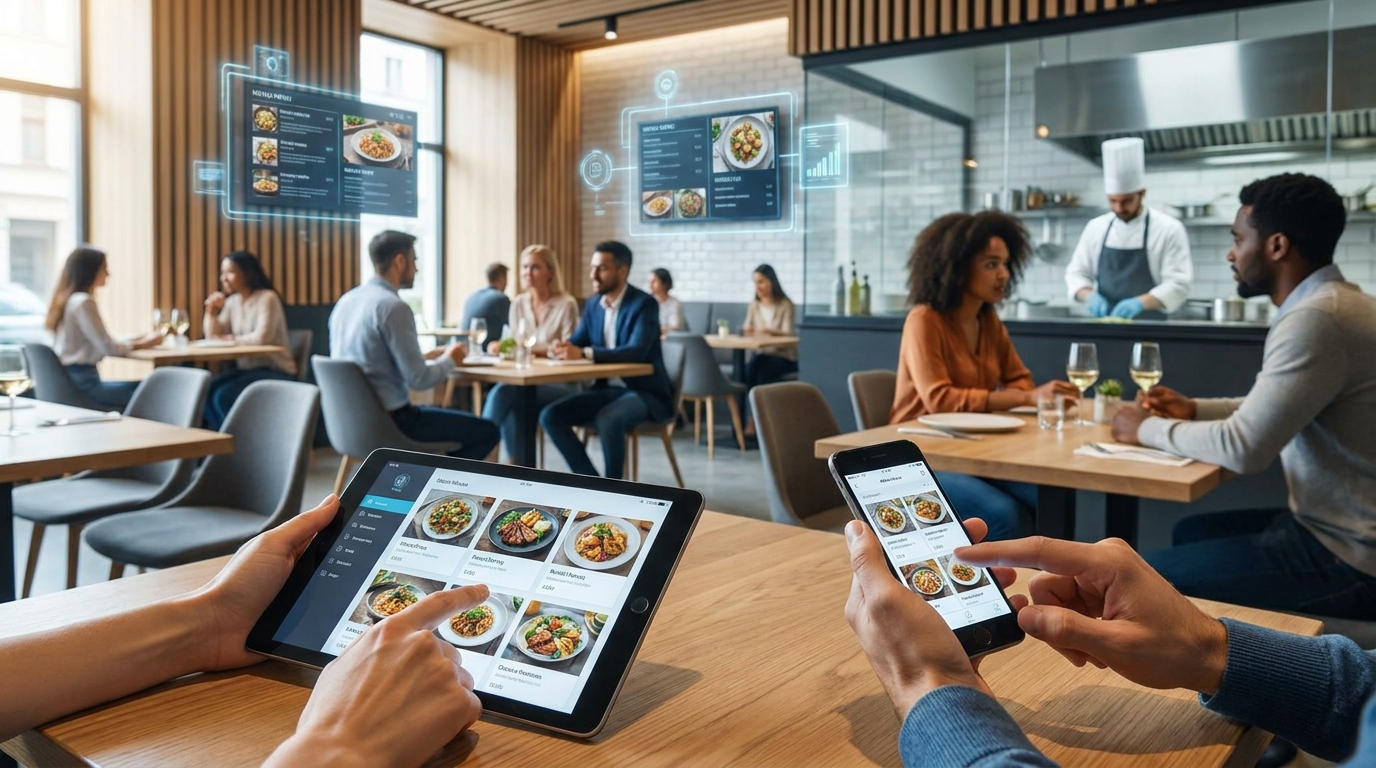
2025 Guide: How a Restaurant Digital.Menu App Boosts Sales
Forget the idea that a restaurant digital.menu app is just a passing trend. By 2025, it’s become the literal engine room of a profitable hospitality business. With inflation bouncing around and the labor market staying stubborn, ditching paper for a high-end digital.menu app isn't just smart—it's how you protect your margins. Think about it: you can swap out out-of-stock items, adjust pricing to match your supply costs, and push your most profitable specials without ever touching a printer. It's a smoother ride for your guests and a bigger win for your till. The numbers back it up, too—half of all diners now actually expect to browse, order, and pay through their phones. If you aren't adapting to how people want to eat out today, you're essentially leaving money on the table.
We’re going to walk through the nuts and bolts of building digital menus that actually convert—turning one-time visitors into the kind of regulars who keep your lights on. We'll also dig into the strategy behind using a QR code generator and why "Digital Twins" (essentially AI Waiters) are changing the game. Whether you’re running a cozy corner cafe or a massive fine-dining operation, these tools are your ticket to long-term growth. To see the full potential of what's possible, check out our platform features page.
Why the Old Ways Aren't Working: The Rise of Digital.Menu Apps
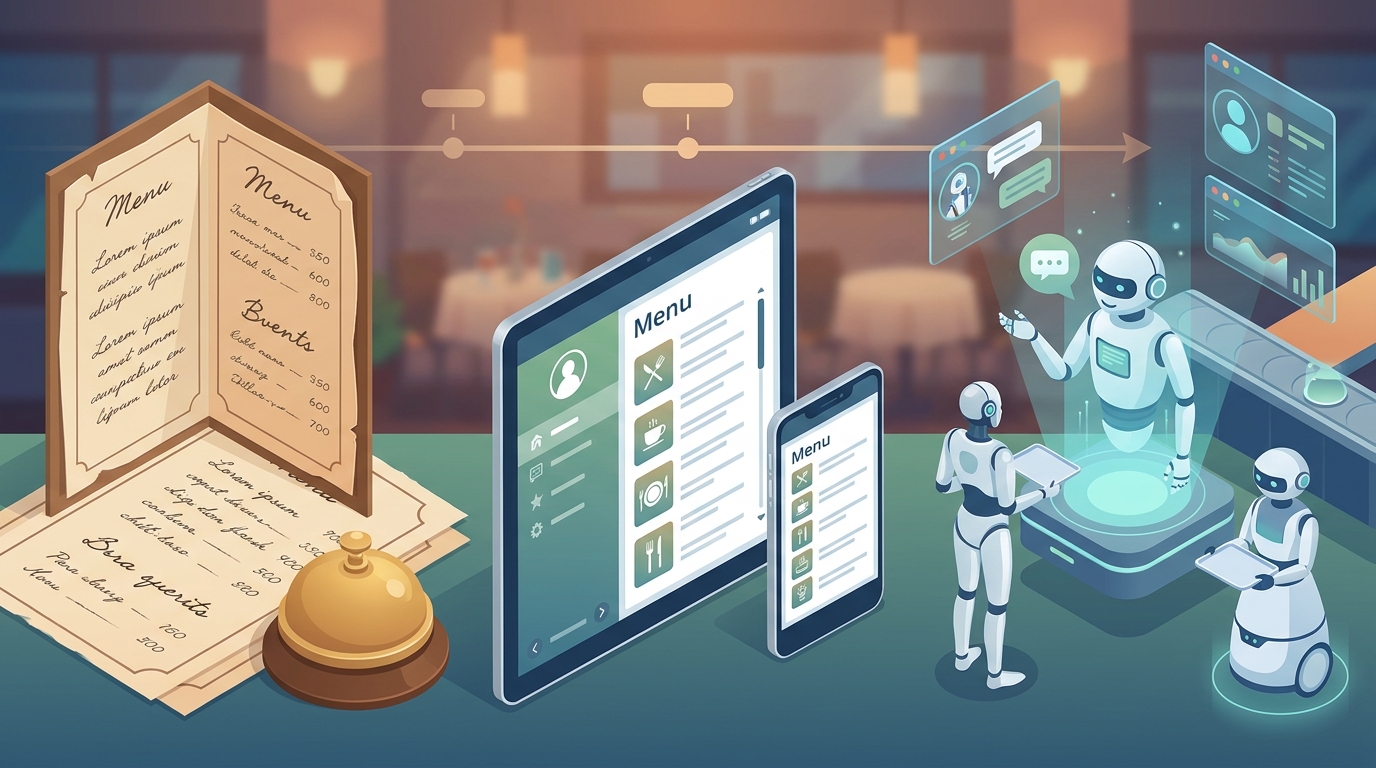
The shift toward the restaurant digital.menu app wasn’t an accident; it happened because guests are tired of waiting and want total transparency. Remember those early digital menus? They were usually just clunky PDF files that forced you to pinch and zoom like a detective. Those days are over. A modern digital.menu is a snappy web app that plays nice with social media, reservations, and AI. It makes the journey from "this place looks good" to "check, please!" feel effortless for everyone involved.
Let’s talk about the "hidden" cost of paper. Printing high-quality menus can easily bleed a restaurant for $2,000 to $5,000 every single year. Every time you tweak a cocktail or pull a seasonal dish, you’re paying for it. With a digital.menu, those bills just... vanish. Plus, you get real-time inventory control. If the kitchen runs out of the ribeye or that specific Napa Cab, you can hide it in three seconds flat. No more awkward moments where a server has to walk back to a table to deliver bad news to a hungry guest.
Good design is about more than just looking pretty; it’s about psychology. When people see a crisp, mouth-watering photo of a dish, they’re 30% more likely to order it. Tools like Qret.me let you build interactive catalogs that act as your most persuasive (and quietest) salespeople, working every second of every shift to highlight your best items.
What Makes a Restaurant Digital.Menu App Actually Good?
Not every digital menu is built the same way. To get a real return on your investment, you need a platform that actually understands the chaos of the hospitality world. A professional restaurant digital.menu app in 2025 needs to be more than a list of food—it’s an interactive hub for your brand.
Mobile-First Responsive Design
Since nearly 100% of your guests are accessing your menu on a smartphone, the interface has to be flawless. We're talking big buttons, easy-to-read fonts, and zero excessive scrolling. If a menu takes too long to load, you've already lost them. Speed is everything for a modern restaurant.
Advanced Search and Filtering
Dietary needs aren't a niche anymore; they're the norm. A great app lets guests instantly filter for vegan, gluten-free, or keto options. When a guest can see exactly what's safe for them to eat without interviewing the server, they feel more comfortable and spend more. Plus, it cuts way down on the risk of kitchen errors and allergy scares.
Dynamic Upselling and Cross-selling
A smart digital.menu never forgets to ask if they want bacon on that burger or a specific craft beer pairing for their steak. These small nudges can bump your average check size by 15-20%. Even your best servers might forget to upsell during a Friday night rush, but a restaurant digital.menu app stays on its game 24/7.
Multi-Language Support
If you're in a tourist hotspot or a diverse city, language barriers are basically lost revenue. A digital system can detect a user’s phone language and translate the menu automatically. It makes international guests feel welcome and ensures they know exactly what they’re ordering (and paying for).
Integrated Online Booking
Don't just show them the food; give them a place at the table. Letting guests book 24/7 directly from the menu is a massive win. Using a smart booking system saves your staff from answering the phone and keeps your dining room busy even during off-peak hours.
Turning Scans into Sales: The Smart Way to Use a QR Code Generator
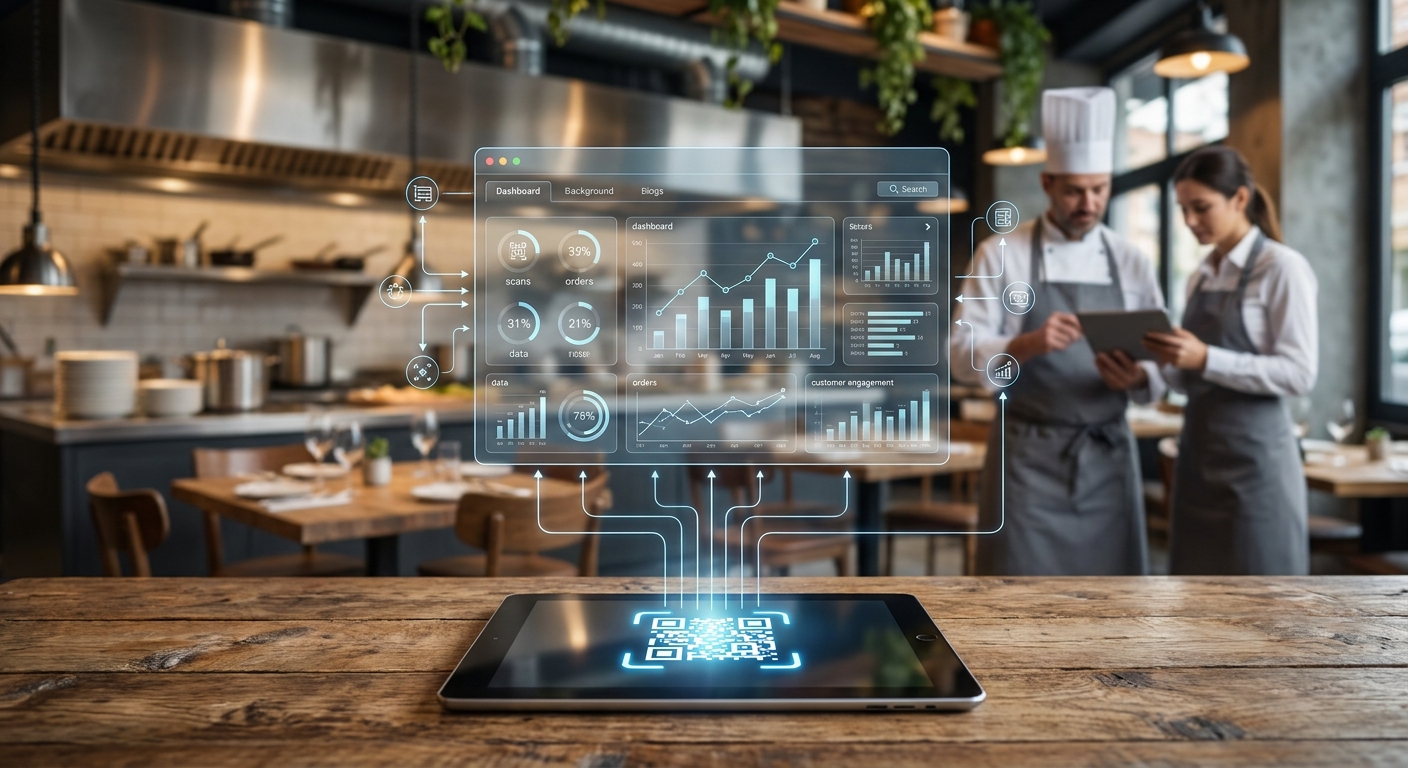
Think of a QR code generator as the bridge connecting your physical dining room to your digital world. But here’s a common mistake: using "static" codes. They’re a dead end. If your menu link changes, those printed codes become useless squares of pixels. You want dynamic QR codes—trust me on this.
With a professional QR code generator from Qret.me, the code stays the same even if you change the destination link. Want to redirect guests to a Valentine’s Day special for one night and then back to the normal menu the next morning? You can do it in one click. Plus, you get actual data. You can track which tables get the most scans and see which marketing materials—like window stickers versus table tents—are actually pulling their weight.
Also, don't ignore the aesthetics. In 2025, plain black-and-white codes are a missed branding opportunity. Modern tools let you customize codes with your restaurant logo and brand colors. This makes the codes look like a deliberate part of your decor rather than a techy afterthought. Stick them on tables, coasters, and takeout boxes to keep your digital.menu within arm's reach.
AI Nano Agents: Having a Top-Tier Waiter in Every Pocket
The biggest breakthrough for the food industry this year is AI integration. While a basic menu just provides info, an AI Waiter (or "Digital Twin") actually engages with your guests. This agent is trained on your specific data—your ingredients, your brand story, and even your chef’s favorite wine pairings.
Imagine a guest wondering, "Is the salmon sustainably sourced?" or "What’s a white wine that isn’t too dry?" Instead of flagging down a busy server who's carrying three plates, the guest gets an instant answer on their phone. These agents work around the clock without getting stressed. They speed up the ordering process and help turn tables faster. Restaurants using AI often see much higher satisfaction scores because that "wait time" for information is basically zero.
Turning Social Followers into Diners with a Restaurant Bio Link
Instagram and TikTok are the modern storefronts, but they usually limit you to a single link in your profile. That’s where a specialized bio link tool comes in. Your bio link should be a high-speed landing page that turns casual scrollers into confirmed diners.
A professional bio link for a food business needs to include:
- A direct path to your live digital.menu.
- A clear button for online booking.
- High-quality video of your kitchen and vibe.
- Links to your latest Google or Yelp reviews to build trust.
- A simple sign-up for your loyalty program.
By using one professional bio link, you keep guests in your own ecosystem. You don’t want them leaving your profile to find you on a third-party app where you’ll be hit with high commissions. You want them booking and ordering directly through your own restaurant digital.menu app.
The Green Factor: Saving Trees and Your Budget
Beyond the cash, moving to a digital.menu app is a major win for the planet. The traditional restaurant industry produces a staggering amount of paper waste. Between seasonal shifts and daily specials, the amount of paper and plastic lamination that hits the landfill is huge. In 2025, your guests actually care about this.
When you ditch physical menus, you position your restaurant as an eco-conscious brand. It’s a powerful marketing tool. You can mention your "paperless initiative" in your bio link and on social media. It’s one of those rare win-win scenarios where you lower your overhead while looking better in the eyes of your customers.
Ready to go? Here’s How to Kick Off Your Digital Journey
Transitioning your restaurant to a digital-first model is way simpler than most owners think. You don’t need a tech degree; you just need the right partner. Follow these steps to get moving:
- Get Great Photos: Your digital menu is only as good as it looks. Hire a pro or use a high-end phone with natural light. Use an image compressor so your photos look sharp but load instantly.
- Build Your Catalog: Use a platform like Qret.me to upload your items. Group them logically—Appetizers, Mains, Cocktails. Don’t skimp on the descriptions or allergen tags.
- Set Up Your AI Assistant: Feed your menu data into an AI agent. Make sure it knows your hours, parking, and today's specials.
- Print Your Dynamic Codes: Use a QR code generator to create branded codes. Print them on durable materials that fit your vibe.
- Get the Team On Board: Your servers are your best advocates. Make sure they know how to help guests scan the code and explain why it’s better.
- Watch the Data: Check your analytics every week. If no one is clicking on a certain appetizer, try a different photo. Use that data to make the restaurant more profitable.
Got questions about the setup or how to maximize your ROI? You can always contact our support team. We specialize in helping hospitality brands navigate this digital world without the headache.
Final Thoughts
The food and beverage world is moving at breakneck speed. To stay ahead of the pack in 2025, you need more than just a good steak; you need a frictionless guest experience. A restaurant digital.menu app paired with a smart QR code generator and AI tools gives you the efficiency you need to survive and the upselling power you need to thrive. Platforms like Qret.me offer an all-in-one solution that replaces a dozen expensive subscriptions with one easy dashboard. If you’re ready to boost sales and modernize your brand, it’s time to lean in. Try Qret.me today for free and see the difference it makes.
FAQ
How much does a restaurant digital.menu app cost?
Costs vary quite a bit. Basic versions are often free, while pro tiers usually have a modest monthly fee. That said, the system usually pays for itself in month one just by cutting printing costs and boosting the average check size through upselling.
Do guests need to download an app to see the menu?
Definitely not. A modern digital.menu runs right in the mobile browser. A guest scans the QR code, and the menu pops up instantly. No one wants to download another app just to see what’s for dinner.
Can I update "Happy Hour" prices automatically?
You bet! One of the coolest parts of a restaurant digital.menu app is the ability to schedule price changes. You can set your Happy Hour menu to go live and turn off at specific times, so your staff doesn't have to explain pricing on the fly.
What exactly is a "Digital Twin" for a restaurant?
A Digital Twin is an AI agent that acts like a virtual version of your most knowledgeable server. It uses your restaurant data to answer questions, recommend drinks, and provide a personalized experience through the digital menu interface at any time of day.
Will a digital menu make my restaurant feel cold or impersonal?
Actually, it’s the opposite. By taking the repetitive tasks—like reading off specials or checking for nuts—off the server's plate, they have more time to actually focus on hospitality, talk to guests, and make sure everyone’s having a great time.