

How Contactless Ordering and Payment Systems Change Digital Identity and AI Careers
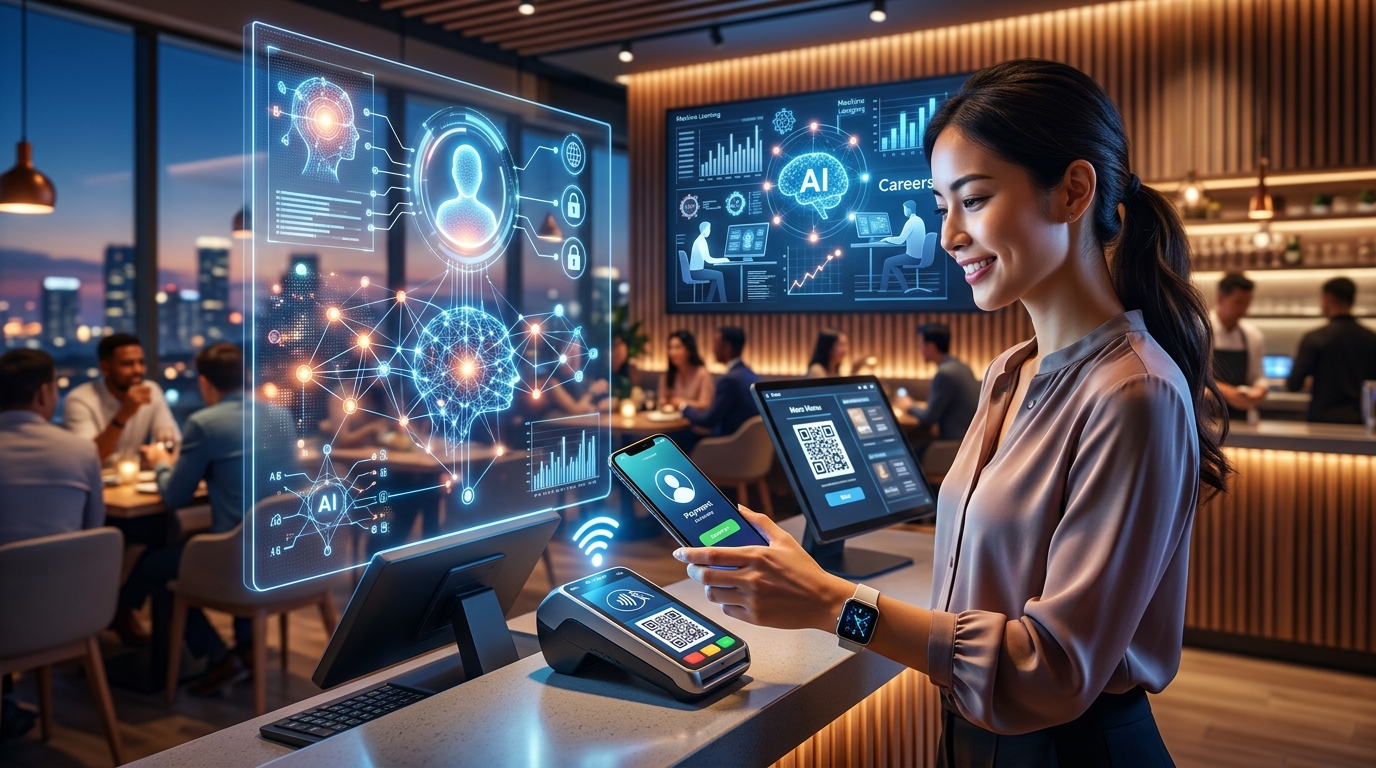
The global economy is shifting in ways we haven't seen before, largely because touch-free technology has moved from a "nice-to-have" to a total necessity. These days, contactless ordering and payment systems aren't just about avoiding a germy card reader—they've become a central part of our digital identity. Whether you're grabbing a flat white in a busy Istanbul cafe or navigating the high-tech malls of Tokyo, these systems are everywhere. They're changing how we buy things, sure, but they’re also reshaping the job market. This look at the industry explores how these tools are streamlining our lives while opening up massive AI development paths and changing the very foundation of how we exist online.
The Evolution of a Touchless Economy
The move toward contactless interactions definitely got a boost from the pandemic, but the real drivers are much deeper: efficiency and personalized data. Think about it—before things went digital, a transaction was just cash changing hands. Now, every tap or scan creates a story. These data points act as the high-octane fuel for Artificial Intelligence, giving businesses a crystal-clear view of what customers actually want. As we get further into the 2020s, the way contactless ordering and payment systems have woven themselves into the fabric of daily life is sparking a huge demand for experts who can build, protect, and scale these massive digital networks.
The Tech Behind Contactless Systems
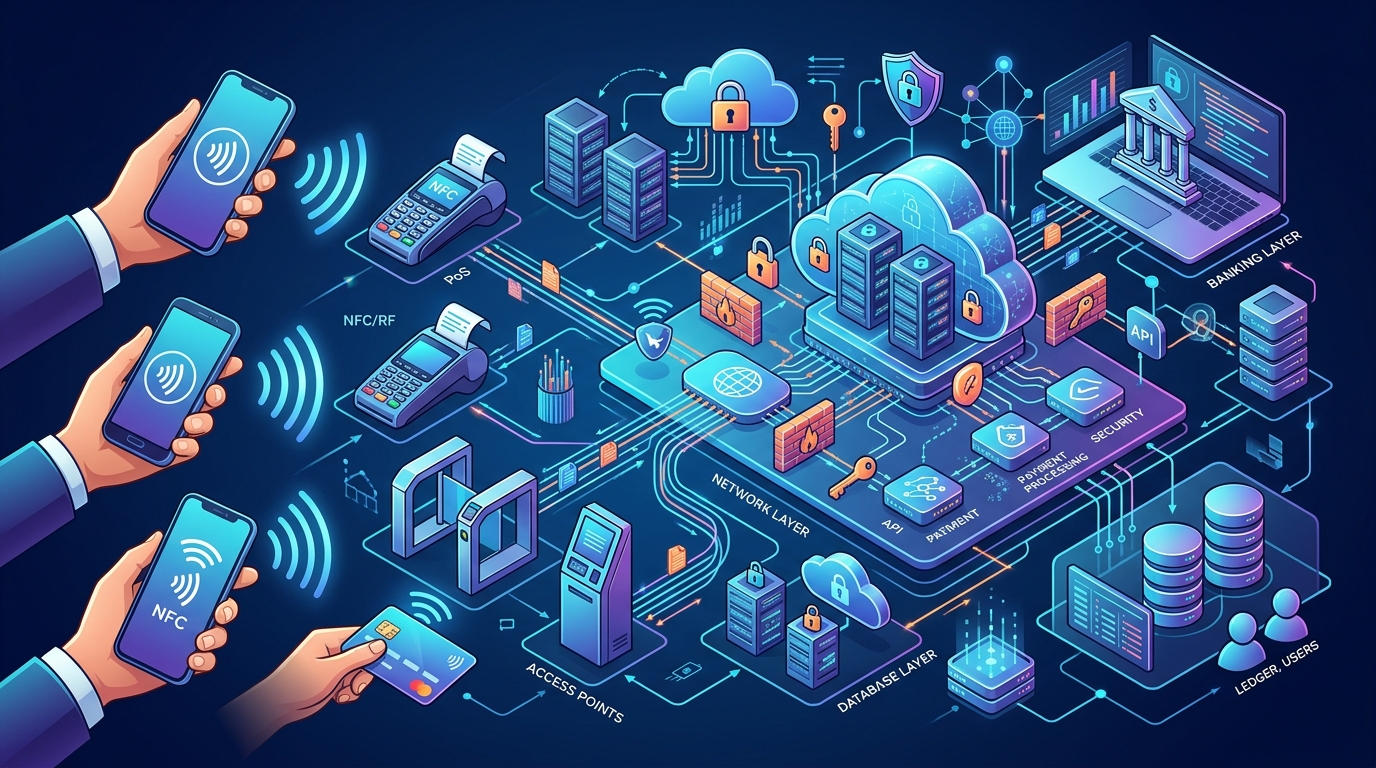
To get why this matters so much, you have to look under the hood. We aren't just talking about standalone gadgets here; these are sophisticated, interconnected ecosystems that rely on lightning-fast processing and airtight security.
NFC and RFID: The Foundation
Most "tap-to-pay" setups use Near Field Communication (NFC), which is basically a specialized version of Radio Frequency Identification (RFID). It’s what allows your phone to talk to a terminal from a few centimeters away—powering things like Apple Pay and Google Pay. For those in the AI world, the data from these NFC taps is gold. It reveals spending patterns and geographic habits that are absolutely essential for building high-level predictive models.
QR Codes and Cloud-Native Infrastructure
While NFC is the king of the hill in the West, QR codes have taken over Asia and many emerging markets. A quick scan sends the customer to a cloud-hosted menu or checkout page. This move to the cloud isn't just for show—it allows for things like "dynamic pricing" where costs can change in real-time based on demand. For developers, this means the pressure is on. You've got to be an expert in cloud computing to ensure contactless ordering and payment systems don't crash the moment a lunch rush hits.
Biometrics and Peripheral Sensors
The next big thing? It's your body. We're already seeing palm-scanning and facial recognition payments pop up in major cities. These systems use intense computer vision algorithms to identify you without you needing to carry a phone or a card. It’s a direct link between your biology and your digital wallet—which, as you can imagine, is creating some very specialized roles for AI researchers focused on biometric security.
Regional Perspectives: Turkey, Europe, and Beyond
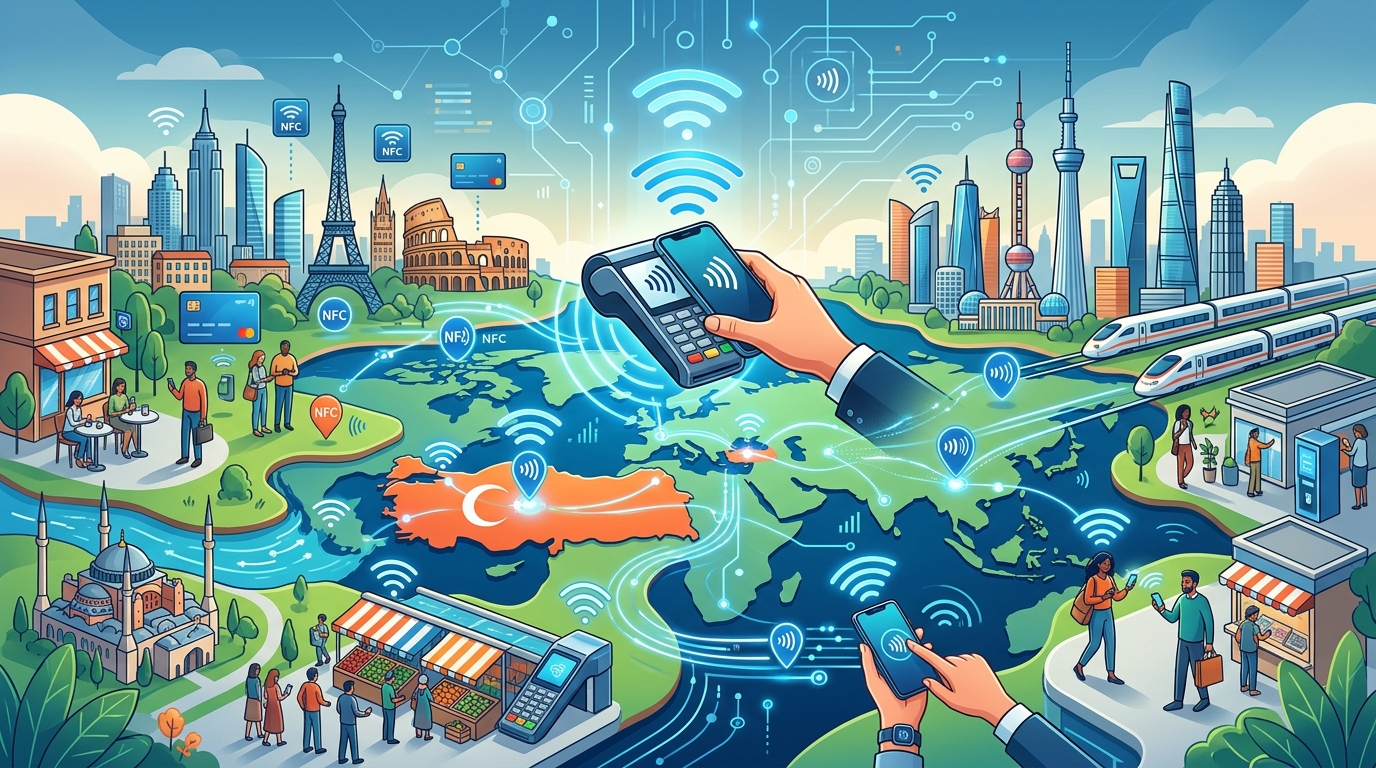
It’s interesting to see how the world isn't adopting these tools at the same speed. Culture, local laws, and existing tech setups all change how contactless solutions land on the ground.
Turkey: A Fintech Powerhouse
Turkey has quietly become a massive player in financial tech. Thanks to a young, tech-hungry population, the country has skipped over old-school banking steps that other nations are still stuck with. In Turkish cities, contactless ordering and payment systems are just part of the furniture—used for everything from the subway to high-end hotels. It’s a perfect "sandbox" for AI engineers to test out new ways to catch fraud or build better loyalty programs.
Europe: The GDPR and Privacy Standard
Over in the EU, the vibe is a bit different. The focus is squarely on privacy and data ownership. Since the GDPR is so strict, any contactless system has to put the user's consent first. This has created a massive niche for GDPR compliance for AI experts. European shoppers are generally more protective of their digital footprint, which is pushing developers to innovate in areas like decentralized identity and "edge" computing (where data is processed on the device rather than the cloud).
Asia: The Super-App Ecosystem
In China and Southeast Asia, the contactless world revolves around "Super-Apps" like WeChat and Alipay. These aren't just apps—they're your social life, your shopping mall, and your ID all in one. For AI pros, the datasets coming out of these platforms are staggering. It’s a glimpse into the future for the rest of us, where your payment method isn't just a card—it's the center of your digital life.
Contactless Systems and the Evolution of Digital Identity
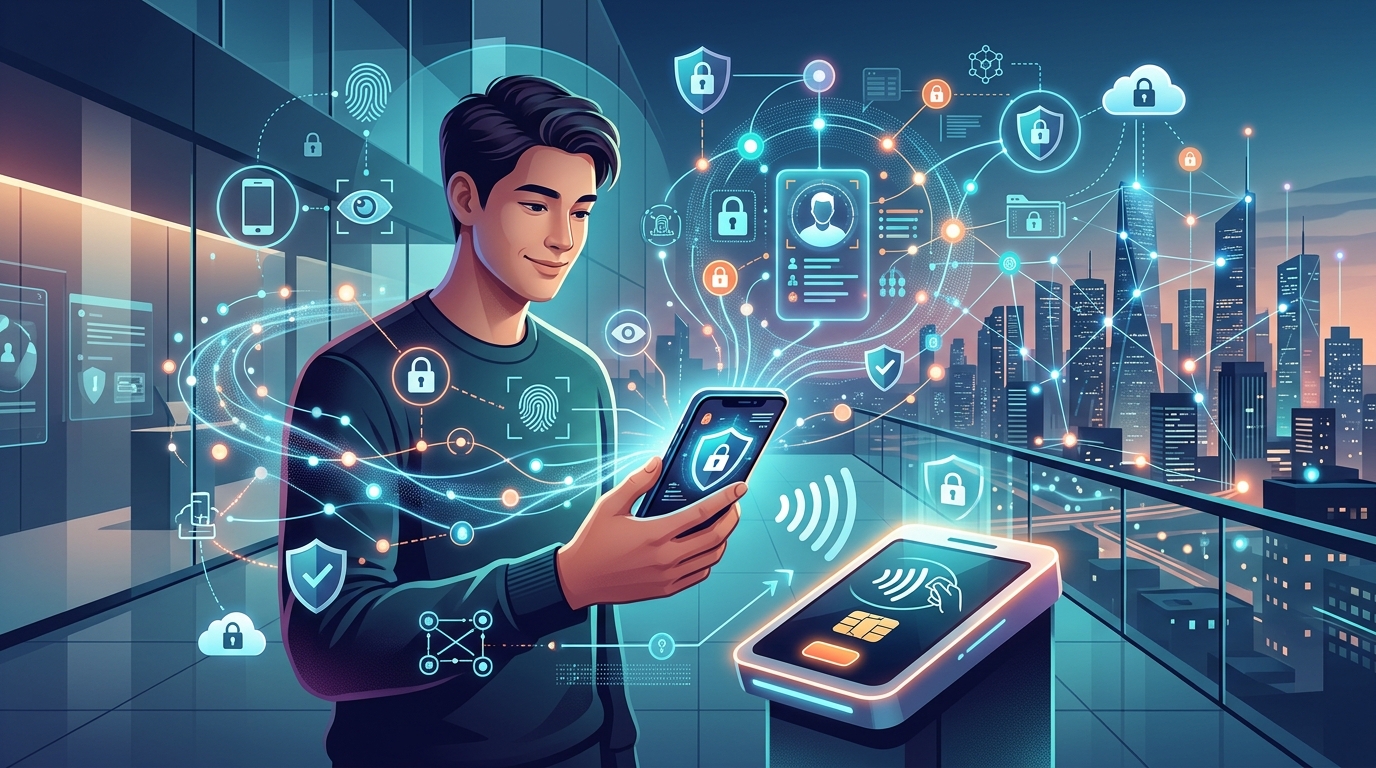
Your digital identity security is now tied directly to how you spend money. Every time you use a contactless interface, you’re adding to a digital profile that banks—and maybe even future employers—might look at. AI systems are already using this info to figure out credit scores or to predict what you’re going to buy next month.
The Rise of Self-Sovereign Identity (SSI)
As people get more nervous about being tracked, we're seeing a push for "Self-Sovereign Identity." This tech lets you prove who you are at a terminal without actually giving away all your personal details. It’s a space where blockchain in fintech is becoming huge. AI's job here is to manage complex encryption keys and spot security threats before they happen, keeping your data both private and usable.
Career Opportunities in the AI and Fintech Sector
The boom in contactless ordering and payment systems is creating jobs that didn't even exist five years ago. If you're looking to get into this field, you'll need a mix of coding skills and an understanding of human ethics.
- Machine Learning Fraud Analysts: You'll be building models that can tell the difference between a real tap and a hacker in a fraction of a second.
- Computer Vision Engineers: These are the folks making "Just Walk Out" stores possible through advanced camera tech.
- User Experience (UX) Architects for VUI: As we start talking to our devices to order food, we need designers who can make voice interfaces work perfectly with payment backends.
- Data Ethics and Bias Officers: A critical role—ensuring that the algorithms deciding who gets credit aren't accidentally discriminating against people.
- Edge Computing Developers: Speed is everything. These developers move the processing power directly to the payment device to make transactions instant.
The Socio-Economic Impact of Contactless Solutions
We can't talk about the tech without looking at the social side. These systems have been a lifeline for small businesses struggling with labor shortages. In a lot of restaurants, a simple QR code on the table lets the staff focus on cooking or hospitality instead of just writing down orders. But there's a catch—the "digital divide." As the world goes contactless, we have to make sure people without traditional bank accounts aren't locked out of the economy. That’s a huge challenge for AI developers: creating tools that work for everyone, regardless of their banking history.
Security and Tokenization in a Touchless World
People always ask: "Is this actually safe?" Surprisingly, it’s usually safer than the old ways. The secret is tokenization. When you tap your phone, you aren't actually sending your card number. You're sending a one-time-use digital "token." If a hacker grabs it, it's useless for anything else. AI takes this a step further by looking at "behavioral biometrics"—basically, it knows how you hold your phone or how fast you type, adding an extra layer of "is this really you?" security.
The Future: 2025 and Ambient Commerce
So, where are we heading? The buzzword is "Ambient Commerce." This is a world where the store just... knows you're there. You walk in, grab a juice, and walk out. Your contactless identity takes care of the bill in the background. Making this work requires an incredible amount of AI, from LIDAR sensors tracking movement to real-time ledger updates. The careers of tomorrow will be all about maintaining these "smart environments" so they stay safe, fast, and—most importantly—respectful of our privacy.
FAQ
Are contactless payments more secure than traditional swiping?
Actually, yes. Old-school swiping sends your real card data, which is easy to steal. Contactless systems use encryption and tokenization, which makes them much harder for criminals to mess with.
How does AI help in contactless ordering?
AI is the brain behind the scenes. It handles the "you might also like" suggestions on digital menus, keeps track of kitchen inventory in real-time, and acts as the security guard that stops fraud before it happens.
Do I need a computer science degree to work in this field?
It helps, but it’s not the only way in. A lot of companies care more about specific certifications in AI, cybersecurity, or fintech. If you know your way around cloud platforms and data, you're in a good spot.
What is the role of 5G in this technology?
Think of 5G as the highway that makes all of this possible. It provides the low-latency connection needed for instant payments and handles the heavy data loads required for things like facial recognition.
Conclusion
The move toward contactless ordering and payment systems isn't just a fad—it's an unstoppable global shift. It's more than just a convenient way to buy a snack; it's the spark for a whole new generation of AI careers and a total rewrite of what "digital identity" means. Whether you're a shopper in Istanbul, a coder in Berlin, or a business owner in Singapore, these systems are going to be a part of your life. As we move toward this touchless future, the marriage of AI and secure payments is going to keep pushing the boundaries of what's possible, hopefully making the world a bit more efficient and secure for all of us.