
How to Use a Dynamic QR Code Generator with Analytics for Your Brand
The way we handle digital identity is shifting faster than most of us can keep up with. When your customers' attention is split between fifty different apps and platforms, you need a way to link the physical world to their phones without any friction. That's where a dynamic QR code generator with analytics comes in—it’s no longer just a "nice-to-have" marketing toy; it’s a core piece of your tech stack. For brands trying to stay agile in competitive spots like Turkey, Europe, or Asia, these tools are the bridge that keeps your messaging relevant. This guide breaks down how dynamic technology actually works, why data-driven insights are a total game-changer, and how to weave these tools into your larger digital identity strategy.
The Fundamental Shift from Static to Dynamic QR Codes
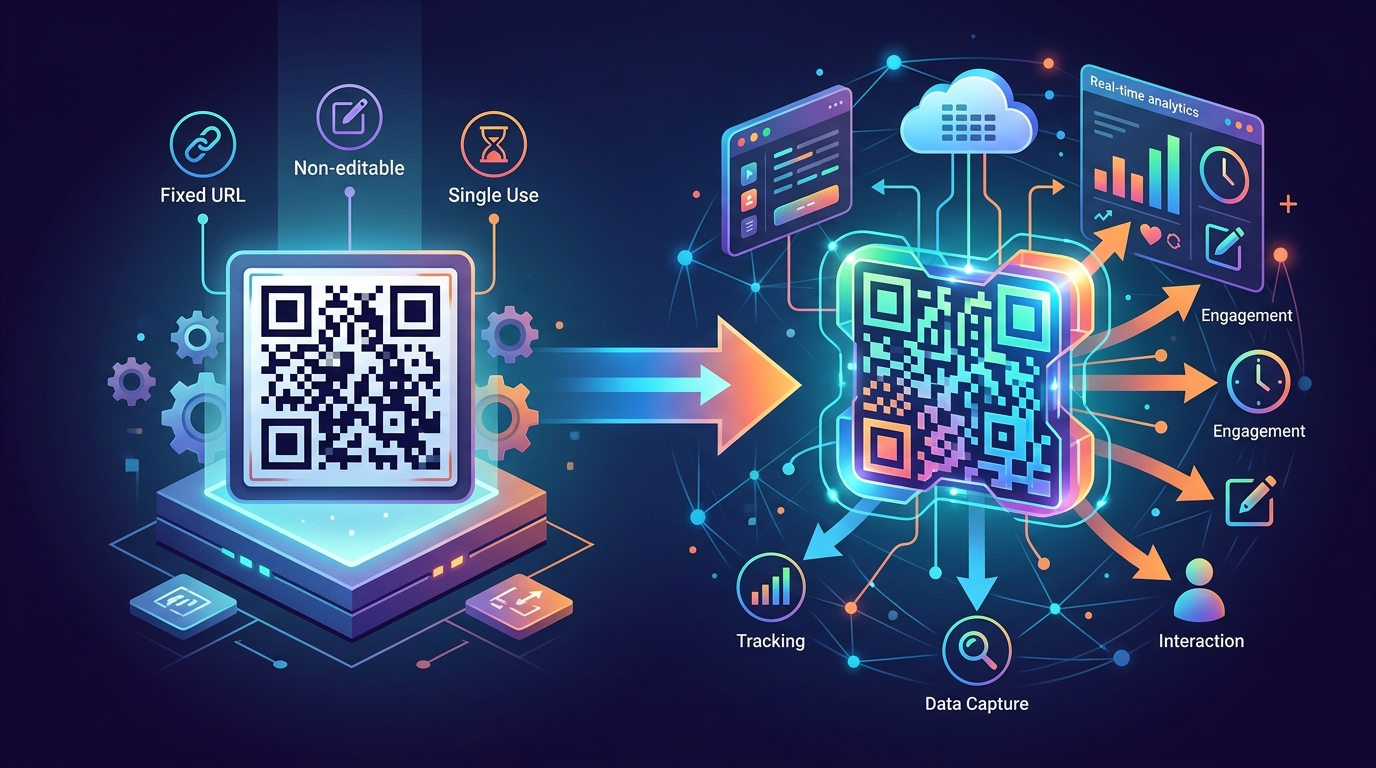
To really appreciate what a modern generator can do, you have to look at what we used to deal with. Static QR codes are basically carved in stone; they bake the information directly into that square pattern. Once you hit print, that URL is permanent. For a long-term campaign, that’s a massive risk. If a link breaks, a page moves, or a promotion expires, every single asset—from a billboard in Istanbul to a stack of business cards in London—becomes a literal dead end. It’s a waste of money and, frankly, a missed opportunity for lead generation.
A dynamic QR code generator fixes this with a clever bit of tech called URL redirection. Instead of storing your final destination, the code holds a short, intermediary link. When someone scans it, they hit a central server for a split second before being zipped off to the right place. This flexible setup means you can swap the destination link whenever you want without ever touching the physical code. But here’s the best part: that redirection layer acts as a data checkpoint, giving you the analytics you need to actually understand your audience.
Essential Features of a Professional Dynamic QR Code Generator
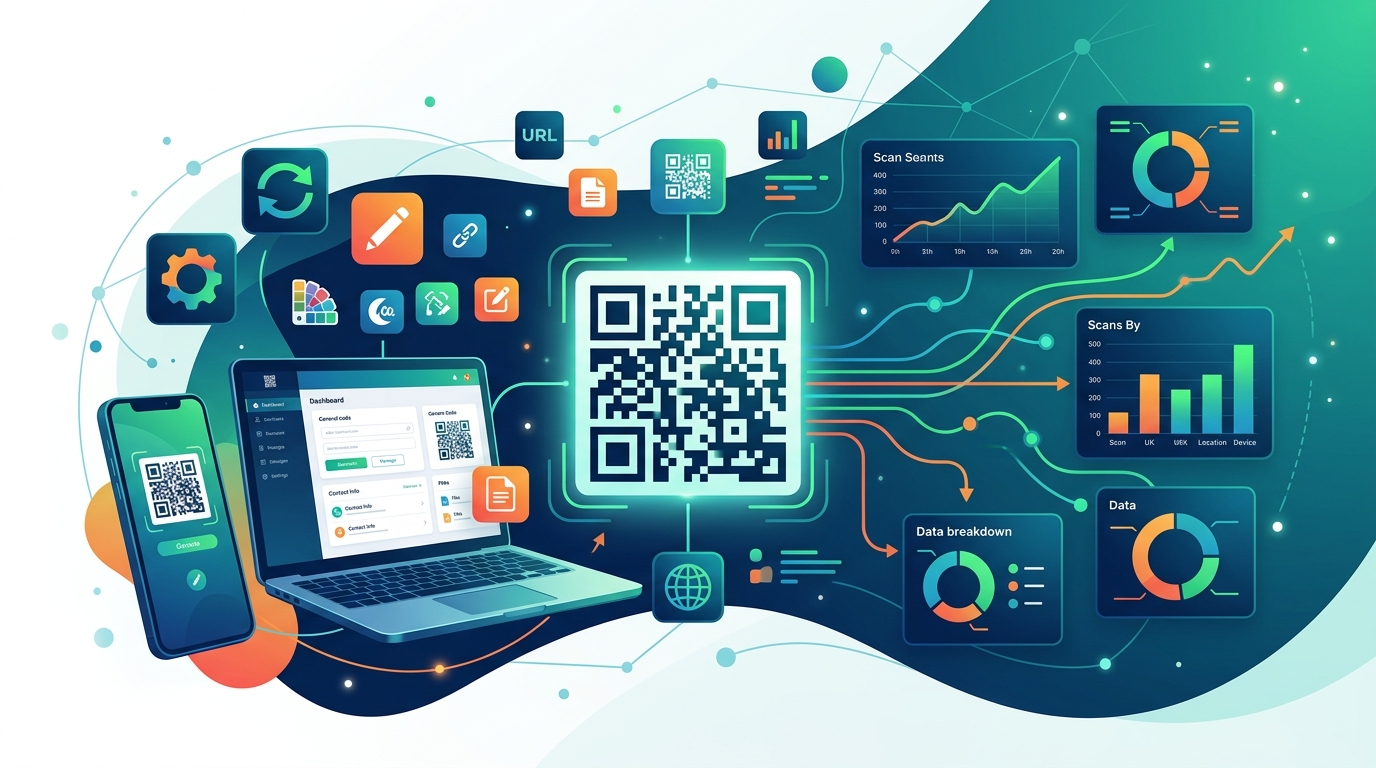
Not all QR tools are built the same. While the free ones might get you from point A to point B, professional-grade platforms offer the kind of security and scale a growing business actually needs. When you're picking a tool, keep an eye out for these three pillars:
1. Real-Time Data and Granular Analytics
The biggest perk of a dynamic system is seeing what’s happening as it happens. You can watch your scan volume climb in real-time, which is huge for gauging the immediate buzz around a product launch or a live event. For global brands, this means you can see how a campaign is landing in different time zones all at once. If a certain region isn’t biting, you don't have to wait weeks for a report—you can tweak your messaging or your call-to-action (CTA) on the fly.
2. Instant Content Management
Being able to edit content in seconds is a massive win for operational efficiency. Think about it: you can switch a menu from breakfast to lunch, update a real estate listing, or swap out a promo video without breaking a sweat. This is especially useful for anyone tracking AI career development. Your certifications and portfolios change fast, and your QR code should be able to keep up. The code on your CV stays the same, but the work it links to grows as you do.
3. Advanced Customization and White-Labeling
In crowded markets across Asia and Europe, brand trust is the whole game. A professional dynamic generator lets you style the code so it actually looks like it belongs to your brand. You can use your corporate colors, pop your logo in the middle, and even customize the "eyes" of the code. Beyond just looking good, white-labeling lets you use your own domain for the link. When people see your brand name in the link preview instead of some random third-party service, they're much more likely to tap through.
The Strategic Value of QR Analytics

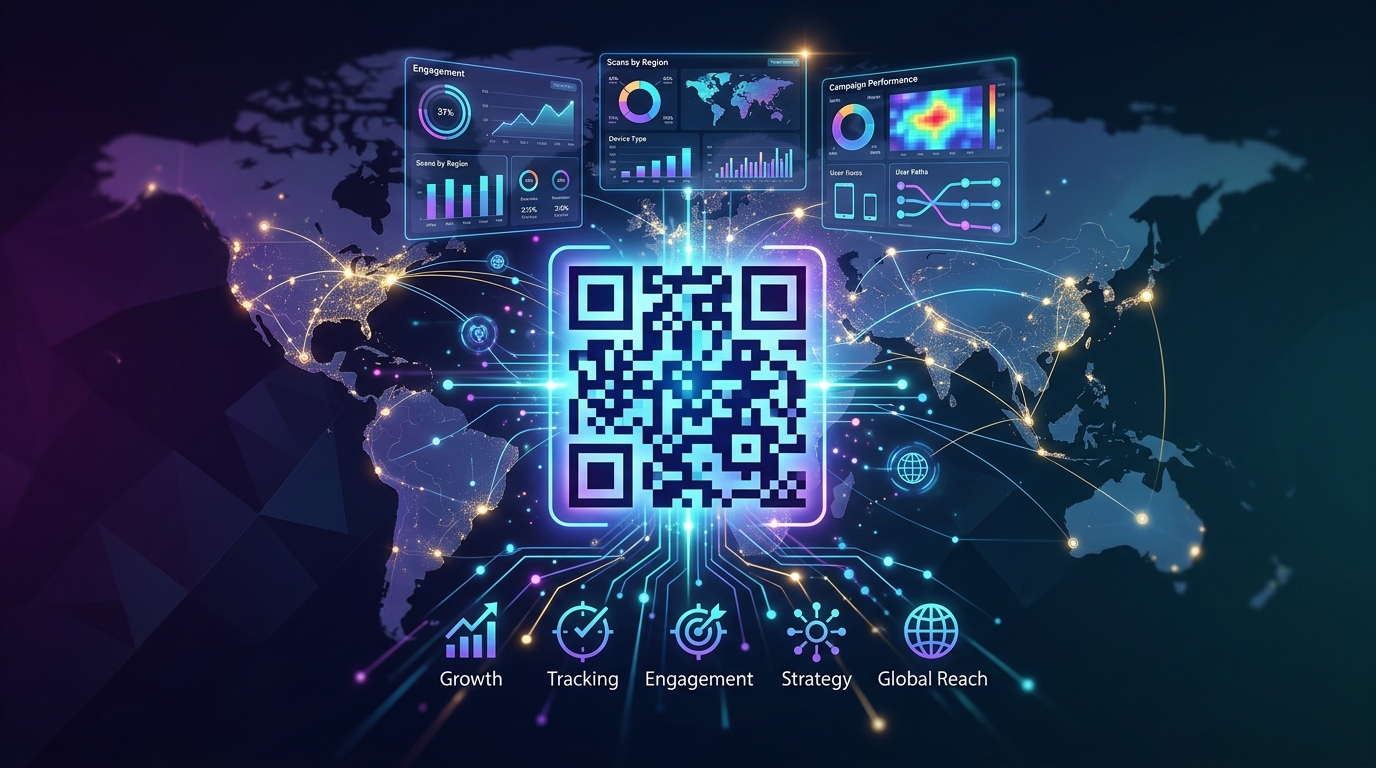
Data is the engine room of modern marketing. When you're using a dynamic QR code generator with analytics, you’re getting way more than a simple scan count; you’re getting a roadmap of consumer behavior. Here’s how to use that data to actually move the needle:
Geographic Distribution
If you're running an international business, you need to know exactly where your fans are. Analytics show you the city and country for every single scan. You might find out that a campaign in Paris is doing double the numbers of one in Berlin, which tells you exactly where to put your ad spend. This kind of "hyper-local" insight lets you tailor your content to the specific cultural vibes of the places that are actually engaging with you.
Device and Operating System Insights
Are your users on the latest iPhones, or are they using budget Android devices? Are they scanning while they're out and about, or sitting on a tablet at home? Knowing the device landscape helps your team optimize the landing page experience. If 90% of your dynamic scans are coming from mobile, that page needs to be lightning-fast and built for thumbs, not mice. This level of marketing automation helps keep your bounce rates low and your conversions high.
Temporal Patterns (Time and Frequency)
Watching when people scan gives you a peek into their daily habits. A restaurant might see a spike on Friday nights, while a B2B firm might see everyone scanning during the Tuesday morning commute. Once you spot these patterns, you can time your biggest updates or "limited time" offers to go live right when your audience is most likely to be looking.
Industry-Specific Use Cases for Dynamic Technology
The beauty of dynamic codes is that they work pretty much everywhere. Here’s how a few different industries are putting them to work:
Retail and E-commerce
Retailers in Turkey (and everywhere else, really) use these codes on packaging to bridge the gap to loyalty programs or "how-to" videos. By digging into the scan data, they can see which products are actually getting people to engage after they've left the store. It’s a goldmine for inventory planning and personalizing future marketing.
Real Estate and Architecture
Agents love dynamic codes for "For Sale" signs. They link them to 3D virtual tours, and because the code is dynamic, they can just update the link to a new house once the current one sells. It saves them a fortune on printing new signs every month.
Events and Conferences
Organizers use dynamic tracking to see how people are moving through a venue. By putting codes at different seminar doors, they can see which sessions are packed in real-time and move staff around to help. Plus, sponsors love getting hard numbers on exactly how many people engaged with their booth.
Optimizing for Maximum Engagement: Best Practices
Just making a code isn't enough; you have to make people want to scan it. First off, make sure it’s big enough—usually at least 2cm x 2cm for small items. Second, keep the contrast high. Black on white is the classic, but as long as the code is significantly darker than the background, you're fine. Third—and this is a big one—always tell them what to do. Use a clear Call to Action (CTA) like "Scan for 20% Off" or "See the Menu." Finally, always, always test your dynamic links on a few different phones before you go live. You want that redirection to feel seamless, not clunky.
The Intersection of AI and QR Technology
The next frontier for dynamic systems is definitely artificial intelligence. We’re heading toward a world where a QR code’s destination can change itself based on AI triggers. Imagine a code that checks the weather in the scanner's city—if it's raining, it shows them umbrellas; if it's sunny, it shows them sunglasses. Getting on board with these dynamic frameworks now is how you future-proof your brand for the next wave of smart marketing.
Frequently Asked Questions
Can I change a static QR code to a dynamic one after printing?
Unfortunately, no. Static codes have the data baked right into the pattern. If you want the flexibility of dynamic features, you have to use a dynamic QR code generator right from the start.
Is user privacy protected in QR analytics?
As long as you’re using a reputable generator, they should be GDPR compliant. They usually track anonymous data—like the city or device type—rather than your personal info. It’s all about finding that balance between marketing data and respecting the user.
Do dynamic QR codes expire?
The code itself won't "expire," but your ability to use the redirection and analytics usually depends on your subscription. Most professional tools are built for the long haul to keep your links active for as long as you need them.
The Bottom Line
A dynamic QR code generator with analytics is way more than just a link to a website—it’s a powerful engine for managing content and gathering data. It gives you the freedom to pivot your strategy in a heartbeat and the brains to understand your customers on a much deeper level. Whether you’re scaling a brand in Asia or navigating a high-tech career in Europe, these tools provide the precision you need to win in a digital-first world. Start using dynamic technology today and turn every physical scan into a measurable insight.