
Securing Your Contactless Ordering System: A Complete Digital Safety Guide
The way we do business is shifting fast. From the busy cafes of Istanbul to corporate centers in Berlin and Singapore, companies are leanng into the contactless ordering system to keep up with what customers actually want. These systems bridge the gap between the physical and digital worlds, letting people order and pay with a quick tap. But as contactless ordering and payment systems become the new standard, they’ve also become a target for more sophisticated cyber threats. This guide is about more than just tech; it’s about how you can harden your infrastructure and keep your customers’ trust intact.
Adopting a contactless ordering system isn't a "nice-to-have" trend anymore—it’s a fundamental part of how modern hospitality and retail work. While efficiency is what gets owners interested, security is what keeps them in business. A single data breach can do more damage to your brand than a bad review ever could. If you want to see the baseline for protection, take a look at our secure features to see the encryption standards we use to keep everything locked down.
The Architecture of a Contactless Ordering System
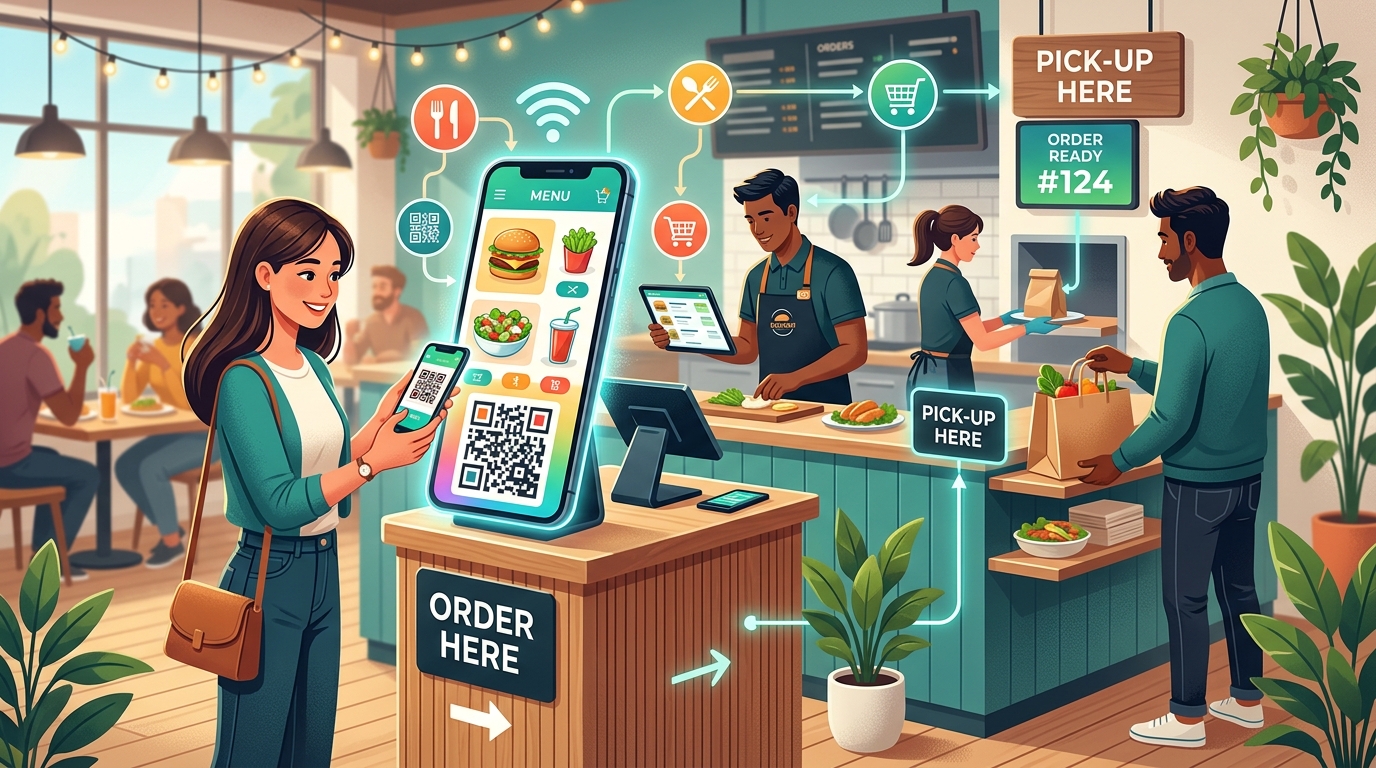
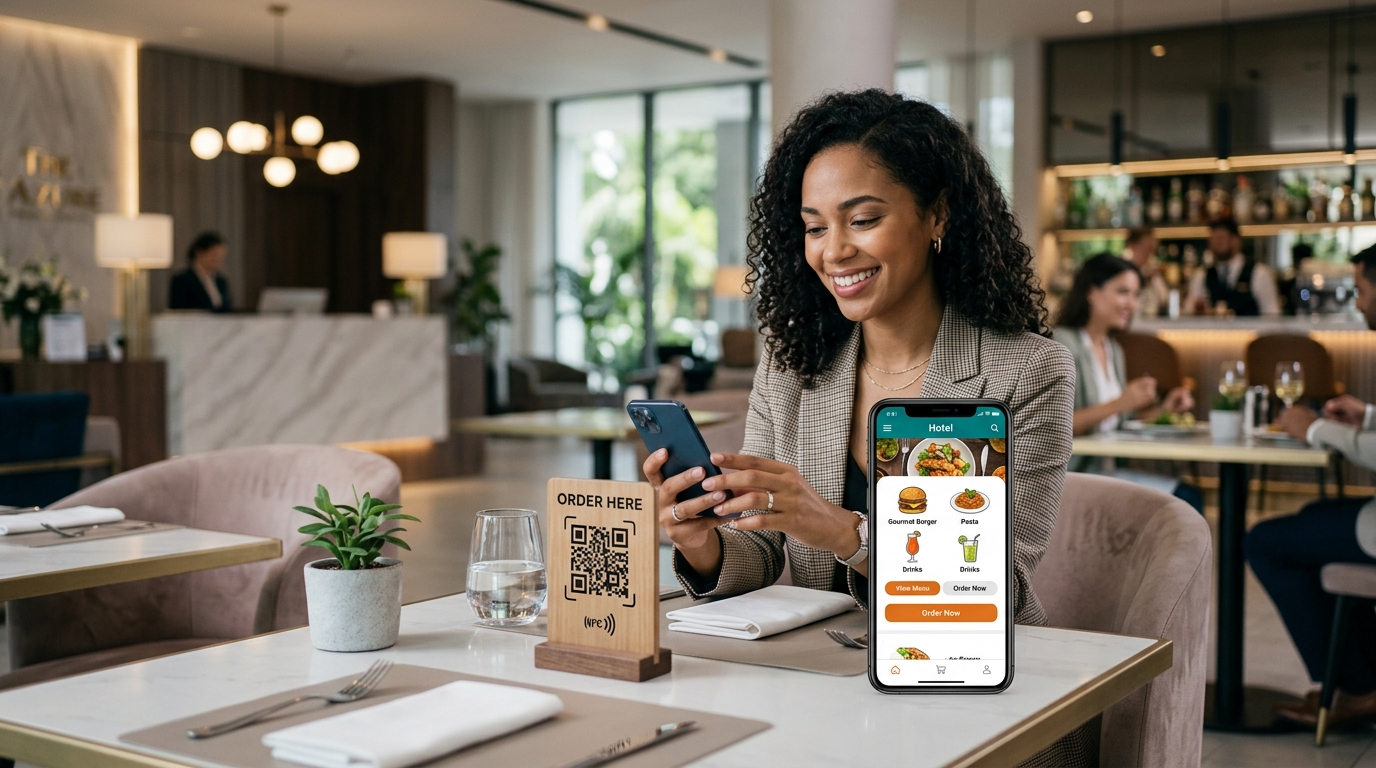
To defend your business, you have to understand the "digital handshake" happening behind the scenes. A contactless ordering system is a multi-layered ecosystem—it's not just a menu on a screen. It involves QR codes, web servers, payment gateways, and cloud storage. Most of the time, the journey starts with a QR code on a table. Once scanned, it sends the user to a digital menu hosted on a secure server.
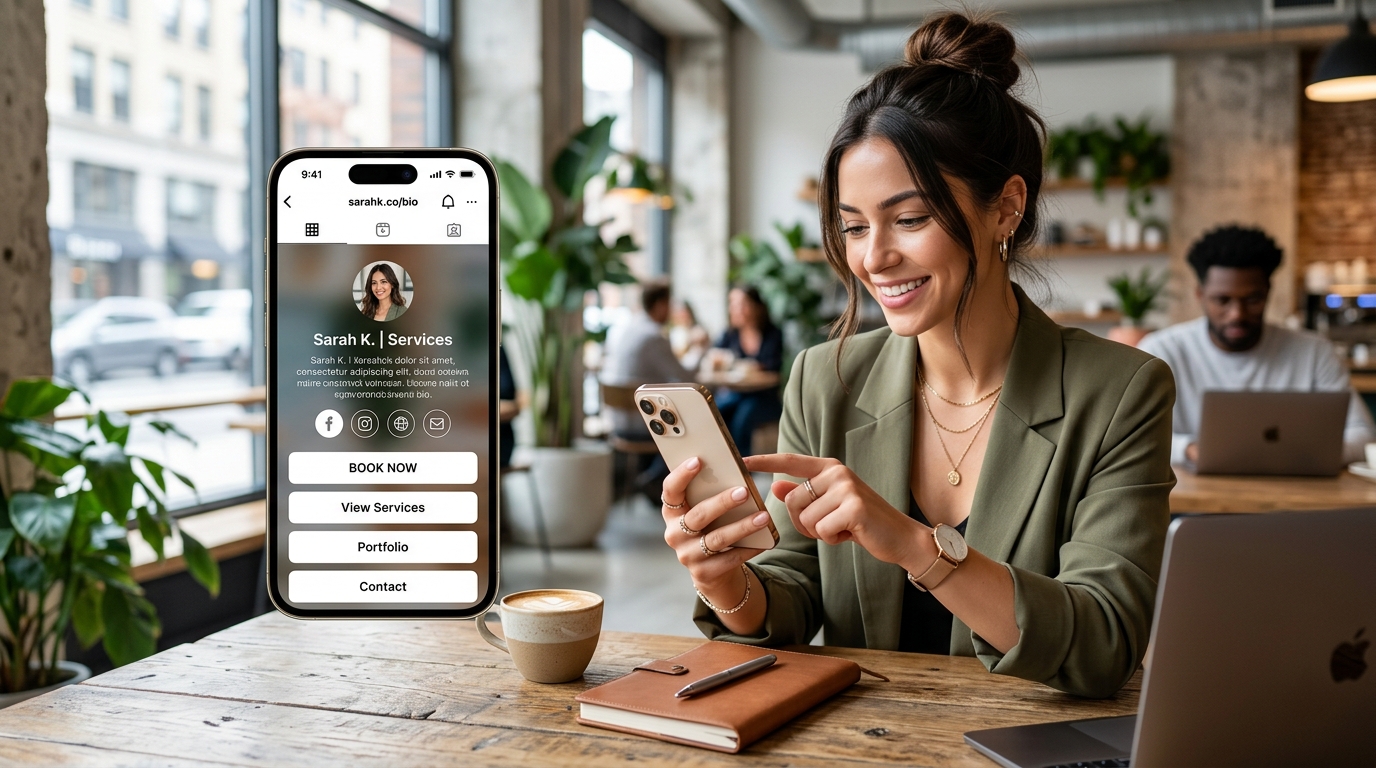
It’s worth noting that the entry point isn’t always a physical sticker on a table. Many brands now use a Link in bio for Instagram to funnel their social media followers straight into their ordering flow. This link essentially acts as your virtual front door. When you use a professional platform like Qret.me, every transition—from that first social media click to the final payment—is protected by modern web protocols, making the experience both seamless and safe for your guests.
Identifying Critical Security Risks
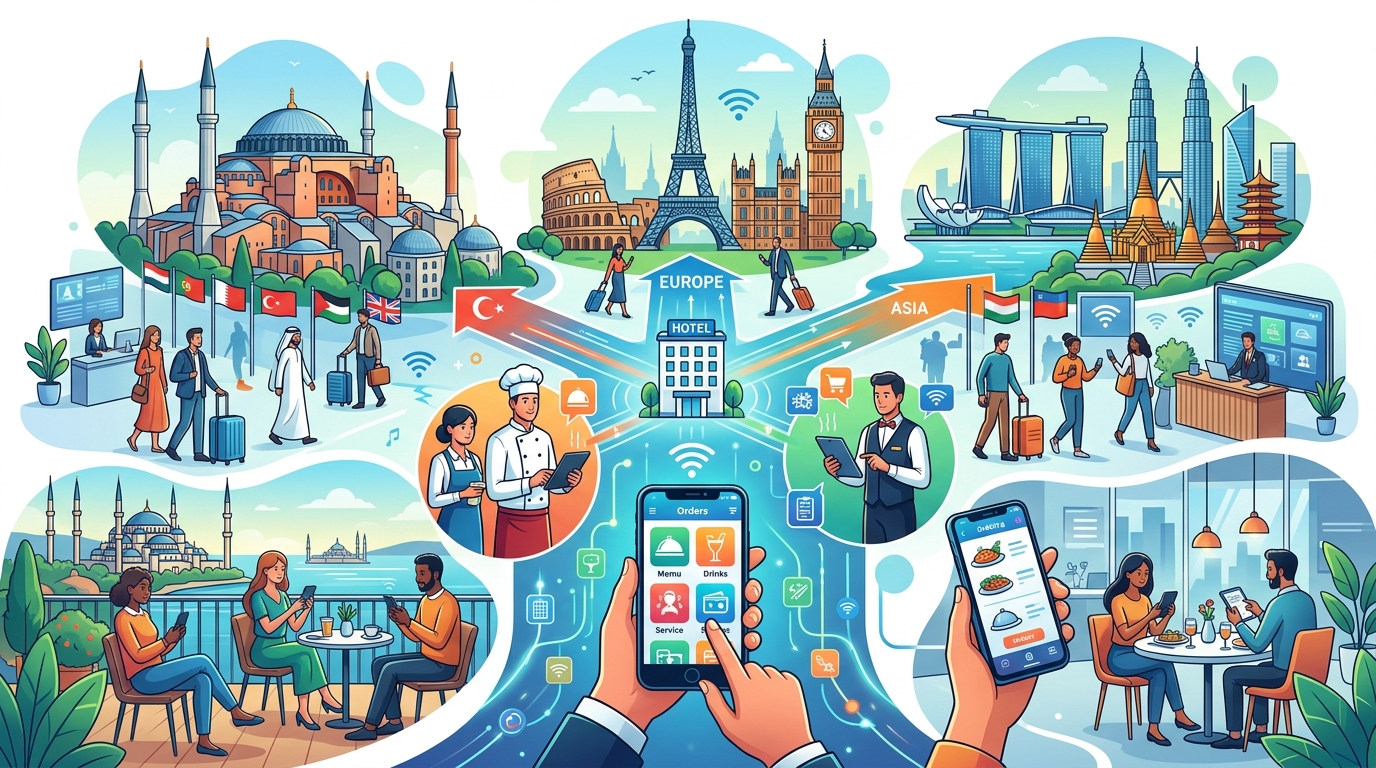
The benefits of these systems are obvious, but you have to stay sharp. Cybercriminals usually look for the path of least resistance, which is often that bridge between the physical world and the digital one.
1. QR Code Tampering and "QRishing"
The most common threat is actually quite low-tech: "QRishing" (QR Phishing). This is when someone places a fake sticker over your real QR code. These decoys lead customers to phishing sites that look exactly like your contactless ordering system, only to harvest their credit card details. This is exactly why a dynamic QR code with analytics is so valuable. It lets you track scan volume and locations; if you suddenly see traffic coming from a weird source, you can kill the link instantly without touching the physical sticker.
2. Man-in-the-Middle (MitM) Attacks
If your contactless ordering system runs on an unsecured Wi-Fi network or lacks proper encryption, hackers can essentially "sniff" the data packets moving between the customer's phone and your kitchen. That’s why end-to-end TLS (Transport Layer Security) isn't optional—it's a requirement. Encryption ensures that even if someone intercepts the transmission, all they see is scrambled code, not your customer's payment info.
3. Regulatory Compliance: GDPR, KVKK, and Beyond
Data privacy is a legal minefield. Whether you’re dealing with Turkey’s KVKK or Europe’s GDPR, your contactless ordering system has to handle personal info with extreme care. Losing customer names or emails doesn't just hurt your reputation; it can lead to massive fines. Security isn't just a tech hurdle—it’s a legal and ethical responsibility for anyone running a business today.
The Strategic Advantage of a Dynamic QR Code with Analytics
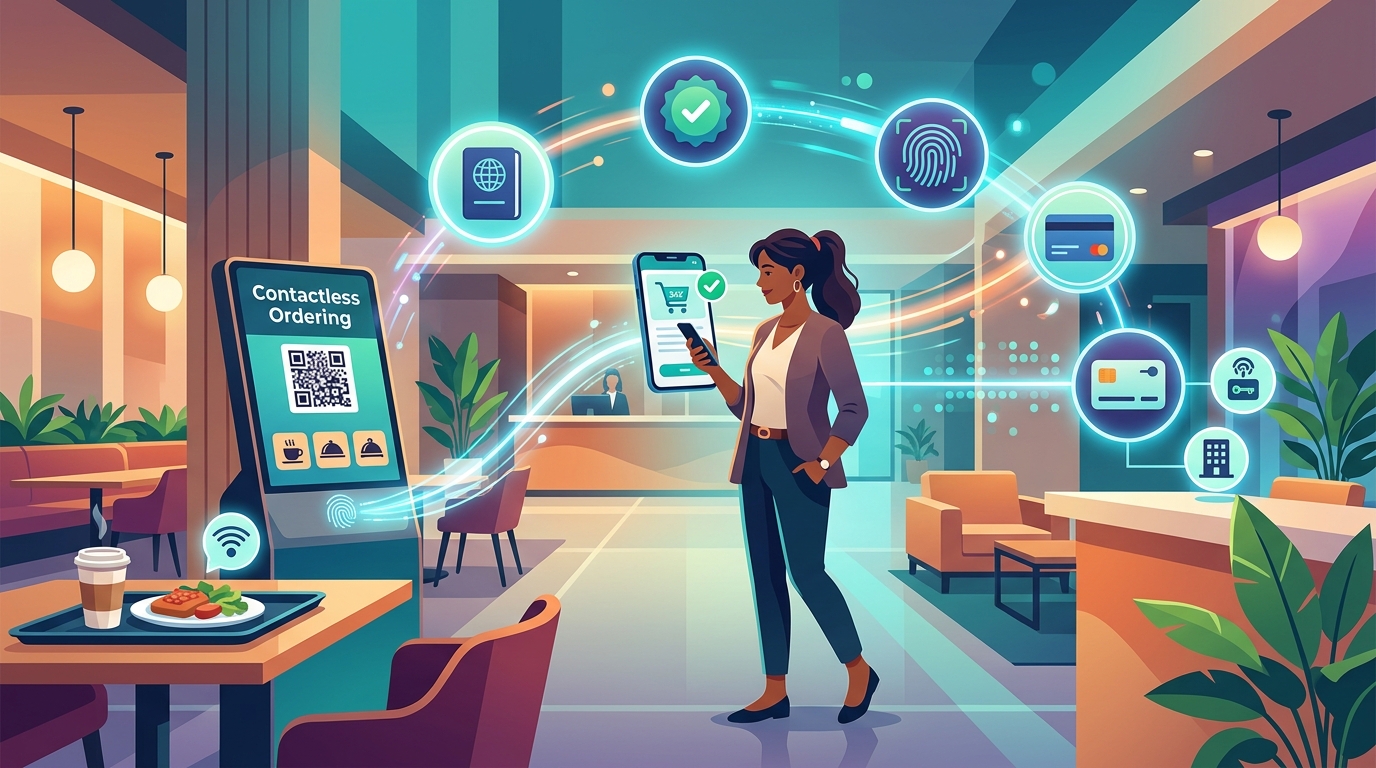
Static QR codes are permanent, which makes them risky. If the URL they point to is compromised, you have to scrape off and replace every single sticker in the building. A dynamic QR code with analytics gives you far more control. You can change the destination URL in real-time from a dashboard. This kind of agility is your best defense when threats evolve.
Think of the analytics as a security camera for your links. By watching scan patterns, you can catch bot attacks or "brute-force" attempts before they do damage. If your contactless ordering system gets 500 scans in a single minute from an IP address halfway across the world, your analytics will flag that anomaly, letting you block the threat before it hits your bottom line.
Securing Social Entry Points and Bio Links
For most lifestyle brands, social media is where the selling happens. Your Link in bio for Instagram is often the very first interaction a customer has with you. If that link is hijacked or uses a cheap shortener, you're sending your customers into a trap. Professional bio link tools offer specific safeguards:
- Link Verification: Confirms the destination matches your actual business domain.
- Rate Limiting: Stops automated bots from overwhelming your bio link page.
- Custom Domains: Helps customers feel safe because they recognize the URL as yours.
When you connect your social media to a secure contactless ordering system, you’re creating a "walled garden" where customers feel safe from the first click to the final order.
Digital Networking and VCard QR Code Security
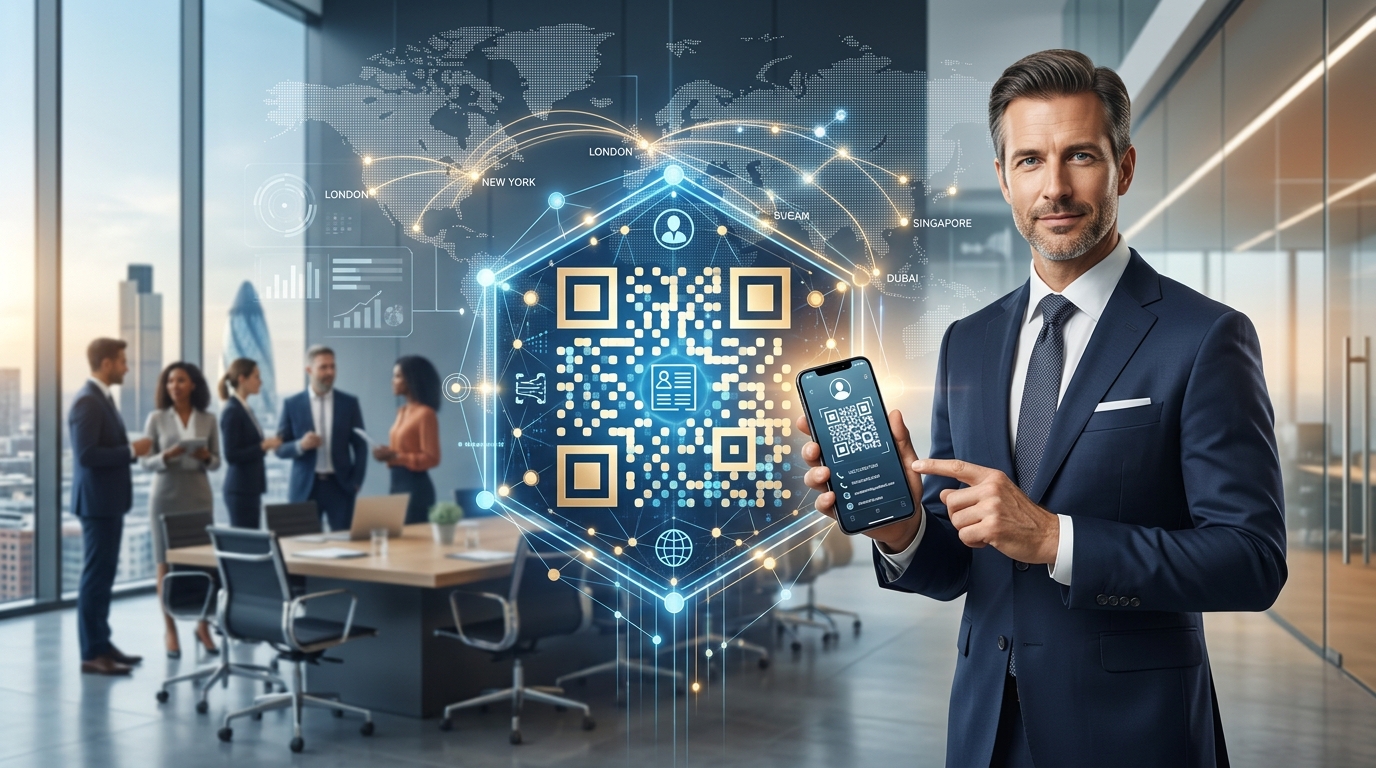
Security isn't just for food and drinks. Freelancers and pros often use a VCard QR code generator to share their contact details. But handing out a digital business card can also lead to data harvesting if you aren't careful. A secure VCard QR code generator lets you password-protect your info or set the link to expire. This keeps your private phone number from ending up in a spam database or the wrong hands.
Best Practices for Maintaining a Secure Ordering Environment
To keep your contactless ordering system safe and sound, you should follow these industry standards:
1. Implement Tokenization for Payments
In the world of contactless ordering and payment systems, tokenization is a lifesaver. It replaces sensitive card data with a random ID (a token). This means your business never actually touches or stores the customer's real credit card number. If your system ever gets breached, the hackers just find a list of useless tokens.
2. Routine Physical Audits
Don't ignore the physical side of things. Train your staff to give the table-top QR codes a quick look every morning. They should be looking for stickers that feel thick or look slightly "off." This simple manual check is still the most effective way to stop QRishing before it starts.
3. Multi-Factor Authentication (MFA)
Your contactless ordering system dashboard is the keys to the castle—it has your menu, pricing, and history. Use Multi-Factor Authentication (MFA) for every staff account. That way, even if a password gets phished, the hacker still can't get in without that secondary code on your phone.
How Qret.me Protects Your Digital Ecosystem
At Qret.me, we take security personally. We provide a managed infrastructure for your contactless ordering system that includes DDoS protection and SSL encryption right out of the box. Whether you're using a dynamic QR code with analytics for a restaurant chain or a simple VCard QR code generator for your personal brand, we build everything on a "zero-trust" security model.
Our ordering solutions are built to be easy for customers but a nightmare for attackers. We even provide an AI Assistant to help you draft terms of service and privacy policies, so you can stay legal without needing a law degree. By picking a professional partner, you can focus on the food while we focus on the digital walls.
Frequently Asked Questions
Is a contactless ordering system actually more secure than a regular POS?
In most cases, yes. Old-school POS systems require customers to hand over their cards, which makes them vulnerable to skimming. A contactless ordering system keeps the device in the customer’s hand and uses encrypted tokens, which is much safer against physical fraud.
What do I do if I think a QR code has been messed with?
If you're using a dynamic QR code with analytics, just log into your Qret.me dashboard and change the destination URL immediately. The old link becomes useless instantly. Then, replace the physical sticker and check your analytics to see if anyone was actually redirected to a suspicious site.
Does using a VCard QR code generator protect my privacy?
Yes—if you use a professional VCard QR code generator like ours. It allows you to edit or hide your info whenever you want. Unlike a printed card, you have total control over who sees your data, even after you've shared the code.
The Future of Security in Contactless Commerce
Looking ahead to 2025, the contactless ordering system will likely lean even harder into biometrics. We expect Apple Pay and Google Pay—using face and fingerprint ID—to become the absolute standard for every transaction. On top of that, AI-driven fraud detection will be able to kill malicious scans in milliseconds. Staying ahead of these shifts by using a platform like Qret.me ensures your business stays a safe place for your customers to spend their money.
Conclusion
Moving to a contactless ordering system is one of the best ways to grow your brand, but you have to do it with a security-first mindset. By using tools like a dynamic QR code with analytics and a secure Link in bio for Instagram, you’re building a business that can handle whatever the digital world throws at it. Don't let the fear of "what if" stop you—just make sure you're using the right tech. For more tips on growing your business, check out our latest blog posts.
Ready to lock things down? Whether you need a simple VCard QR code generator or a full-scale contactless ordering system, we've got you covered. Get started with Qret.me today and build a faster, safer experience for your guests.