
The Complete Guide to QR Code Generators: Free vs. Paid in 2026
By 2026, the way we bridge the physical and digital worlds has completely transformed. What used to be a simple shortcut—the humble QR code—is now a sophisticated entry point for brand identity, secure payments, and automated business workflows. Whether you're running a boutique in Istanbul, managing a marketing team in London, or building your own brand in New York, your choice of a QR code generator isn't just a tech detail; it's a foundation for how you interact with customers. In a world where AI-driven personalization is the norm, knowing the difference between a basic free tool and a professional platform isn't just a "nice to have"—it's a survival strategy for the modern market.
The Evolution of QR Technology
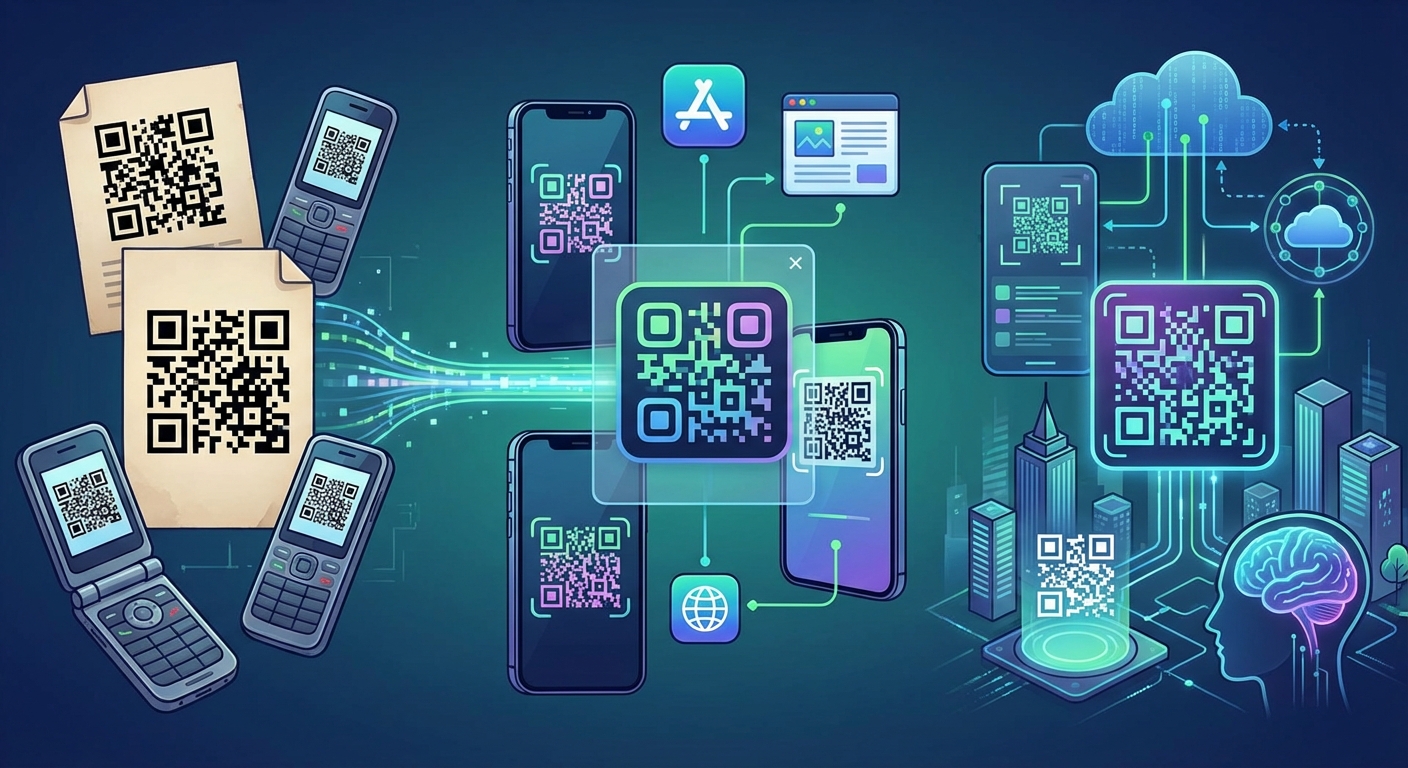
QR codes aren't just pixelated squares anymore. In 2026, they serve as the "Digital Twin" for your products. Consumers today expect speed, but they also want an experience that feels secure and visually integrated. This shift has pushed developers to think beyond static images. A modern QR code generator now uses AI to weave codes into high-end designs that actually look good, rather than just being a functional eyesore. We're also seeing Augmented Reality (AR) become a standard part of the scan; imagine a customer scanning a product and seeing a 3D tutorial pop up right on their screen. If you're working at a professional level, you need a QR code generator that won't buckle under high traffic. If your link fails during a major campaign, that's not just a technical glitch—it's a massive hit to your brand's reputation.
Free QR Code Generators: The Pros and Cons
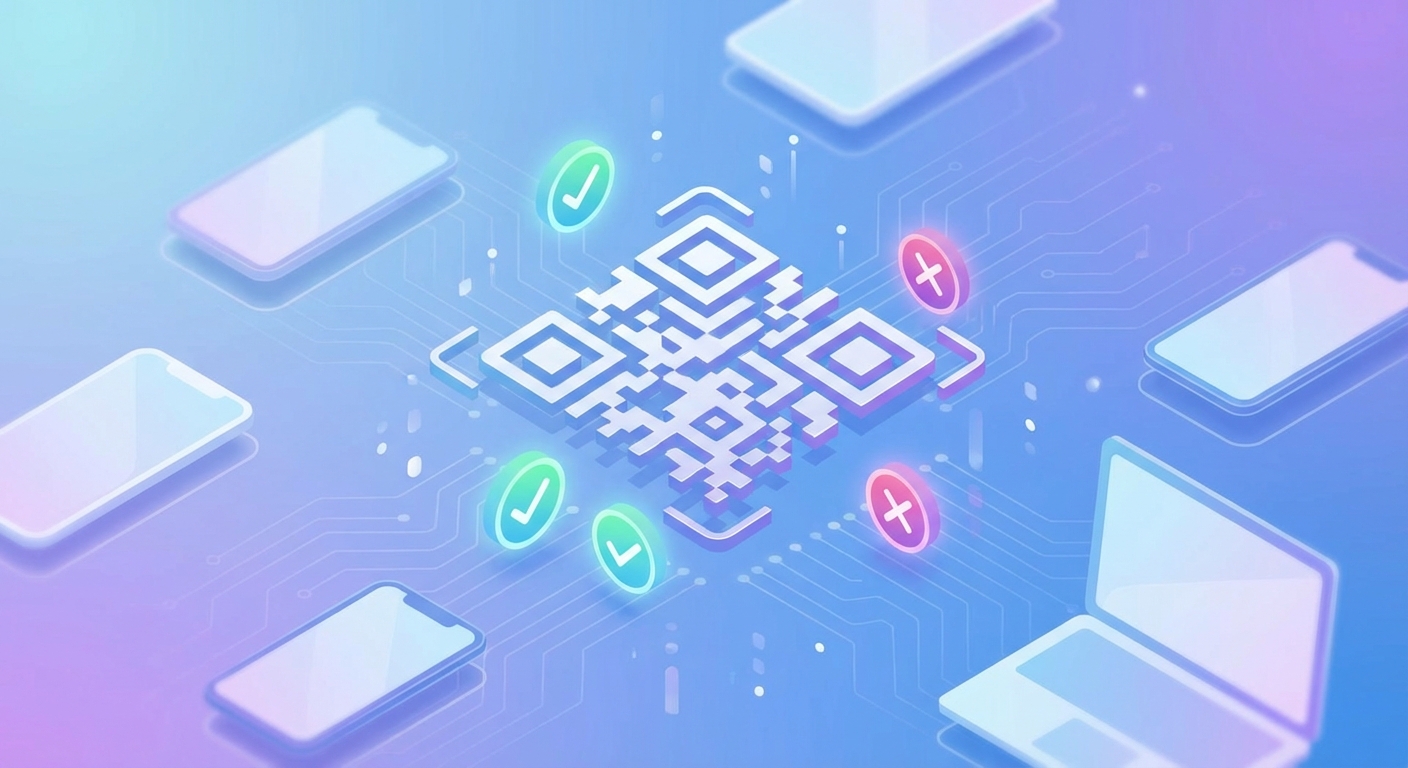
Let’s be honest: the "free" price tag is always tempting. If you're a student sharing a portfolio or a homeowner setting up a Wi-Fi guest pass, a free QR code generator works just fine. But for a business, those "hidden costs" start to pile up fast. Most free tools only give you static codes. Think of a static code as something etched in stone—if your URL changes or you want to swap out a promotion, that printed code is officially dead weight. You'll end up reprinting business cards, menus, and signs, which isn't exactly budget-friendly. Plus, many free platforms slap their own ads on your links, which—to put it bluntly—makes your business look amateur. If you're planning to grow, it’s worth looking at professional QR code solutions that offer the flexibility you'll eventually need.
Paid Solutions: Unlocking Dynamic Potential

Switching to a premium QR code generator is all about getting "Dynamic." Unlike their static cousins, dynamic codes use a redirect URL. This means you can update the destination link as many times as you want without ever touching the physical code you already printed. For anyone using digital marketing tools, this kind of agility is a lifesaver. Paid tiers also usually let you play with the aesthetics—brand colors, custom shapes, and logos are all on the table. In 2026, the best generators even use generative AI to turn a code into a piece of digital art, which can bump up scan rates by nearly 40%. You also get "Custom Domains," so your links look like qr.yourbrand.com instead of some random string of characters. It builds trust, and trust leads to clicks. You can see how these features stack up by checking out our pricing plans.
Dynamic QR Code with Analytics: The Power of Data
Data is everything in 2026. Using a Dynamic QR code with analytics is basically like having a high-tech surveillance system for your marketing. When you use a pro-grade QR code generator, every scan gives you a story: when it happened, where it happened (down to the neighborhood), and what kind of device was used. Why should you care? Imagine a retailer in Istanbul running ads across the city. By assigning unique dynamic codes to different areas, they can see exactly which subway station or mall is actually driving traffic. If Besiktas is lagging behind, they can instantly swap the digital offer for that specific location without ever leaving the office. This kind of control is what separates the pros from the people just guessing.
Digital Marketing Tools Integration
No software should be an island. Your QR code generator needs to play nice with your existing digital marketing tools—think CRMs like Salesforce or HubSpot, your email platforms, and Google Analytics. By 2026, "Retargeting Pixels" have become the industry standard. This means if someone scans your code at a trade show, they’re automatically added to your social media ad audience so you can follow up with them later. It’s a seamless way to move someone from a physical interaction into a digital funnel. And don't forget the landing page—speed is king. Many pros use an Image Resizer to make sure those high-res assets load instantly on a phone, because nobody waits more than two seconds for a page to load anymore.
Link in Bio for Instagram: The 2026 Standard
Instagram is still the place to be for visual brands, but that "one link" limit is still a headache. The Link in bio for Instagram has evolved from a boring list of links into a miniature, high-conversion landing page. The best QR code generator platforms now have these builders built right in. They feature video players, WhatsApp buttons, and even checkout options. When someone scans a code on your packaging, they shouldn't just land on your homepage; they should land on a custom Bio Link Page that feels like a continuation of your brand. It’s all about making that leap from a physical box to a digital community feel effortless.
Contactless Ordering System for Modern Hospitality
If you're in hospitality, you've seen the shift firsthand. A contactless ordering system isn't just a PDF of a menu anymore—it’s the engine of the restaurant. With a solid QR code generator, you can have menus that update in real-time based on what’s actually in the kitchen. If you sell out of the steak, it vanishes from the digital menu instantly, saving your servers from having to apologize later. By 2026, these systems are often paired with AI assistants that handle questions about wine pairings or allergies. Moving to a Digital Menu doesn't just cut down on printing costs; it actually boosts the average check size because the system can suggest the perfect appetizer or dessert at exactly the right moment.
Security and Compliance in 2026
More QR codes mean more risks—things like "quishing" (QR phishing) are a real concern now. A free QR code generator usually won't have the muscle to protect your users from link hijacking. Professional platforms in 2026 lean heavily on security: SSL encryption, password-protected links, and multi-factor authentication are the baseline. For anyone doing business in Europe, GDPR isn't a suggestion—it’s the law. Paid generators make sure data is anonymized and stored safely, which keeps you out of legal hot water. When you're picking a tool, make sure it offers automated malware scanning. You don't want your brand associated with a "Dangerous Site" warning on a customer's phone.
Regional Trends: Turkey, Europe, and Asia
The use of the QR code generator looks a little different depending on where you are. In Turkey, there's a huge push toward digitalizing traditional shops, often backed by government initiatives for tax and licensing. Over in Europe, the focus is squarely on privacy and "Farm to Fork" traceability—people want to scan a steak and see exactly which farm it came from. Meanwhile, in Asia, QR codes have pretty much killed the credit card for daily purchases. But regardless of the geography, the trend is clear: businesses are moving away from shaky, free tools and toward professional systems. A broken QR code is basically a locked front door; it stops business in its tracks.
Choosing the Right Platform: Qret.me Advantage
There are a million places to find a QR code generator, but very few actually offer a full-scale AI ecosystem. That’s where Qret.me comes in. We designed it to be the central hub for your business. Instead of just spitting out a code, Qret.me pulls your digital marketing tools into one dashboard. You can use an AI Assistant for customer service, build a high-performing Link in bio for Instagram, and run a complete contactless ordering system for your physical locations. By bundling these together, you aren't just saving money on subscriptions—you're making sure all your data lives in one place. It’s not just about the square; it’s about the brains behind it.
Conclusion
Looking at 2026, the gap between "good enough" and "professional" has never been wider. While a free QR code generator might work for a quick one-off project, it simply can't carry the weight of a serious brand. Investing in a platform that offers a Dynamic QR code with analytics, tight security, and integration with your other digital marketing tools is exactly that—an investment. Whether you're refining your Link in bio for Instagram or overhauling your contactless ordering system, you need tools that are as ambitious as you are. Every scan is a chance to connect with a customer—don't waste it on a broken or generic experience.
FAQ
What is the biggest risk of using a free QR code generator?
It's mostly about the lack of control. Most free tools create static codes that you can't edit. If your link breaks or you change your website, you're stuck with useless printed materials. There's also a higher risk of security issues like phishing.
How can a Dynamic QR code with analytics improve my ROI?
It takes the guesswork out of marketing. By seeing exactly which ads or locations are getting scans, you can stop spending money on the stuff that isn't working and put it toward the stuff that is.
Can I use a QR code generator for my social media profiles?
Definitely. Using one for a Link in bio for Instagram or TikTok is standard practice now. You can put a single code on a flyer that leads to a mobile page with all your links and store info.
Is a contactless ordering system difficult to set up?
Not if you have the right platform. Tools like Qret.me make it pretty simple to build a Digital Menu. You upload your items, and the system handles the heavy lifting, including generating codes for each table.
Do QR codes work for offline tracking?
Yes, they’re actually the best tool for it. By putting different codes on different physical spots—like a billboard vs. a magazine—you can track exactly which one is driving your digital traffic.
Ready to see what your brand can really do? Try Qret.me for free today and see how our AI-powered ecosystem can sharpen your digital strategy.