


Best Link in Bio Tools for Coaches and Consultants in 2026: The Definitive Guide
For modern coaches, consultants, and independent service providers, your social media bio link is no longer just a digital directory. In 2026, it is the front door to your business. It is where passive followers convert into high-ticket clients, book discovery sessions, and purchase digital assets.
The best link in bio tool for coaches and consultants in 2026 is one that combines native appointment booking, conversational lead qualification, and secure asset delivery. While traditional tools like Linktree act as static link trees, modern platforms like Qret.me leverage interactive AI layers to automate client onboarding 24/7.
Key Takeaways
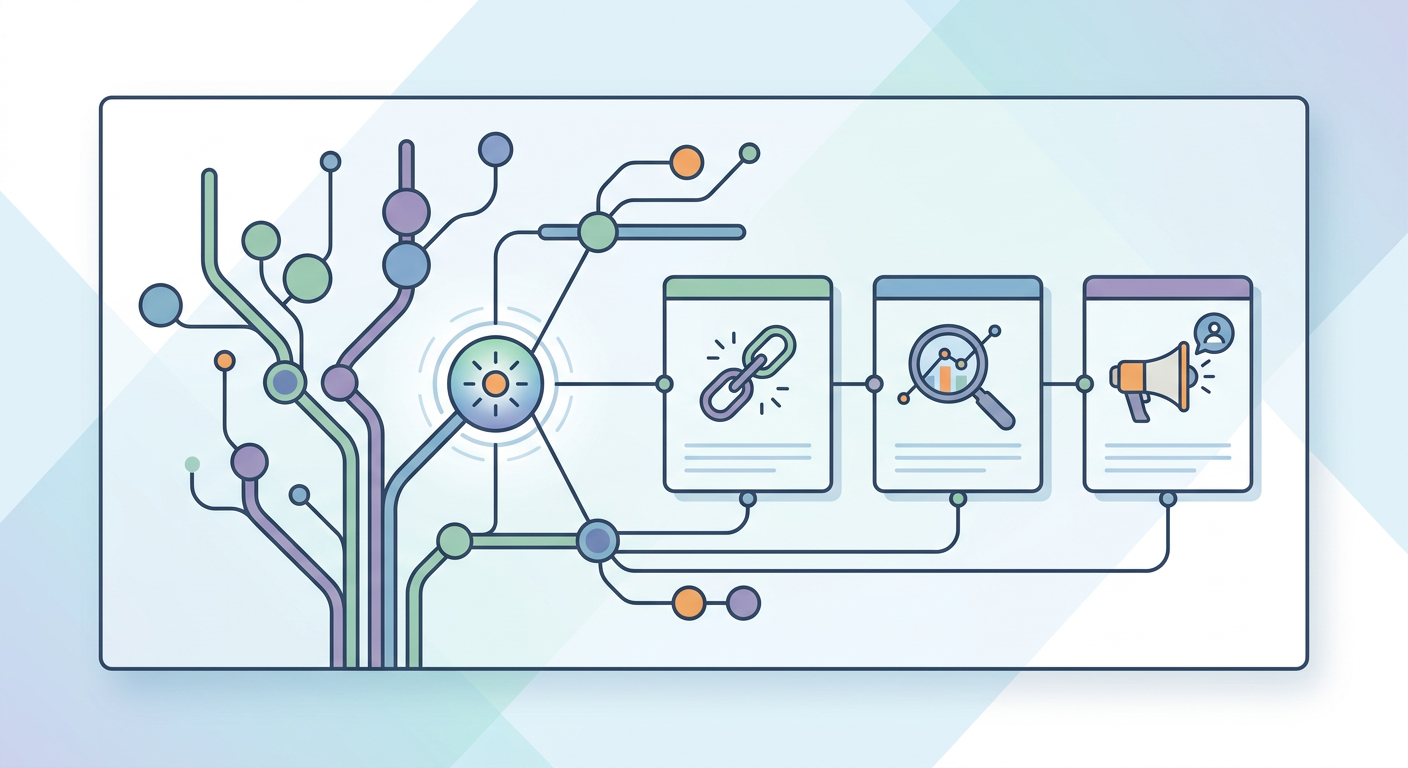
- Service Delivery Over Link Lists: Coaches do not need link directories; they need booking systems, interactive digital storefronts, and structured lead capture forms.
- The Rise of Conversational Layers: Static links convert at less than 5%, whereas interactive bio pages featuring an AI "Digital Twin" convert cold traffic at up to 18%.
- Consolidation is Vital: Using separate tools for links, bookings, file hosting, and invoicing wastes hundreds of dollars monthly and introduces friction for potential clients.
The Strategic Pivot: Why Coaches Need More Than a Basic "Link Tree"
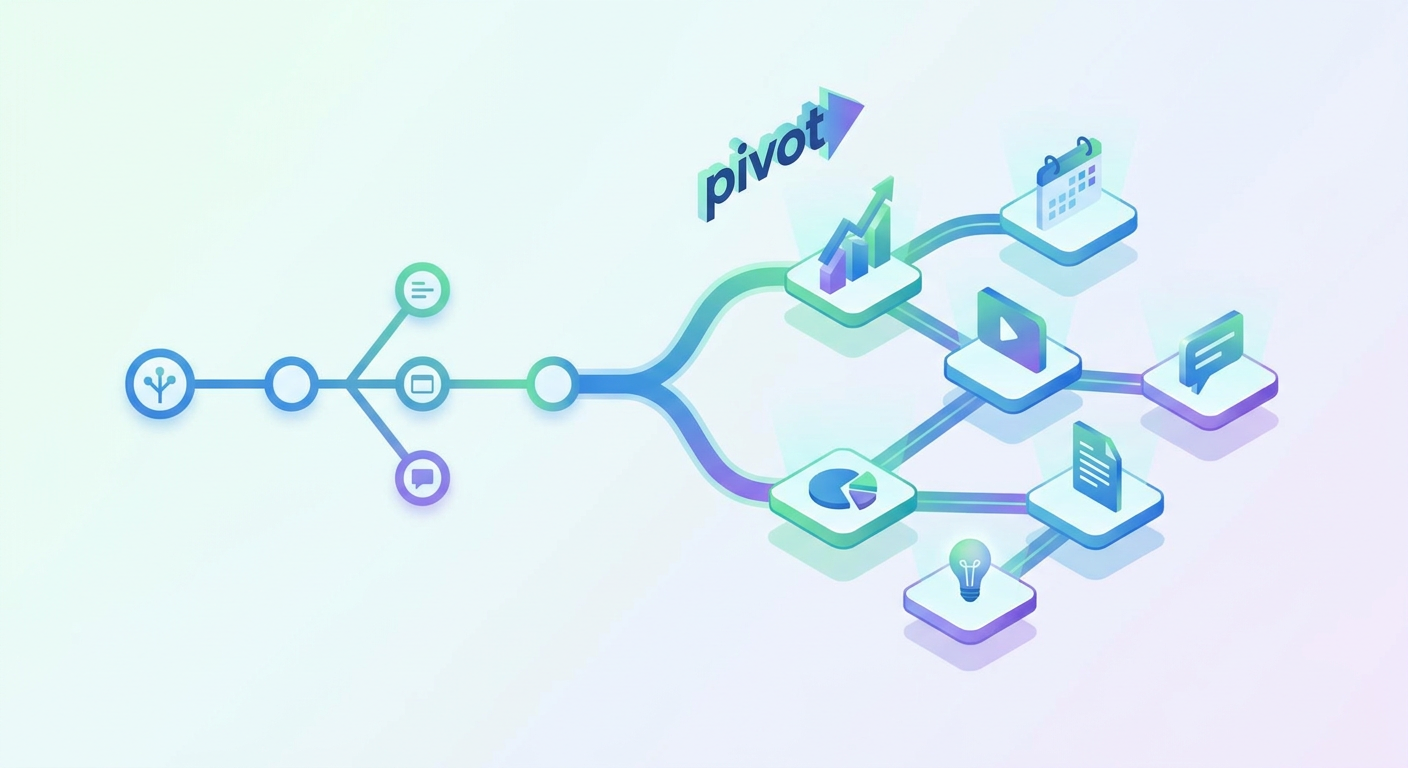
For years, service professionals relied on basic link aggregators to list their website, latest blog post, and YouTube channel. However, data from Statista highlights a major shift in consumer behavior: mobile users expect immediate, self-service solutions without leaving the app they are currently using.
When a prospect clicks the link in your Instagram or LinkedIn bio, they are at peak interest. Force them to navigate an external, slow-loading website with multiple pages, and your conversion rate drops. According to recent industry benchmarks, standard multi-link landing pages convert traffic to booking pages at a modest 3% to 5% rate.
Coaches and consultants require specialized tools because their business model relies on trust and rapid qualification. A high-ticket consultant cannot afford to waste time in back-and-forth email chains scheduling discovery calls. Your bio link page must actively sell your expertise, qualify leads, capture email addresses, and schedule calls automatically.
Furthermore, managing these workflows across different platforms can quickly become overwhelming. This is why many creators seek specialized Linktree alternatives for coaches 2026. By integrating your scheduling software directly into your profile, you can overcome common friction points and improve your onboarding process.
The Evaluation Rubric: How We Tested the Tools
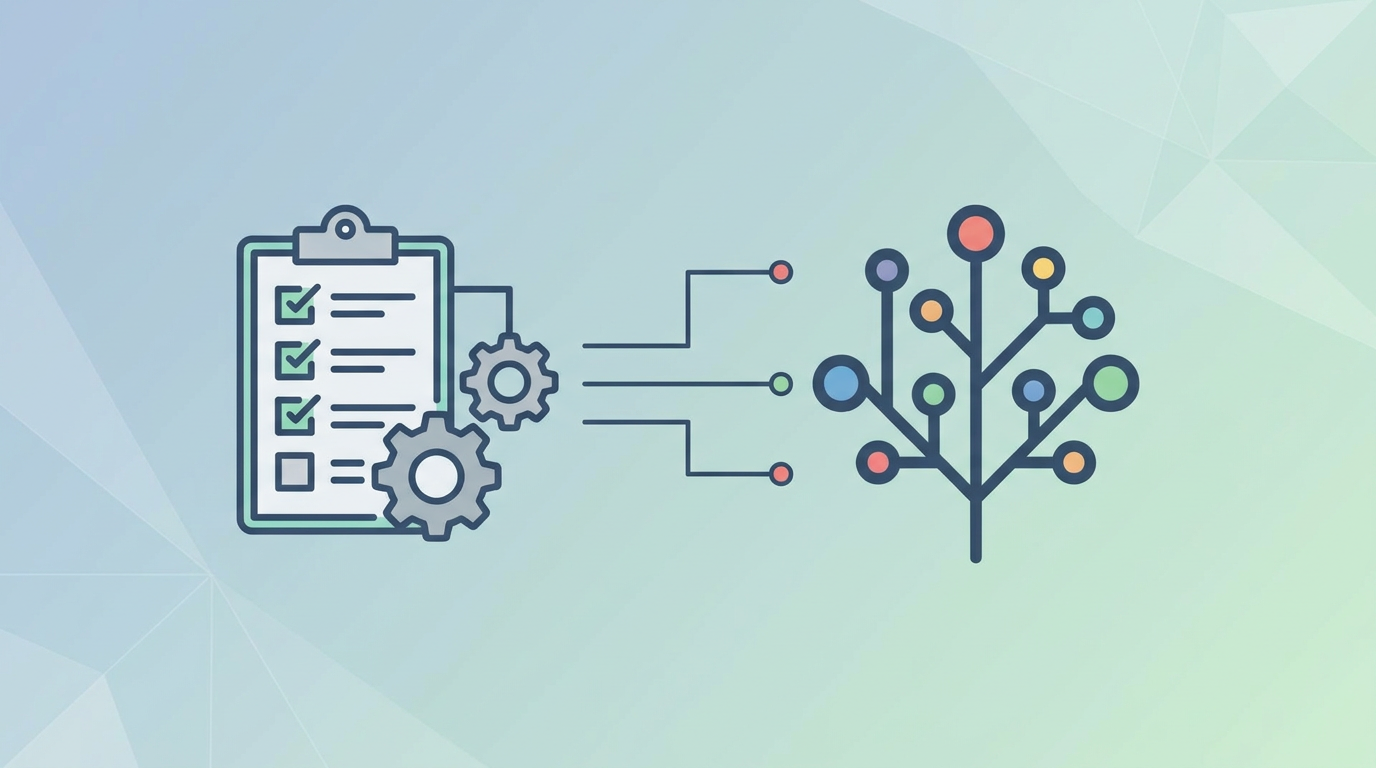
To rank the top link in bio tools for professional service providers, we established a strict evaluation framework. We graded each tool on five critical operational areas:
- Booking & Scheduling Integration: Does the tool support direct, frictionless scheduling, or does it require external redirection?
- Lead Capture & Form Flexibility: How effectively does it collect prospect data, qualify their budget/needs, and sync with email marketing software?
- Digital Commerce Capability: Can you sell digital products (e.g., eBooks, video courses, templates) directly on the page?
- AI Integration & Interactive Automation: Does the platform offer conversational layers to handle client queries when you are offline?
- Pricing & Feature Consolidation: Does the platform replace multiple costly software subscriptions?
Let's look at how the top tools perform against these criteria.
Comparison Table: 2026's Top Link in Bio Tools for Service Businesses
| Platform | Booking Method | Lead Capture | Digital Products | AI Capabilities | Best Suited For |
|---|---|---|---|---|---|
| Qret.me | Native Booking Block | Custom Forms & AI Chats | Integrated Catalogs | Custom Trained AI Agent | Coaches & Consultants |
| Linktree | Embed / External Link | Basic Forms | Basic Paid Links | None Built-in | General Creators |
| Stan Store | Direct Calendar Sync | Standard Forms | Integrated Shop | None | Course Creators |
| Beacons.ai | Embed Widget | Multi-step Forms | Digital Shop | AI Copywriting Tools | Social Influencers |
| Carrd | Manual Widget Embed | Custom Form Integrations | Via Third-Party Widgets | None | Agency Landing Pages |
| Milkshake | External Link Only | External Link Only | Not Supported | None | Casual Bloggers |
In-Depth Reviews of the Best Link in Bio Tools for 2026
1. Qret.me (The AI Digital Twin & Complete Ecosystem)
Qret.me represents a major shift in the link-in-bio landscape. While traditional tools function as static directories, Qret.me is built as an interactive "Digital Twin" for your business. Founded by Siamak Alamdari in Istanbul, Turkey, the platform is designed to consolidate your digital tool stack into a single, cohesive hub.
The core philosophy of Qret.me is to eliminate the need for multiple, expensive subscriptions. Instead of paying separately for a link-in-bio landing page, scheduling software, cloud hosting, dynamic QR codes, and conversational chatbots, Qret.me houses these tools on a single dashboard. This is particularly valuable for coaches and consultants looking to optimize their workflow and reduce software overhead.
A standout feature is the native, custom-trained AI Assistant (Nano Agent). This chatbot is trained directly on your uploaded bio blocks, service offerings, business terms, and custom notes. When a potential client visits your bio page at 2:00 AM asking about your coaching programs, rates, or credentials, your digital twin responds in real-time, in any language. The AI acts as a dedicated 24/7 assistant, answering pre-booking questions and guiding prospects toward your online booking form.
For appointment scheduling, Qret.me's smart scheduling system operates directly within your landing page. Clients can browse your services, select available times, and book consultations without being redirected to external sites. The system integrates smoothly with your bio page via a specialized "Booking Block," complete with automatic calendar syncing and customizable reminders.
Beyond bio links and scheduling, Qret.me provides robust utility tools. Users gain access to secure cloud storage (Identity Vault) with hosting limits ranging from 10MB on the free tier up to 15GB on premium plans. It also features a built-in static site builder to construct full-scale websites directly on top of your bio link structure. This setup allows you to display client testimonials, service features, pricing tiers, and contact forms within a single unified ecosystem.
Additionally, the platform includes a suite of more than 30 free utilities, such as a high-performance Image to WebP Converter and an easy-to-use Image Compressor, helping you optimize your page load times and overall performance with ease.
- Pros: Replaces 5+ software subscriptions; includes a custom-trained AI Agent to qualify leads; native client scheduling; built-in secure cloud storage; 30+ free optimization utilities.
- Cons: The wide array of features can require a brief learning curve for complete beginners.
- Pricing Model: Free forever plan available (includes 1 Bio Link, 1 QR Code, and 100 monthly AI credits). Premium plans scale affordably based on your business needs.
2. Linktree (The Pioneer of Link Aggregation)
Linktree remains one of the most recognizable names in the industry. It excels at its original purpose: providing a simple, reliable way to list multiple links in your social media bio. For creators who simply want to point followers to external blogs, videos, and social profiles, Linktree is a familiar and straightforward choice.
However, for service-based professionals, Linktree's simplicity can highlight clear feature limitations. The platform is built primarily as a static directory. It does not include an interactive, conversational layer, which often leaves visitors to navigate your offers on their own. For more details on these limitations, see our breakdown on Linktree's native feature gaps.
While Linktree has introduced integrations with external platforms like Calendly, booking an appointment often requires redirecting the user to another page. This extra step can introduce friction, which may impact conversion rates for high-ticket consultations. While Linktree is a solid option for general content creators, coaches and consultants may find themselves needing to pair it with other software to manage their full onboarding workflow.
- Pros: Highly recognizable brand name; clean, intuitive user interface; reliable uptime; wide range of standard integrations.
- Cons: Lacks a conversational AI layer; requires external tools for booking and secure file storage; can become expensive as you scale.
- Pricing Model: Offers a basic free tier, with paid plans scaling to unlock advanced customization and analytics.
3. Stan Store (The High-Converting Digital Creator Storefront)
Stan Store has built a strong reputation as an e-commerce-focused link-in-bio tool. It is designed specifically for creators who sell digital products, such as PDF guides, templates, and pre-recorded video courses, directly from their social profiles.
The checkout experience on Stan Store is exceptionally fast, allowing visitors to purchase and download resources in just a few clicks. For coaches offering digital products alongside their services, Stan Store provides a highly optimized sales funnel. It also includes native scheduling options, letting clients book coaching sessions directly on your page.
While Stan Store excels at e-commerce, it may not fit every consulting model. It lacks an interactive, AI-driven assistant to qualify leads or answer complex questions before a purchase or booking. If your consulting business relies heavily on conversational qualification, you may need to handle those conversations manually in your direct messages. Additionally, Stan Store's monthly pricing is higher than many other options, making it most suitable for creators who already have a steady stream of digital product sales.
- Pros: Highly optimized checkout flow; simple digital product delivery; direct calendar booking.
- Cons: Relatively high starting price; limited layout customization; no conversational automation or AI assistant.
- Pricing Model: Paid subscription model with a 14-day trial.
4. Beacons.ai (The Creator Economy Control Center)
Beacons.ai is designed as an all-in-one platform for modern social media influencers and content creators. It combines a link-in-bio builder with email marketing tools, a media kit generator, and basic invoicing capabilities.
For service providers, Beacons offers a variety of blocks to collect email sign-ups, sell digital products, and embed scheduling widgets. It also includes basic AI copywriting assistants to help write bio text and design templates, making it a versatile tool for building your digital brand.
However, because Beacons is designed to serve a broad range of lifestyle influencers and creators, its interface can sometimes feel cluttered for professional consultants. The platform focus is on audience building and brand sponsorships, rather than deep conversational qualification or structured client onboarding. For coaches who prioritize a clean, professional appearance and interactive client booking, a more specialized tool may offer a better fit.
- Pros: Broad feature set for creators; built-in email marketing tools; clean, modern design options.
- Cons: Interface can feel overly complex; less focused on professional service booking; lacks a custom-trained conversational agent.
- Pricing Model: Free tier with basic features, and a monthly subscription to access advanced tools and remove branding.
5. Carrd (The Ultra-Flexible One-Page Website Builder)
Carrd is not a traditional link-in-bio tool, but rather a powerful, lightweight one-page website builder. It is highly regarded for its flexibility, allowing you to design completely custom, fully responsive landing pages from scratch or using beautiful pre-made templates.
For consultants who want complete control over their branding, layout, and design, Carrd is an outstanding choice. You can embed custom contact forms, integrate email newsletter sign-ups, and link your custom domain. Because it is a general website builder, your page can look exactly like a premium, professional site, rather than a simple list of buttons.
The main trade-off with Carrd is that it requires more manual setup. There are no native booking systems or built-in digital stores. To schedule appointments or sell products, you must integrate third-party widgets like Calendly, Stripe, or checkout tools. While it offers excellent design flexibility, you will need to manage and pay for those additional services separately.
- Pros: Exceptional design control; highly affordable; clean, professional look; supports custom domains.
- Cons: No native scheduling or digital product checkout; requires third-party embeds; higher setup time.
- Pricing Model: Highly affordable yearly subscription plans.
6. Milkshake (The Mobile-First Visual Website App)
Milkshake is a mobile app designed to help you build a simple, card-based website directly from your phone. It is popular among visual creators, lifestyle bloggers, and boutique brand owners who want an easy, attractive way to share their story.
Instead of a single vertical list of links, Milkshake uses a "card" system. Visitors can swipe horizontally to view different pages, such as an "About Me" card, a portfolio showcase, or a simple contact form. This layout provides a highly visual and engaging experience on mobile devices.
While Milkshake is excellent for visual storytelling, it is less suited for professional service providers. It does not support native booking systems, conversational assistants, or advanced analytics. For a consultant whose priority is qualifying leads and scheduling discovery calls, Milkshake's visual cards may not provide the functional tools needed to run an active coaching business.
- Pros: Easy to edit directly on mobile; unique horizontal swiping layout; clean, stylish designs.
- Cons: Lacks native scheduling and commerce features; no advanced analytics or integrations; limited desktop optimization.
- Pricing Model: Free to use, with optional in-app purchases to remove watermarks.
How to Solve the Instagram 150-Character Bio Limit
A common challenge for coaches on Instagram is the strict 150-character limit for bios. When you have only a few words to explain who you are, who you help, and how to work with you, every character counts.
Many coaches waste valuable character space by trying to write out their credentials, booking instructions, and social handles in the main bio. The most effective approach is to keep your Instagram bio focused on a single, compelling hook and call-to-action (CTA), pointing directly to your link in bio page.
By using a comprehensive landing page, your link-in-bio handles the heavy lifting of detailing your services, displaying client reviews, and hosting your scheduling calendar. For a complete strategy on optimizing this setup, see our guide on how to beat the Instagram bio link character limit.
Measuring Performance: Understanding Clicks and Conversions
To successfully grow your coaching business, you need to know exactly which marketing efforts are driving results. Simply checking your social media metrics isn't enough; you need to track how visitors interact with your bio page.
A professional bio link tool should provide clear, real-time analytics, including geographic data, device types, and click-through rates for each individual link. To learn how to implement advanced tracking and gain deeper insights from your traffic, check out our guide on how to track clicks on your Instagram bio link.
The Power of Conversational Automation for Service Providers
For independent service providers, time is your most valuable resource. Every hour spent manually answering basic questions in your direct messages is an hour taken away from working with your clients or growing your business.
Integrating conversational AI into your digital presence can significantly streamline this process. Rather than managing scheduling manually, you can set up automated flows that answer common questions and guide prospects directly to open slots in your calendar. Learn more about optimizing your client onboarding in our guide on how to set up an AI booking system.
Summary: Choosing the Right Tool for Your Business
Selecting the right platform depends heavily on your business goals and how you interact with your clients:
- If you want to consolidate your business tools and use a custom-trained AI assistant to engage and qualify prospects 24/7, Qret.me offers an ideal, all-in-one ecosystem.
- If you are a content creator primarily focused on redirecting followers to external social profiles and blog posts, Linktree provides a simple, familiar link directory.
- If your business revolves around selling digital files, guides, and templates directly from your social feed, Stan Store is a highly optimized choice for e-commerce.
- If you want absolute creative freedom to design a completely custom, responsive landing page, Carrd offers exceptional design flexibility.
Your social media bio link is the bridge between your social audience and your actual business. By choosing a tool that streamlines scheduling, qualifies leads, and simplifies your workflows, you can turn your profile into a high-converting asset that works for you around the clock.
Frequently Asked Questions
Can I use my own custom domain with these tools?
Yes, most professional link-in-bio platforms support custom domains. On Qret.me, custom domains are supported to help you maintain consistent branding. This allows you to replace default links with a domain like booking.yourname.com, which helps build trust and authority with your audience.
Do I still need a separate scheduling tool like Calendly?
It depends on the tool you choose. Traditional platforms like Linktree require you to embed external links to services like Calendly or Acuity. However, modern platforms like Qret.me include a native, built-in smart booking system. This lets clients select times and schedule consultations directly on your page, reducing software costs and keeping visitors in one place.
How does the AI assistant on Qret.me learn about my business?
The AI chatbot (Nano Agent) is trained directly on your business details. It automatically learns from the bio blocks, services, catalog, and custom notes you set up on your dashboard. This ensures the AI can accurately answer questions about your rates, credentials, and coaching style, providing personalized support to your visitors 24/7.
Is a free plan enough to start booking coaching clients?
Yes, free plans are often a great starting point for new coaches. For example, Qret.me's free-forever plan includes one bio link page, basic blocks, custom slugs, and 100 free AI credits per month. As your business grows, you can easily upgrade to premium tiers to unlock advanced scheduling, expanded storage, and higher AI limits.
Can I track where my bio link visitors are coming from?
Yes, tracking your traffic sources is essential for understanding your audience. Most platforms provide analytics, but the depth of information varies. With Qret.me, you gain access to real-time analytics that show geographic locations, device types, and traffic sources, helping you make informed decisions about your social media content.
Can I sell digital guides and courses directly through my bio page?
Yes, several platforms allow you to sell digital products directly. Tools like Stan Store are optimized for quick digital downloads. Similarly, Qret.me includes digital catalog and product blocks, allowing you to showcase resources and collect payments directly from your profile page.
What happens when my monthly AI assistant credits run out?
On platforms with built-in AI tools like Qret.me, you receive a set number of free credits each month. If you run out of credits, the chatbot pauses, and you will receive an email notification. You can easily purchase affordable, non-expiring AI credit top-up packs directly from your dashboard to keep your assistant online.