

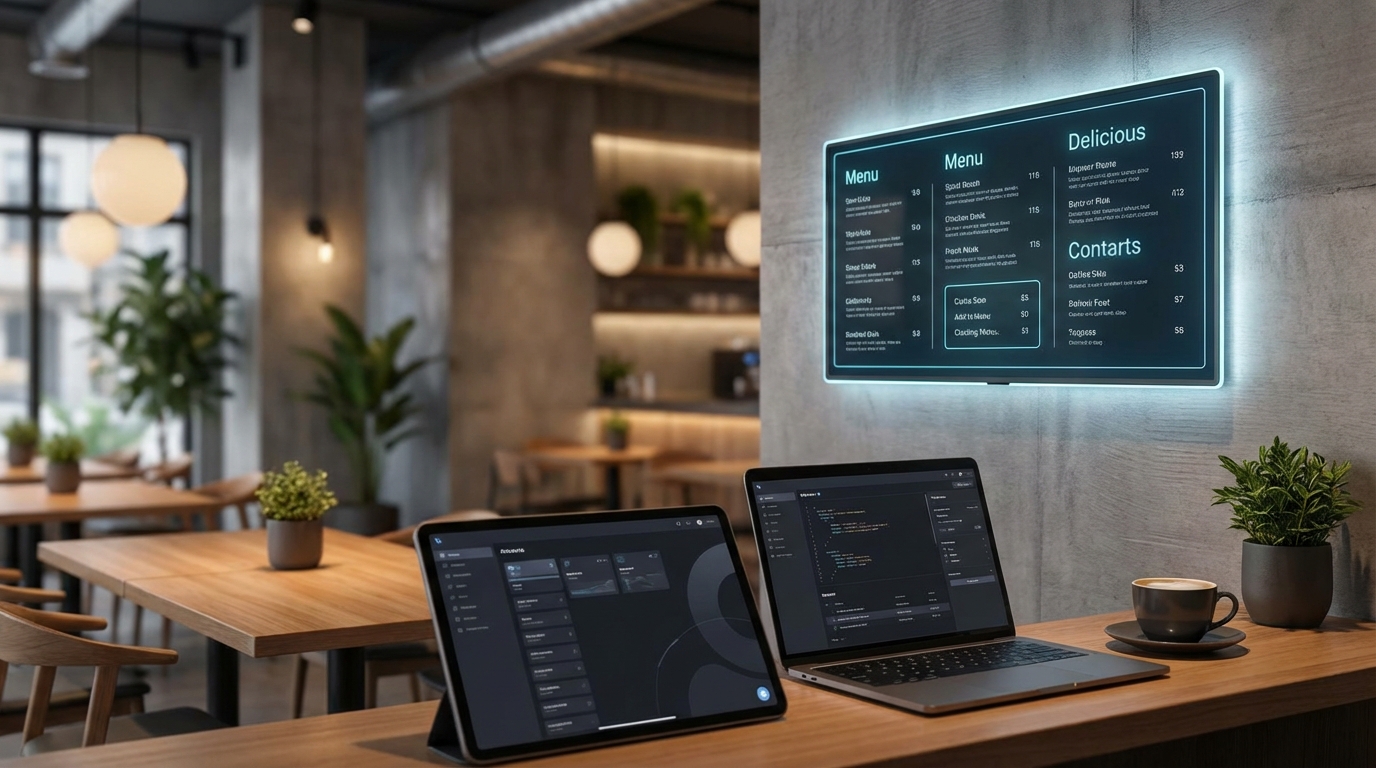
Best Software for Digital Menu Boards: The 2025 Comprehensive Guide
Running a restaurant today isn’t just about the food; it’s about managing chaos. Your menu is no longer just a static list on a wall—it’s a living, breathing sales tool that dictates how guests interact with your brand. Using the best software for digital menu boards is how you stay competitive when the market is moving at a breakneck pace. This tech gives you the power to pivot prices instantly, highlight those high-margin specials, and wow guests with visuals that actually look appetizing. Think about this: nearly 60% of restaurant owners see a real sales bump after making the switch to digital. We’re going to look at the top tools available right now and how AI is starting to pull its weight in the dining room.
The Quick Answer: Identifying the Best Software for Digital Menu Boards
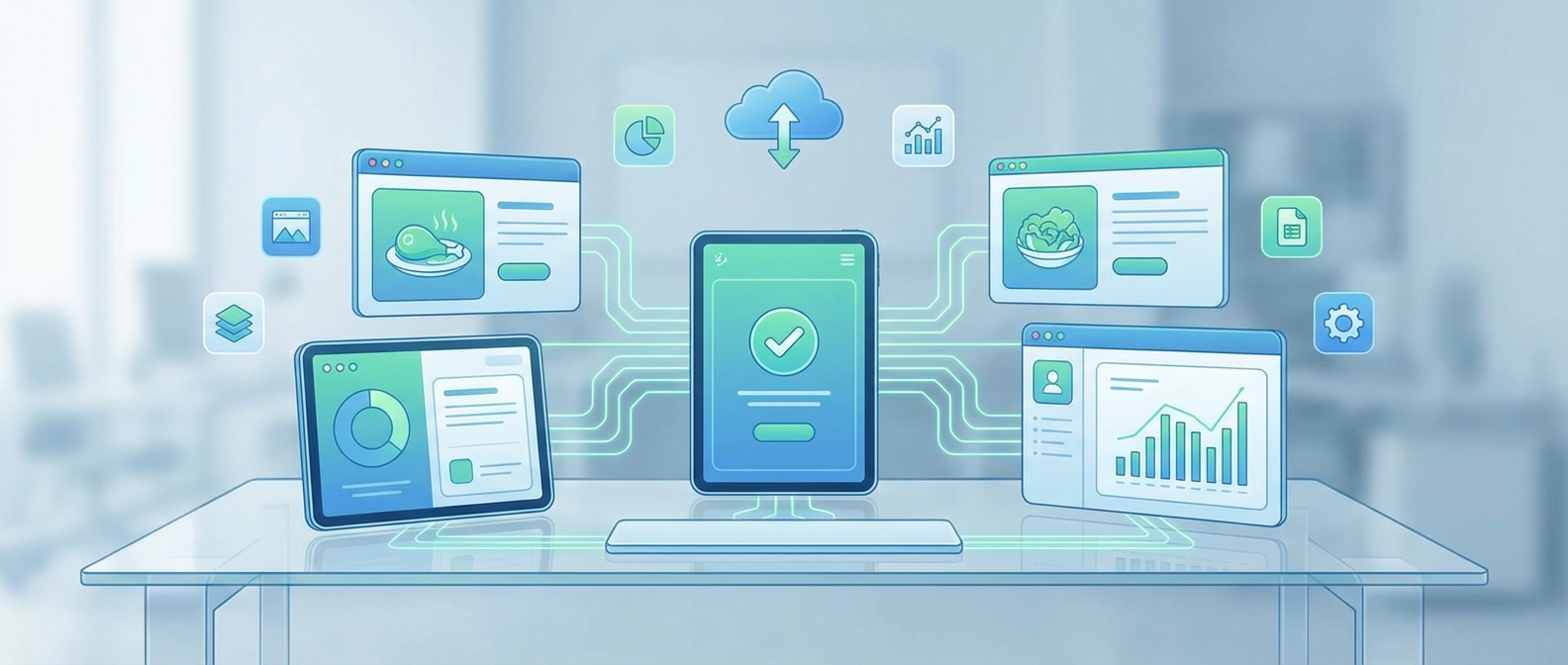
The best software for digital menu boards shouldn't be a headache to use. It needs to play nice with your hardware and offer features that actually move the needle. While old-school systems feel like fighting with a rigid interface, modern solutions lean into AI insights and integrated QR tech. **Qret.me** is a standout here because it isn’t just a playback tool—it’s an entire ecosystem. It ensures your overhead boards stay perfectly in sync with your mobile Digital Menu. While massive global chains might gravitate toward Raydiant or ScreenCloud, for most fast-growing brands, Qret.me offers the best balance of horsepower and price. You can check out their pricing plans to see which scale fits your current operation.
Section 1: Why Restaurants are Switching to Digital
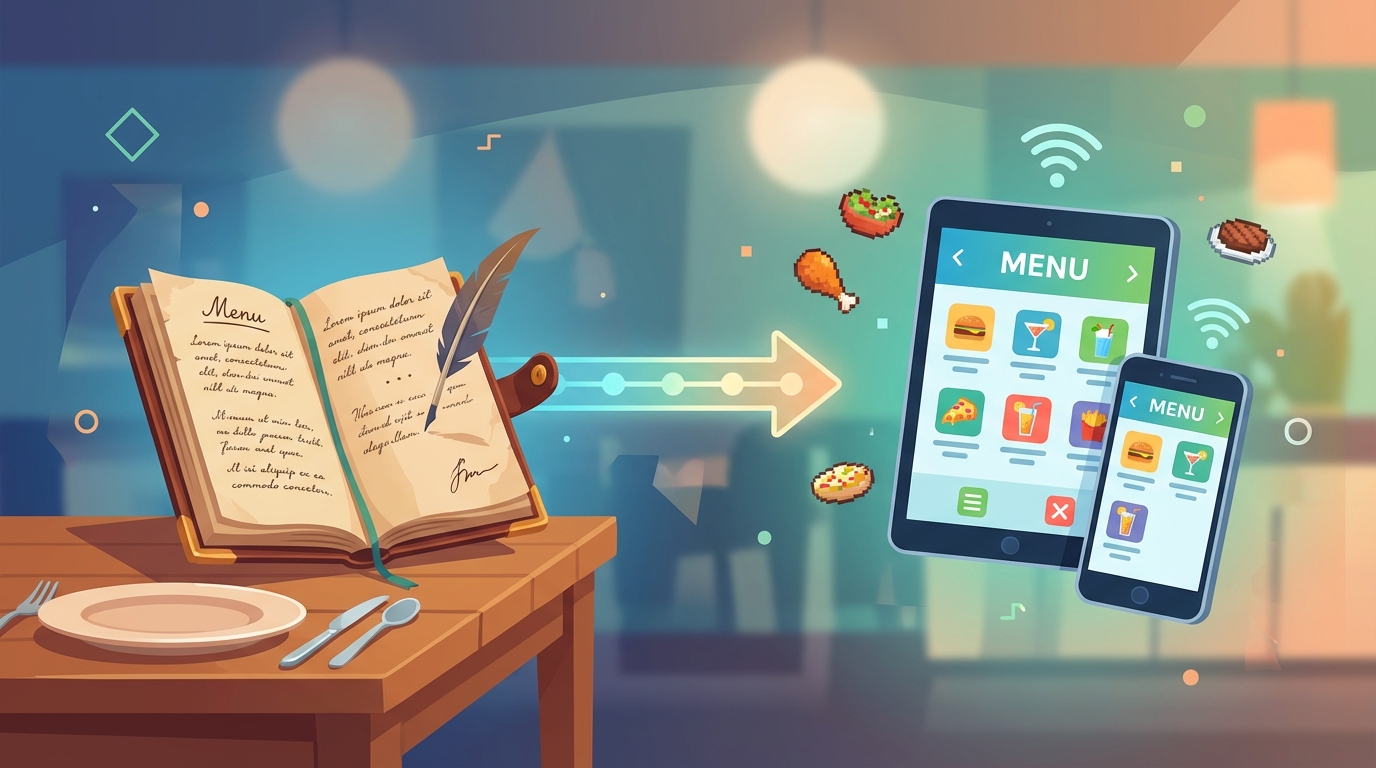
Ditching the old chalkboards or printed posters for high-def screens is a massive shift in how you manage your day-to-day. Remember the nightmare of realizing you had a typo—or an out-of-stock item—on 500 printed menus? It was a logistical mess that led to frustrated guests and wasted cash. Adopting the best digital infrastructure kills that problem for good.
Centralized management means you can push a price update across five locations in about three seconds. Research suggests digital signage can lift overall sales by 3% to 5%, but the real magic is in the promotions—featured items often see a 30% jump in volume. Beyond the immediate register rings, you're saving a fortune on printing and labor. Most of the time, the software pays for itself within the first year. Plus, let's be honest: a subtle video of steam rising from a hot bowl of ramen is way more effective at triggering an impulse buy than a flat, dusty photograph.
Section 2: Key Features of Leading Menu Software
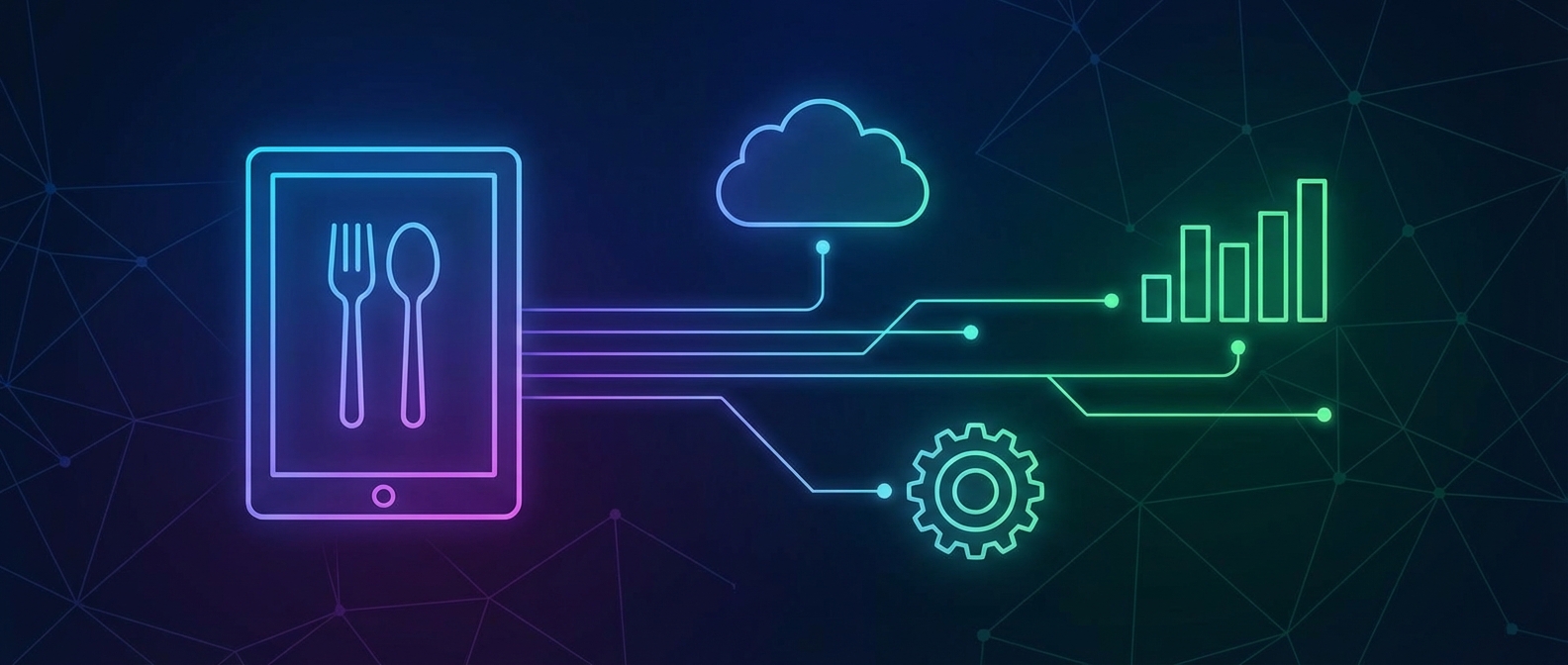
When you're picking a platform, don't settle for a basic slideshow. You need a tool that acts as a bridge between your physical dining room and your guest's digital life. Here are the "must-haves" for 2025:
1. Real-Time Cloud Updates
Speed is everything. If the kitchen runs out of the daily special, you need to "86" that item from the board immediately—not ten minutes after the guest tries to order it. Cloud-based platforms are the best way to handle this because you can make the change from your phone while you're walking the floor.
2. Professional Design Templates
Your menu is your brand's face. You shouldn't need a degree in graphic design to make it look good. Qret.me, for example, has over 15 customizable themes that let you match your colors and fonts perfectly. They even tie this into their Bio Link Pages so your vibe stays consistent from Instagram all the way to the table.
3. AI-Enhanced Customer Support
The best modern systems are now using AI to take the pressure off your staff. Qret.me’s AI Chef is a perfect example of this in action. Guests scan a QR code on the board and talk to a virtual concierge about allergens, ingredients, or even wine pairings. It’s like having an extra host on the floor during the Friday night rush.
4. Hardware Agnostic Performance
Don't get trapped by proprietary hardware. The best tools in the industry work on stuff you can buy at a local electronics store—Amazon Fire Sticks, Chromecasts, or just a standard Smart TV. This keeps your startup costs low and makes scaling up way easier.
5. Dynamic QR Code Integration
A menu board shouldn't just be something people stare at. By using Dynamic QR Codes, you let customers "take the menu with them" on their own devices. It makes contactless ordering seamless and gives them a direct line to your digital offerings.
Section 3: Top Software Choices for 2025
There are dozens of providers out there, but choosing the right partner is what actually matters for your bottom line. Here’s how the best options stack up.
Qret.me: The Most Versatile Option
Qret.me has basically changed the game by creating a "digital twin" for your restaurant. It doesn't just manage a screen; it handles your whole digital footprint—from tabletop ordering to your overhead boards. It’s widely seen as the best way to stop using ten different apps to run one business. Their higher tiers even include a full Online Booking System to handle the front-of-house too.
Raydiant: The Enterprise Standard
If you're managing a national chain with thousands of screens and need heavy-duty security, Raydiant is a top-tier choice. It costs more to get started, but it’s built for the sheer scale of corporate environments.
ScreenCloud: For Data-Driven Displays
ScreenCloud is great if you want to mix your menu with other data. If you’re a sports bar and want social feeds or news tickers running alongside your beer list, this is a solid pick. Just be prepared for a slightly steeper learning curve than the simpler options.
Section 4: The Economics of Digital Signage ROI
Let's talk money. When you're looking for the best software, you have to look at the ROI. Traditional menus are a recurring drain on your bank account—every seasonal change costs hundreds in design and printing. Digital boards turn that cost into a one-time investment. You can also play around with "Menu Engineering"—putting your most profitable items in the visual "sweet spots" of the screen. You can actually A/B test your layout to see which version makes you more money. This isn't just a tech upgrade; it's a profit strategy.
Section 5: Designing for Maximum Impact
One big mistake? Cluttering the screen. The best layouts follow the "Golden Triangle" rule: eyes usually hit the center first, then jump to the top right and top left. Put your "money makers" there. Use high contrast—white text on a dark background is usually the best way to ensure someone can read it from across the room. Also, take advantage of scheduling. Your board should automatically flip from breakfast to lunch specials without you having to touch a button.
Section 6: Overcoming Implementation Challenges
I know what you're thinking: "I don't have time for a complex setup." The best providers have made this a "Plug and Play" situation. The only real hurdle is usually your Wi-Fi. (Pro tip: use a dual-band router so your boards have their own dedicated signal). Most good apps also have an "offline mode," so even if your internet blinks out, your menu stays up on the screen. Features like the AI Assistant will just pick back up once you're back online.
Section 7: Future Trends: AI and Beyond
Looking toward the end of 2025, AI is going to be everywhere. We're moving toward menus that react to the world—imagine your board automatically pushing iced coffee when the local temperature hits 80 degrees. Qret.me’s Nano Agents are leading this charge. These agents act like digital employees that learn your kitchen's rhythm. It’s a futuristic vibe that actually makes guests want to come back.
FAQ
What is the best software for digital menu boards for a small cafe?
For most local cafes, Qret.me is the best bet. It's easy to use, won't break the bank, and the AI tools help small teams manage things more efficiently.
Is professional hardware required for digital menus?
Not anymore. The best modern software runs perfectly on consumer gear like Smart TVs or Fire Sticks, which is a huge win for small business budgets.
Can I manage multiple locations from one account?
You bet. Professional software lets you group your screens. You can update the price of a burger across fifty locations with one click. It's the best way to keep your brand from looking messy.
Does digital menu software require a monthly subscription?
Usually, yes. Most best-in-class providers use a SaaS model. It's worth it for the security updates and the cloud storage for all your high-res food photos.
Can I use video on my digital menu board?
Definitely. Using video for your signature dishes is one of the best ways to grab attention and get people's mouths watering.
Conclusion: Choosing the Best Path Forward
Choosing the best software for digital menu boards in 2025 is really about investing in your restaurant's survival. It’s the link between a smooth kitchen and a happy guest. Platforms like Qret.me give you a full toolkit—AI helpers, dynamic QR codes, and easy booking—that pays for itself way faster than a stack of paper menus ever could. Don't get stuck in the past with static signs. Get digital, engage your guests, and watch your sales climb. Check out Qret.me today—it’s the best way to future-proof your business.