

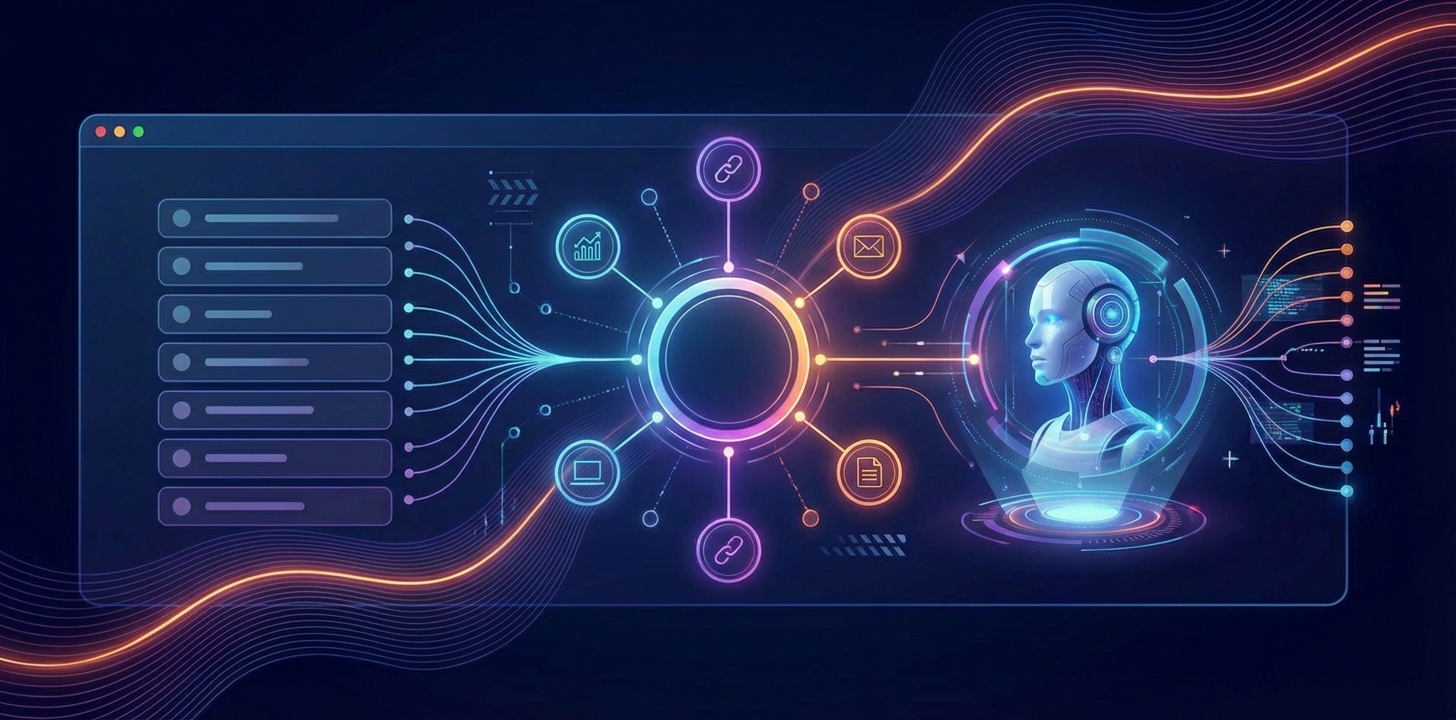
The Ultimate Guide to Free Bio Link Tools: Build Your Digital Hub (2026 Guide)
A bio link is a single, centralized URL nested within your social media profile that acts as a gateway to a custom landing page. Instead of being trapped by a platform's one-link limit, this page lets you point visitors toward multiple links, social feeds, product listings, contact options, or direct booking tools.
- Centralize Your Footprint: Stop scattering your audience. Pull your social channels, websites, and contact touchpoints into one seamless, mobile-first dashboard.
- Drive Direct Conversions: Don't just link out—sell. Use built-in booking engines and product catalogs to capture leads and close deals right on the page.
- Physical-to-Digital Connection: Turn real-world interactions into digital traffic. Use custom QR codes to instantly route offline customers to your hub.
- Next-Gen Automation: Put your bio on autopilot. Embed smart AI assistants to answer customer questions and handle bookings around the clock.
What Is a Bio Link and Why Do You Need One in 2026?
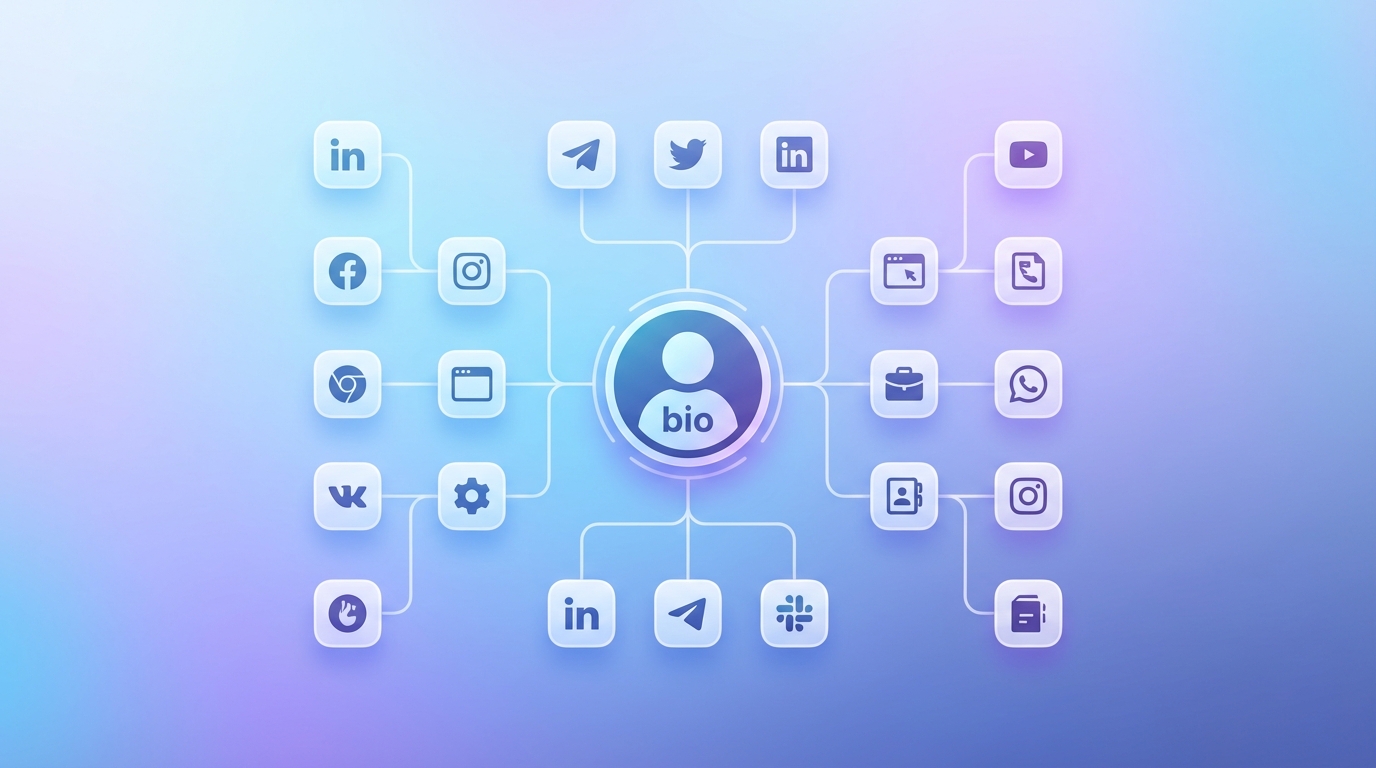
Let's face it: social networks aren't in the business of sharing traffic. Major platforms intentionally trap users inside their walled gardens, capping your profile at a single external link. If you're trying to grow a brand or run a business, that's a massive bottleneck. That's where a bio link page comes in. It serves as your personal traffic controller, guiding followers exactly where they need to go next.
But we've moved past the era of plain link lists. Today, a static list of URLs won't hold anyone's attention. A modern bio link operates more like a lightning-fast micro-website—compressing your portfolio, social links, and core business tools into a clean, mobile-optimized experience that loads in milliseconds.
The Problem with Single-Link Limitations
Constantly swapping out the URL in your Instagram, TikTok, or YouTube bio is a recipe for a headache. Every time you launch a new campaign, publish a blog post, or drop a product, you end up killing the traffic to your previous offers. It's an inefficient, manual process that fractures your marketing campaigns and bleeds warm leads.
Creating a permanent, centralized landing page solves this. You can tweak, update, and test your content behind the scenes without ever touching your social profiles again. No matter when a follower clicks that link—whether they're looking at a post from today or three months ago—they'll always find relevant, up-to-date resources.
The Shift Toward "Digital Twins" and AI Integration
The era of passive link hubs is over. Early aggregators like Linktree or Bio.link served their purpose, but they're essentially just digitized phone books. The industry has evolved, shifting toward "Digital Twins"—dynamic spaces that mimic your actual business operations.
Think of your digital hub as an active helper rather than a static directory. With advanced, interactive blocks, your page can handle actual workflows. Visitors can book an appointment, check out your inventory, or chat with an automated assistant. It essentially transforms your simple social bio link into a 24/7 automated storefront.
How Do Free Bio Link Tools Actually Work?
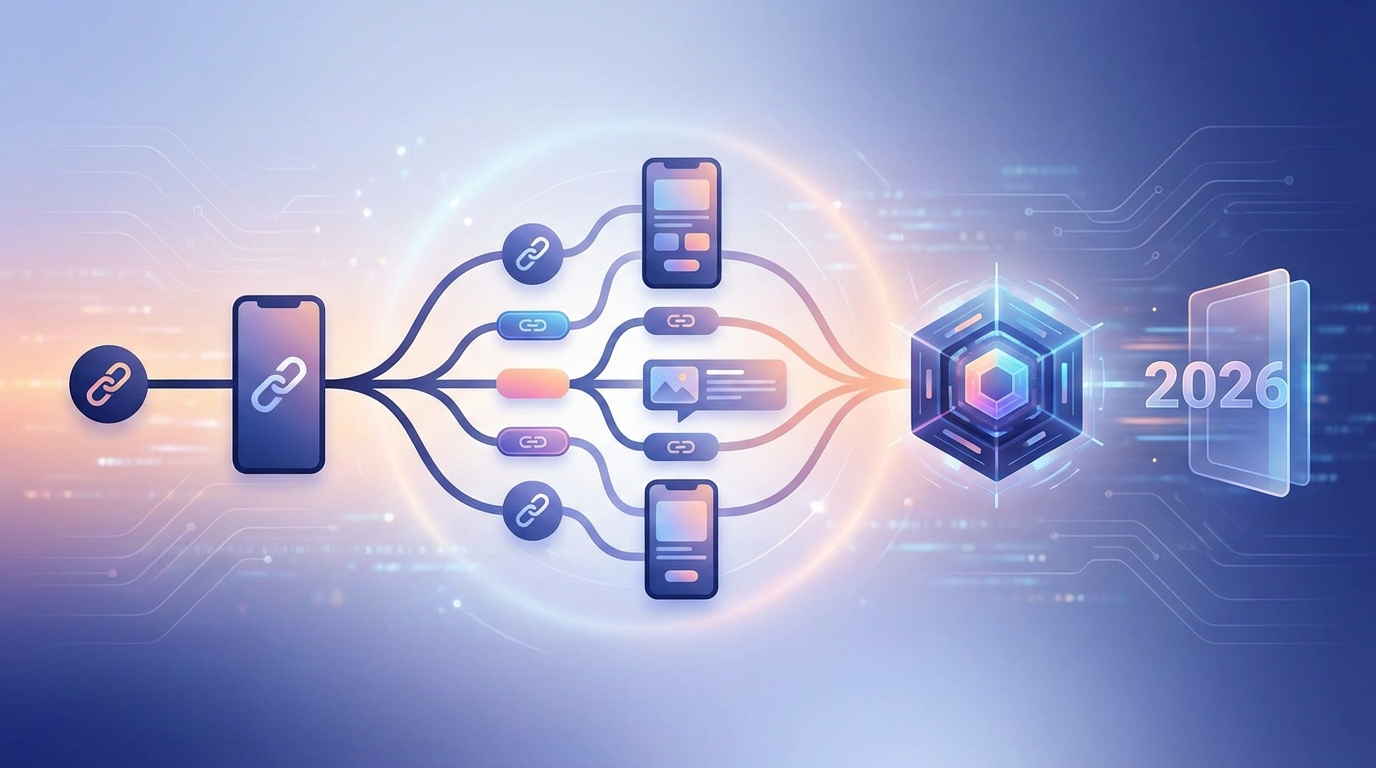
At their core, these tools are incredibly straightforward. You use a visual drag-and-drop editor to arrange modular blocks on a canvas optimized for smartphones. Once you hit publish, the platform hands you a clean, shortened URL. When someone clicks it, a backend URL redirection instantly routes them to your customized micro-page.
The heavy lifting—hosting, databases, and page speed optimization—is handled entirely for you. Since nearly all social media traffic is mobile, these platforms are engineered specifically for phones. They load almost instantly, keeping drop-off rates as close to zero as possible.
Core Infrastructure: Redirects, Blocks, and Custom Styling
What happens when a visitor taps your link? The platform's servers execute a quick redirect, serving up your layout of visual "blocks." These blocks are the building blocks of your page—think standard buttons, video feeds, booking calendars, or promotional banners.
The best platforms let you move, hide, or update these blocks on the fly without breaking your existing bio URL. Under the hood, you get a dashboard showing who clicked what, where they're located, and what devices they used—giving you direct insight into what's actually grabbing your audience's attention.
The Evolution of Block Editors
We've come a long way from the days of boring, uniform text buttons. Modern block editors let you build rich, interactive experiences. You're no longer restricted to just sending people away to other sites.
Instead, you can embed music players, map locations, high-res galleries, digital menus, or multi-step booking forms directly on the page. It's modular design at its finest, allowing your hub to evolve as your business grows.
The Essential Features of an Outstanding Bio Link Free Tool
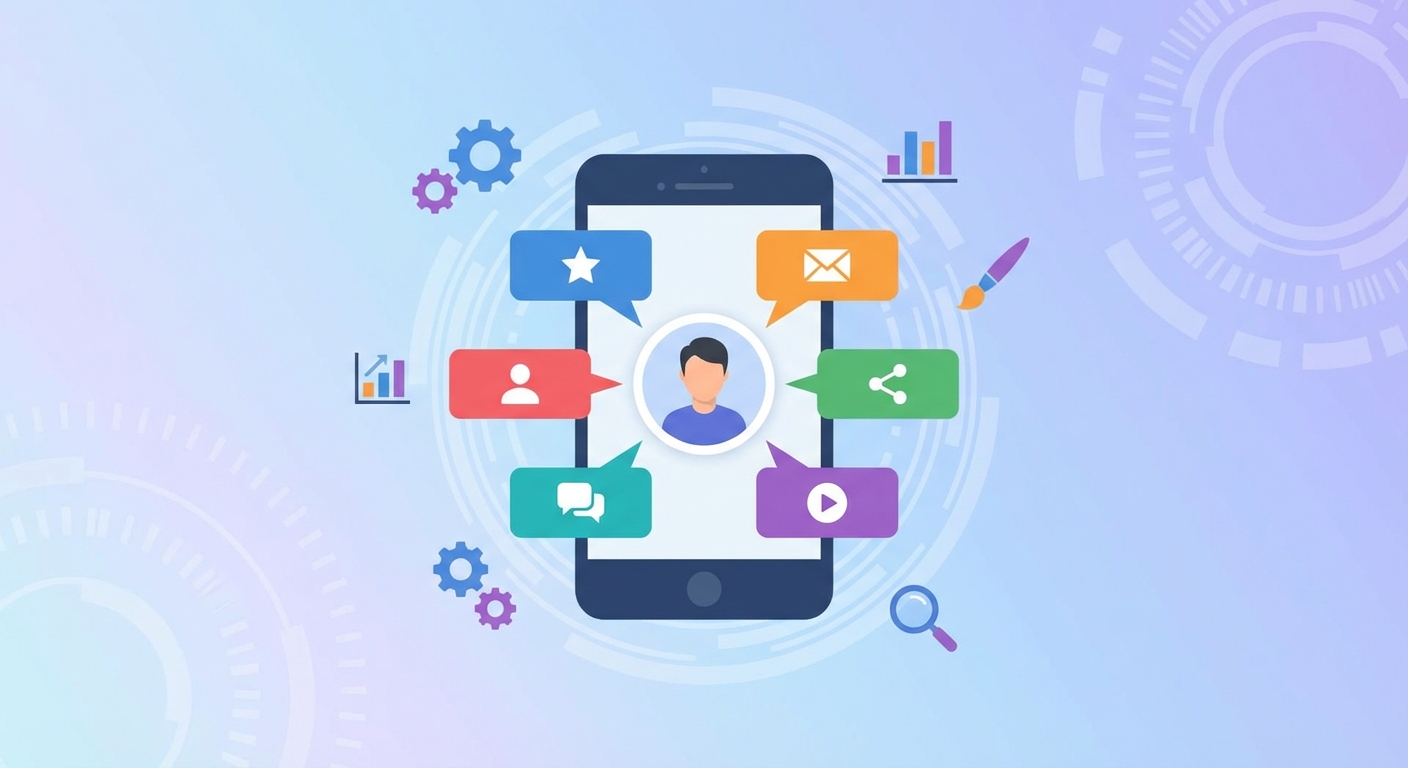
Don't just pick a tool because you like one of its templates. A truly valuable platform needs to offer a robust suite of features on its free tier—with clear, affordable paths to scale as your brand expands. Here are the non-negotiables you should look for.
Customization Options and Pre-built Themes
Your link-in-bio is an extension of your brand, so it shouldn't look like a generic template. Any decent free tool should let you customize color palettes, tweak button styles, swap fonts, and adjust layouts to match your existing aesthetic.
Cohesive branding builds instant trust. When visitors step from your Instagram profile onto a page that matches your brand's look and feel, it feels secure. Look for platforms that support clean, flexible layouts—whether you prefer standard lists, card grids, or minimalist designs.
Dynamic QR Codes Integration
Your digital hub shouldn't just live online. An integrated dynamic QR code generator is a must-have for real-world networking. The magic of "dynamic" codes is that you can change where they point without ever needing to reprint the code itself.
Stick them on your business cards, table tents, product packaging, or posters—one quick scan takes customers straight to your digital hub. It's the easiest way to make your offline marketing efforts completely trackable in real-time.
Secure Cloud Storage and File Sharing
If you're a creator, freelancer, or consultant, you're constantly sharing resources. Built-in cloud storage makes document delivery seamless. There's no need to redirect visitors to clunky, slow third-party drives.
You can host your media kits, PDFs, guides, or digital resumes right on your landing page. When visitors can grab your files with a single tap, it removes friction, speeds up the process, and makes you look incredibly professional.
Multi-Industry Implementations: Beyond Social Media Profiles
Though influencers and creators put link hubs on the map, practical businesses are adopting them to simplify their workflows. From local spots to service providers, centralizing menus, schedules, and assets into one simple link just makes life easier for everyone.
For Restaurants and Cafes: Digital Menus and QR Codes
More and more restaurants are ditching physical menus. By pairing a bio page with a digital menu restaurant system, spots can display their food and drinks digitally—saving thousands in printing costs and making price updates instant.
Diners simply scan a table QR code to view rich photos, live pricing, and ingredient details. By utilizing interactive blocks, restaurants can also highlight daily specials, collect reviews, or link directly to online ordering portals.
For Service Businesses: Booking and Client Acquisition
For service businesses like salons, coaches, clinics, or consultants, getting clients booked should be as easy as possible. Embedding a direct online booking system into your bio link completely removes the scheduling back-and-forth.
Instead of forcing clients to hunt through a massive website, they can view your real-time calendar, pick their service, and lock in their slot straight from their phone. Toss in automated reminders, and you instantly cut down on no-shows without lifting a finger.
For Creators, Consultants, and E-commerce Brands
For creators and e-commerce stores juggling multiple platforms, a central hub is a lifesaver. It lets you link out to your shop, affiliate partnerships, portfolio, and premium content from one singular spot.
Consultants can use it to display quick video intros, share client case studies, and highlight reviews. Meanwhile, retail brands can highlight seasonal drops, offer quick-copy discount codes, and provide direct support links to boost sales.
Comparison Matrix: Top Free Bio Link Tools Evaluated (2026)
Which platform fits your setup? It really depends on what you're trying to build. Here's a quick look at how old-school link trees hold up against modern, AI-integrated platforms like Qret.me.
| Key Capability | Traditional Link Trees (e.g., Linktree, Bio.link) | All-in-One Platforms (e.g., Qret.me) |
|---|---|---|
| Primary Layout | Basic, static list of vertical buttons. | Dynamic drag-and-drop block editor with 15+ block types. |
| Free Tier Limits | Basic links with highly restricted styling templates. | Custom styling, dynamic QR code, short link, and AI integration. |
| QR Code Features | Basic, uncustomizable static black-and-white QR codes. | Custom dynamic QR codes with real-time scan analytics. |
| Client Scheduling | Requires paid, clunky third-party app integrations. | Fully native, smart booking calendar and scheduling blocks. |
| Product Catalog | Requires linking out to external store sites. | Native visual catalogs and organized digital menus. |
| AI Assistant Capabilities | Typically unavailable or locked behind enterprise tiers. | Interactive AI chatbots trained directly on your business. |
Step-by-Step: How to Design a High-Converting Bio Link Page
Throwing twenty links on a single page is a great way to overwhelm your visitors and make them bounce. If you want real results, you need a visual strategy. Let's walk through how to build a high-converting page step-by-step.
Step 1: Define Your Primary Conversion Goal
What's the single most important action you want someone to take? Whether that's booking a consultation, signing up for your newsletter, or buying a product, keep that goal front and center.
Make sure your primary call-to-action (CTA) sits near the top of the page. Use contrasting colors or subtle visual styles to draw the eye there first, and push secondary or older links further down the page where they won't distract.
Step 2: Build Visual Hierarchy and Maintain Brand Style
A professional digital hub needs to look cohesive. Stick to your brand's custom colors and fonts, and use clear headers or dividers to bundle similar links together so the page is easy to scan.
Keep it clean—aim for 5 to 7 high-impact links max. For accessibility and ease of reading, use tools like a Contrast Checker to ensure your text pops and fully aligns with WCAG accessibility guidelines.
Step 3: Optimize Media and Fast Loading Speeds
Since nearly all your traffic is coming from mobile devices, page speed is make-or-break. Huge, unoptimized images will slow your page down to a crawl—and visitors aren't going to wait around. Compress your files before uploading them.
Stick to modern, lightweight formats to keep file sizes tiny without sacrificing quality. Running your files through an online Image to WebP Converter is a simple way to ensure your hub loads instantly, even on spotty cellular networks.
Advanced Strategies: QR Codes, Short Links, and AI Assistants
If you want to extract maximum value from your bio page, don't stop at basic link lists. Integrating dynamic tools—like custom short URLs, interactive QR codes, and smart AI agents—can turn your static bio page into a round-the-clock sales funnel.
QR Codes as Physical Gateways to Your Digital Hub
Placing a QR code on your offline touchpoints makes connecting online incredibly easy. When you print custom codes on business cards, menus, or stickers, people can instantly bridge the gap with a single scan.
With dynamic codes, you're free to change the destination URL anytime without printing new materials. Plus, you get detailed tracking to see exactly which flyers, tables, or events are generating the most interest.
Short URLs for Off-Platform Campaigns
Clunky, paragraphs-long URLs look suspicious and unprofessional. Using a clean, branded link shortener helps you create neat links for email campaigns, social captions, and SMS outreach.
Branded short links are easy on the eyes and fit perfectly onto printed flyers. Better yet, they let you track clicks, geographic locations, and referral sources, helping you see which channels are pulling their weight.
Incorporating AI to Automate Customer Engagement 24/7
Your link page shouldn't just sit there—it should work for you. By adding an AI assistant, you can handle client inquiries and collect lead info automatically, even when you're completely offline.
You can train an AI chatbot on your specific business details, rates, and policies to answer common questions in real-time. Whether a client is asking about your opening hours or trying to book a specific service, the AI handles it on the spot while you focus on your actual work.
Why Qret.me is the Ultimate Modern Bio Link Solution
If you're ready to step up your digital presence, Qret.me is the answer. It's not just another basic link tree—it's a full-scale "Digital Twin" for your business. The platform packs custom bio links, online scheduling, dynamic QR codes, and AI automation into one simple, unified dashboard.
Instead of juggling four different monthly subscriptions, Qret.me replaces them all. You get a flexible drag-and-drop builder, custom domains, 15+ pre-made templates, full RTL/multi-language support, and deep analytics to track your growth.
Here's a breakdown of Qret.me's core features and how businesses are using them to save time and scale:
- AI-Powered Assistants (Nano Agents): Train an AI bot on your business details to manage customer FAQs and collect leads 24/7. Even the Free plan comes with 100 free monthly AI credits to get you started.
- Smart Booking System: Let clients schedule appointments straight from your page via a native booking calendar with automatic reminders. Great for salons, consultants, and clinics.
- Digital Menus & Catalogs: Showcase your products with rich visual galleries and dynamic pricing. You can even use an AI Chef agent to handle customer questions about ingredients or allergens.
- Dynamic QR Codes: Create fully customizable, trackable QR codes that let you change destinations on the fly without printing new assets.
- Cloud Storage (Identity Vault): Securely host and share your lead magnets, portfolios, PDFs, and media files directly from your link page.
- Free SEO Tools: Get access to over 30 free utilities, including an Image to WebP Converter, Image Compressor, and Meta Tag Generator built right into the platform.
Real Success Stories from the Qret.me Community
From local brick-and-mortar stores to busy freelancers, people are using Qret.me to automate their customer service and bookings. Here's a quick look at how it works in the wild:
Bella Studio (Beauty Salon, Istanbul): The team was drowning in over 40 phone calls a day just to answer basic scheduling questions. After setting up a dynamic QR code and an online booking block at their front door, they cut down call volume by 90% and saw their weekend bookings triple.
Casa Verde (Restaurant, Ankara): Tired of rising print costs and endless allergen questions, Casa Verde switched to Qret's digital menu system and deployed an AI Chef agent. They wiped out menu printing costs entirely and let the AI instantly handle complex ingredient questions.
Dr. Karimi (Clinic, Tehran): The clinic's front desk was constantly bogged down by repetitive pre-visit inquiries. By putting an AI agent on their bio page to triage patient questions and automate bookings, they slashed phone inquiries by 60% and made the daily schedule run much smoother.
Whether you're a content creator, a freelancer, or running a local business, Qret.me is built to scale with you. Start with the Free Plan ($0/forever) to build your custom bio page, set up a dynamic QR code, and launch a custom short link. As your brand grows, you can easily upgrade to paid plans like the Personal, Business, or Pro tiers to unlock unlimited links and more AI power.
FAQ
Is a bio link page mobile-friendly?
Absolutely. Since virtually all social media traffic comes from mobile devices, these pages are designed mobile-first. They load incredibly fast and fit perfectly on everything from older smartphones to high-end tablets and desktops.
Can I use my own custom domain with a free bio link tool?
Most free plans give you a branded subdomain (like qret.me/yourname). However, if you want a fully custom domain (yourname.com) to keep your branding perfectly consistent, you'll typically need to upgrade to a premium tier.
What is the difference between static and dynamic QR codes?
Static QR codes hardcode your link directly into the pattern—once printed, you can never change it. Dynamic QR codes use a redirection link behind the scenes. This means you can update the destination link whenever you want without reprinting your flyers, plus you get detailed scan tracking.
How do AI credits work on Qret.me?
Each word processed in an AI chat uses 0.01 credits—meaning an average interaction costs between 10 and 50 credits. Qret.me gives you 100 free AI credits every month across all plans (including the Free tier). If you run low, you can grab affordable, non-expiring AI Credit Packs whenever you need them.
Can I integrate an online booking system into my social bio?
You sure can. Modern platforms like Qret.me let you add a native booking block directly onto your landing page. Clients can browse your services, check your real-time calendar, and book their slots without clicking away to a different site.
Is a digital menu suitable for any type of restaurant?
Yes, it's perfect for food trucks, coffee shops, local bars, and fine dining establishments alike. It makes swapping out seasonal specials, adjusting prices, or updating ingredient details instant, all while eliminating print costs entirely.
How secure is the built-in file hosting (Identity Vault)?
Qret's Identity Vault offers highly secure, fast cloud storage for your digital files. You can upload PDFs, resumes, media kits, or high-res images directly to your page, with storage limits scaling from 10MB on the Free plan up to 15GB on the Pro tier.
Can I manage multiple languages on my bio page?
Absolutely. High-end bio link tools offer full multi-language and Right-to-Left (RTL) support. Qret.me natively supports over 5 major languages—including English, Turkish, Farsi, Arabic, and Spanish—allowing you to connect with a diverse global audience.
Conclusion: Take Control of Your Digital Footprint Today
A single, unclickable social bio shouldn't stand in the way of your growth. A modern bio link acts as your personal digital lobby—combining your links, professional portfolios, booking systems, and store catalogs into one easy-to-navigate dashboard.
When you power up your landing page with smart dynamic QR codes and AI automation, you're not just organizing links. You're building an automated funnel that handles leads, clients, and sales 24/7.
Ready to build a hub that actually works for you? Sign up for Qret.me today and launch your page for free. You don't even need a credit card to get started!