
Dynamic QR Code with Tracking: The Ultimate 2026 Guide
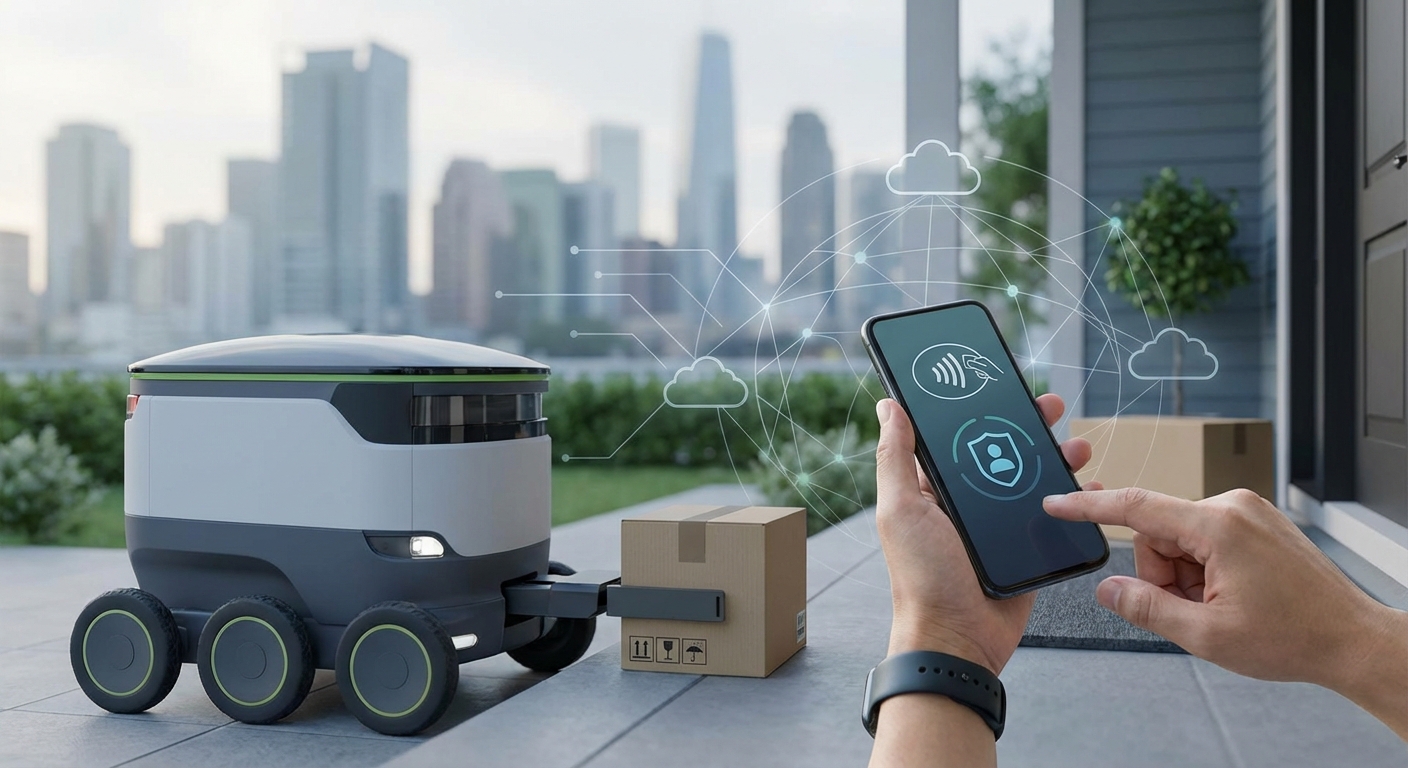
Walk down any busy street in Istanbul, Berlin, or Tokyo, and you'll see them everywhere: flyers, product packaging, and shop windows. Every physical surface has the potential to become a direct portal to the digital world. But let's be honest—slapping a basic, static QR code on a poster and pointing people to a generic homepage just doesn't cut it anymore. If you can't measure the traffic or change the destination link when a campaign ends, you're flying blind. That's exactly why a dynamic QR code with tracking is no longer just a neat tech trick; it's a modern business survival tool.
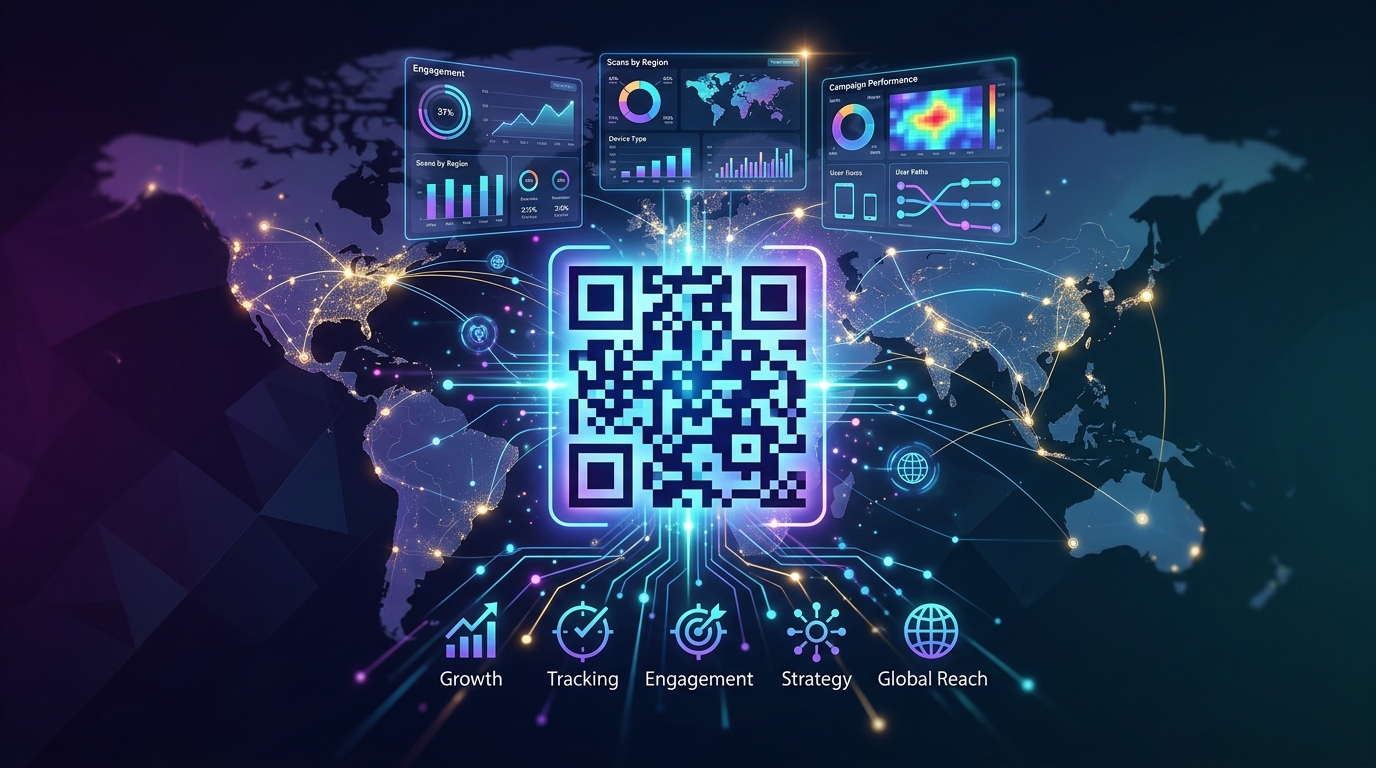
A dynamic QR code with tracking is a smart barcode containing a short redirection URL that lets you update the destination address whenever you want—without reprinting your physical marketing materials. At the same time, it quietly tracks real-time scan metrics like location, time, operating system, and total scan counts so you can make data-driven decisions on the fly.
🚀 Key Takeaways
- Instant Editability: Swap out your target URL anytime without changing the printed QR pattern.
- In-Depth Analytics: Track total scans, geographic locations, peak hours, and device types in real time.
- Social Synergy: Connect your physical materials directly to a unified Link in bio for Instagram to turn offline foot traffic into online followers.
- Optimized Performance: Because the redirect URL is short, the visual code pattern stays clean and super easy to scan—even for older phone cameras.
What Is a Dynamic QR Code with Tracking?
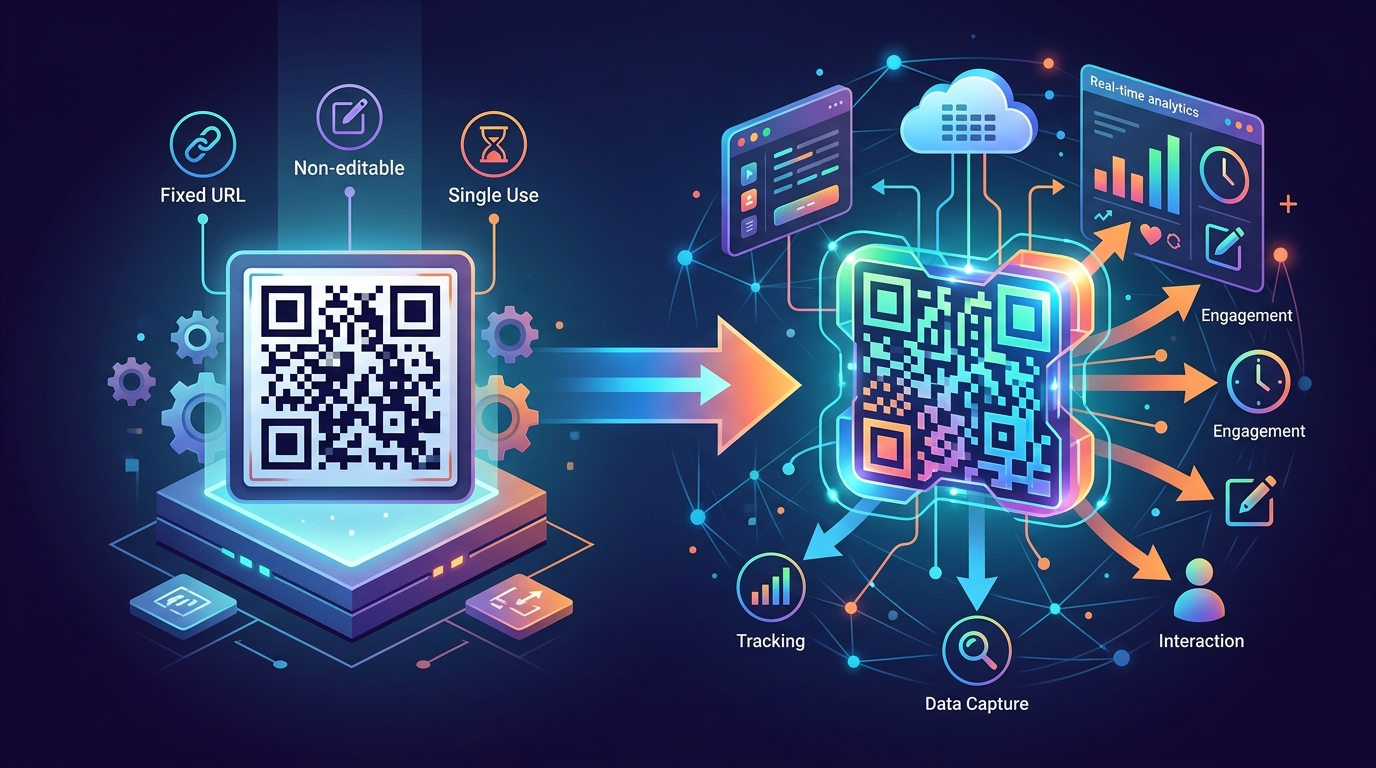
Ever printed a thousand flyers only to realize there's a typo in the web address? If you used a static QR code, you're out of luck. The link is permanently baked into that mosaic of black-and-white squares. But a dynamic QR code works differently. It acts as a middleman, using a short redirection link to route users. Since that final web address lives in a secure online database—not inside the physical pattern itself—you can edit the destination URL in seconds, even after printing.
This tiny redirection step does some heavy lifting. First, it keeps the QR code's pattern uncluttered. A simpler pattern means faster scans, even on older phone cameras or in bad lighting. Second, it lets the server log the scan before sending the user on their way. So, whether you're managing a restaurant menu in Istanbul, updating a retail promotion in Berlin, or handing out materials at a Tokyo summit, you can refresh your content instantly without blowing your budget on a reprint.

How Does QR Code Tracking Work in 2026?
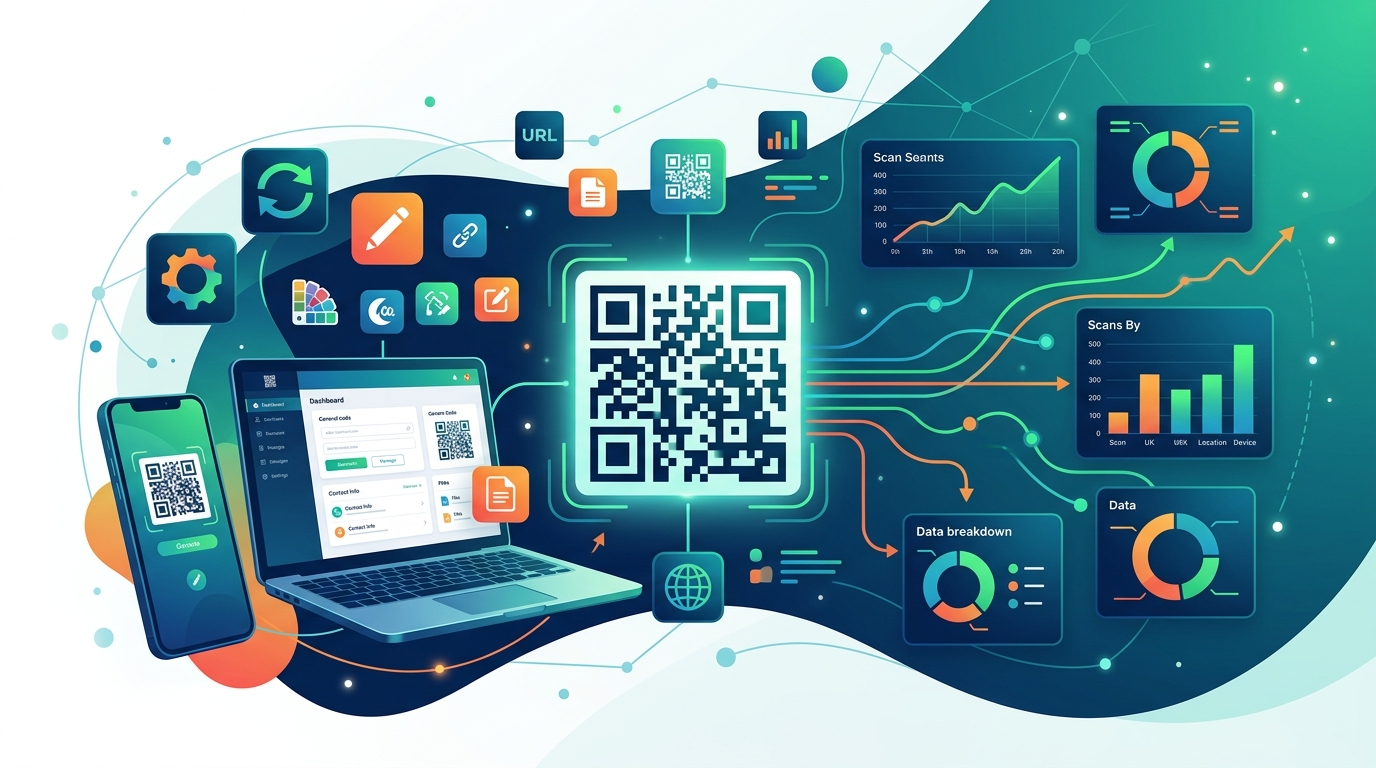
It all happens in the blink of an eye. The moment someone scans the code, they're routed through a redirect server. In that split second, the system notes some basic, anonymous metadata. Don't worry—this setup is fully compliant with strict privacy laws like Turkey's KVKK and Europe's GDPR, meaning you aren't snooping on anyone's personal info.
Based on standard QR code specifications, here's the kind of useful, aggregated data you can track:
- Scan Count: Total scans overall versus unique visitors.
- Geographic Location: Country, region, or city info (figured out via anonymized IP routing).
- Temporal Analysis: The precise day and time of the scan, showing you exactly when your audience is most active.
- Device and Browser: Whether they're using iOS, Android, Safari, or Chrome.
Why does this matter? Because data-driven marketing beats guesswork every time. If your dashboard reveals that 80% of your scans happen on Saturday afternoons in Munich, you can adjust your landing page on Friday night to run a weekend-only local special.
Static vs. Dynamic QR Codes: A Comprehensive Comparison

Choosing the right code type can make or break your next marketing push. If you're building a long-term campaign or trying to network efficiently, you'll want to understand these core differences. Here is a quick breakdown of how dynamic codes stack up against their rigid, static counterparts.
| Feature | Static QR Codes | Dynamic QR Codes |
|---|---|---|
| Destination URL Editability | No. Once it's printed, you're locked in. | Yes. Change it instantly from your dashboard. |
| Scan Analytics & Tracking | Non-existent. You can't track a thing. | Complete. Track locations, times, and devices. |
| Visual Density | Gets more cluttered (and harder to scan) as the link gets longer. | Stays clean and highly scannable, no matter how long the link is. |
| Best For | One-off links, home Wi-Fi access, or static text. | Marketing campaigns, restaurant menus, and social landing pages. |
| Redirect Latency | Direct load (no detour). | Near-instant redirection (typically under 100ms). |
Why You Need a Dynamic Link in Bio for Instagram
We all know how powerful Instagram is for growing a brand, but it has some frustrating bottlenecks. You can't drop clickable links in standard captions, and while stories help, that single "link in bio" remains your primary digital storefront.
That's where pointing a trackable dynamic code to a smart Link in bio for Instagram comes in handy. It's the ultimate bridge between physical spaces and your online community. Picture this: you're hosting a pop-up event and have your QR code printed on posters. When people scan it, they land on your social bio page. When your focus shifts from selling tickets to launching a new product next week, you simply change the links on your landing page. Your printed banners stay exactly as they are—no reprint required.
This setup also helps you make sense of your traffic. By comparing physical scans against organic link clicks, you'll see exactly which offline campaigns are pulling their weight and where you should focus your marketing budget.
Step-by-Step: How to Generate a Trackable Dynamic QR Code
Creating a highly scannable, trackable QR code doesn't have to be complicated. Here is a simple, battle-tested process to get it right the first time:
- Determine Your Destination URL: Always make sure your landing page is fully mobile-responsive. Since nearly every scan happens on a phone, a clunky desktop layout will ruin the user experience immediately.
- Choose a Reliable Generation Platform: Pick a tool that guarantees speedy redirection, reliable uptime, and follows global privacy guidelines.
- Customize Your Visual Assets: Add your brand colors and drop in your logo to make the code look trustworthy. Just make sure to keep high contrast between the pattern and the background.
- Set Up Your Tracking Parameters: Connect tracking tags, like UTM codes, so your physical campaigns feed clean, readable data directly into tools like Google Analytics.
- Test Before Printing: This is crucial. Print out a test copy on paper and scan it with different phone brands and camera apps under different lighting setups before ordering a massive batch.
Consolidating Your Offline and Online Presence with Qret.me
Let's face it: juggling half a dozen digital tools is exhausting. Most businesses end up paying for one tool to host their link directory, another to generate QR codes, a third for analytics, and a fourth for appointment booking. It's expensive and messy. Platforms like Qret.me aim to end that headache by bringing everything under one roof.
Launched by Siamak Alamdari in Istanbul, Turkey, Qret.me acts as a "Digital Twin" for your brand. It's far more than a basic list of links; it's a dynamic hub that connects your bio links, booking calendars, and customer chat options. With a single dashboard, you can build Dynamic QR Codes that link seamlessly to your custom Bio Link Pages.
With Qret's integrated Growth Engine & Analytics, you can watch real-time data roll in from both physical scans and social clicks. You'll get deep insights into location trends and browser choices, showing you exactly how people navigate your marketing funnel. Even better, Qret features built-in AI chatbots that learn your business details to answer visitor questions around the clock. That means when someone scans your code, they don't just get a page—they get an interactive assistant ready to book appointments or answer FAQs on the spot.
Want to streamline your digital footprint? Give Qret.me a try and kick off your first trackable campaign today for free.
Frequently Asked Questions
Do dynamic QR codes expire?
No, the physical code itself won't expire. However, because it relies on a redirect link, your hosting account or platform subscription needs to remain active. As long as that underlying redirect server is running, your code will keep working perfectly.
Can I track individual scanner identities?
Absolutely not. To keep things secure and compliant with global laws like GDPR and KVKK, tracking platforms never collect personal details like names, emails, or home addresses. Instead, they gather anonymous, high-level metadata like the city, time of scan, and device type.
How can I use a dynamic QR code for my Link in bio for Instagram?
It's super simple. Just generate a dynamic QR code that points directly to your bio landing page, then print it on your stickers, packaging, or business cards. When scanned, it takes people straight to your link tree while quietly tracking how much of your social traffic is coming from the physical world.
Conclusion
At the end of the day, using a dynamic QR code with tracking is about making your physical marketing smarter and more flexible. It saves you from costly reprint disasters, gives you deep insight into how people interact with your brand offline, and lets you update your campaigns instantly. By pairing these trackable codes with an all-in-one hub like Qret.me, you can stop fighting with fragmented tools, truly understand your audience, and design an offline-to-online experience that actually converts.