
What is Contactless Delivery? A Simple 2025 Guide to Modern Digital Logistics
We’ve all seen it: a delivery driver leaves a package on the porch and disappears before the doorbell even stops ringing. But what is contactless delivery exactly, and why has it become a permanent fixture in our lives? While it started as a safety necessity, it’s evolved into a brilliant way to streamline business. Essentially, it's about getting goods to a buyer without any physical hand-off between the driver and the customer. By leaning on digital tools and designated drop-off spots, companies in Turkey, Europe, and Asia are making shipping faster than ever. If you're curious about the costs, you can check our pricing plans or head over to our logistics blog for deeper insights.
Defining Contactless Delivery in the Modern Era
At its core, contactless delivery is a service that cuts human interaction out of the "final mile." It might have exploded during the pandemic, but it's clearly here to stay—whether you're ordering a late-night pizza, weekly groceries, or the latest tech gadget. What sets this apart from traditional shipping? The difference is simple: no physical signatures, no small talk at the door, and zero face-to-face friction.
This entire system hinges on a solid digital identity. For the process to be seamless, every part of the journey—from the moment you hit "buy" to the final confirmation—has to be digital. Platforms like Qret.me are the backbone for businesses managing these steps. You can explore what we do by browsing our features list or reaching out via our contact page for a quick demo.
How Contactless Delivery Works: The Technical Workflow
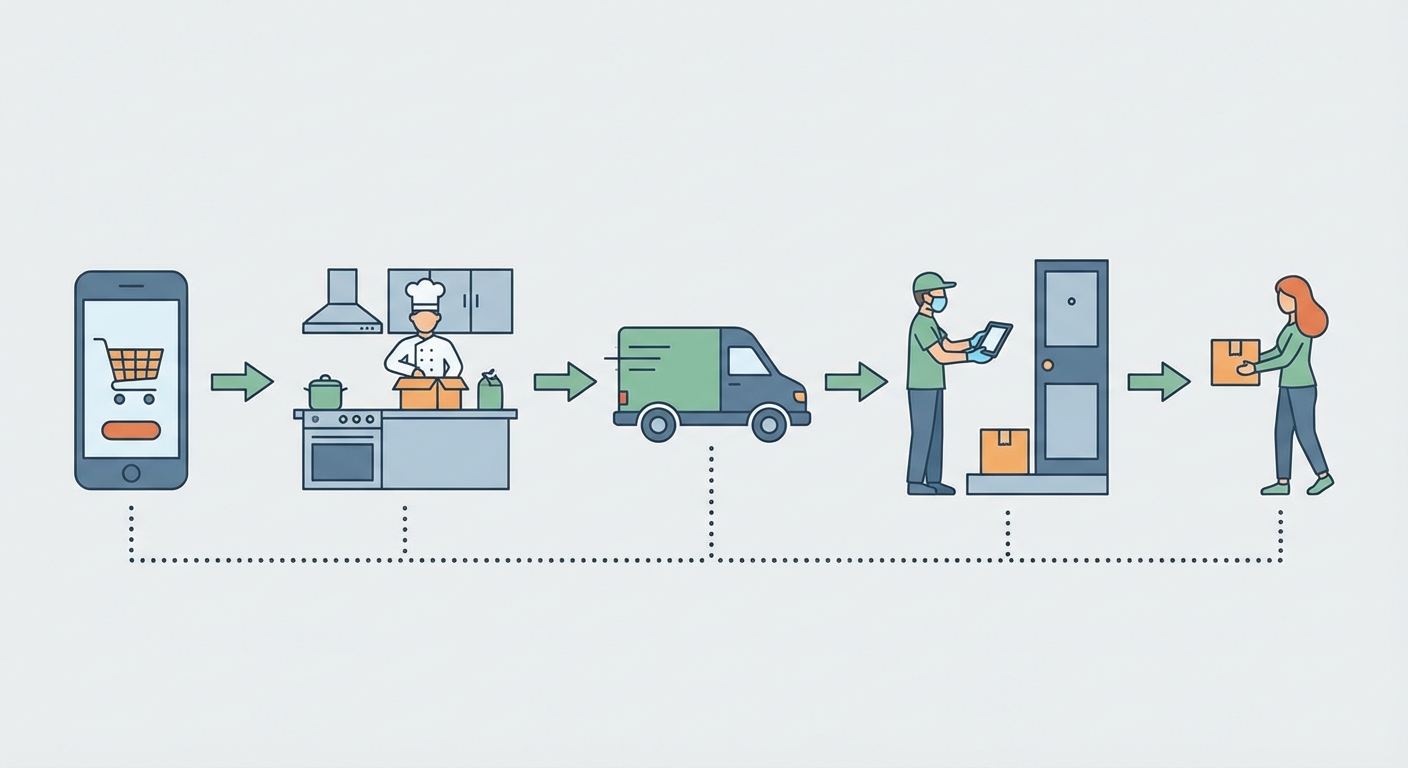
A truly professional contactless system isn't just about dropping a box on a porch and walking away; it’s about the data that follows that box. Managers often worry about missing steps, which is why modern systems use digital fail-safes. Here’s how the pro-level workflow actually looks:
1. Digital Ordering and Payment
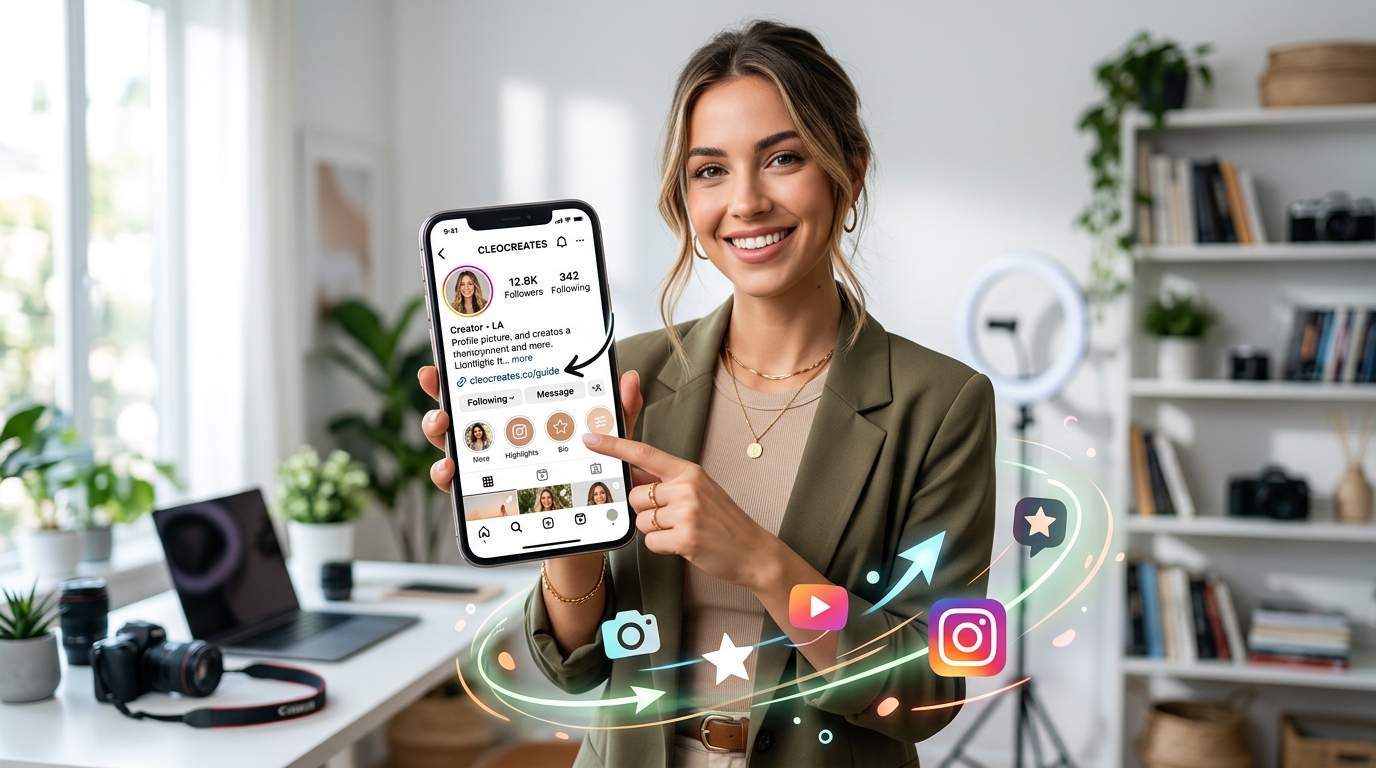
Everything kicks off online. Customers browse a digital menu, select their items, and pay through a secure link. Upfront payment is non-negotiable here. Interestingly, many savvy brands use a Link in bio for Instagram to funnel social media followers directly to their storefront, proving how powerful social commerce has become.
2. Special Instructions
During the checkout phase, the buyer leaves specific notes—something like, "Leave it by the blue planter" or "Front desk only." Modern apps use GPS to track the driver in real-time, so the customer knows exactly when their package has arrived without ever needing to open the door while the driver is present.
3. Proof of Delivery
Once the item is dropped, the driver snaps a quick photo. The system fires this image off to the customer immediately. This digital "paper trail" is the ultimate answer to the "where is my package?" question, keeping everyone—the brand, the driver, and the buyer—honest and protected.
Benefits for Businesses and Consumers
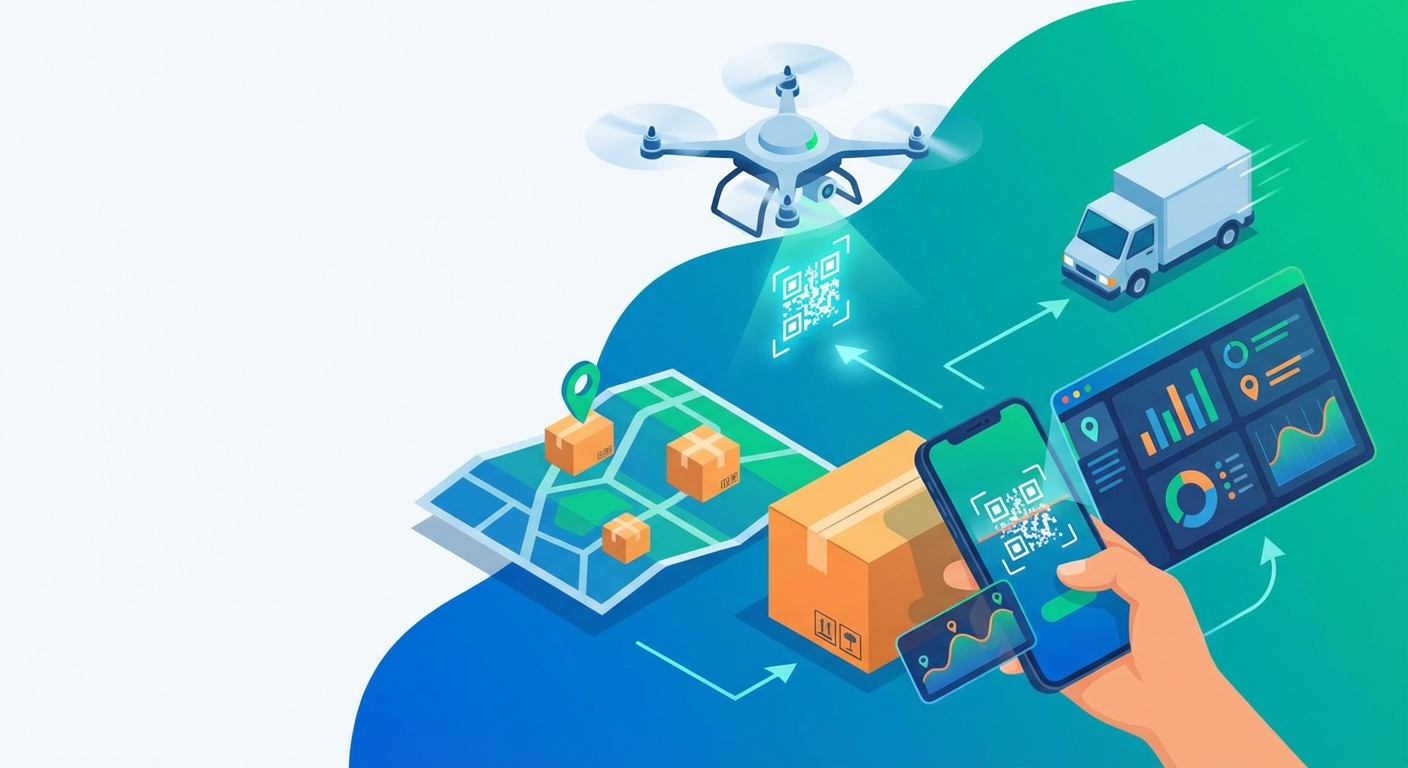
So, why bother with this model? It’s not just about health—it’s about building a faster, more reliable brand. Let's look at the perks:
- Efficiency Gains: Drivers aren't stuck waiting for someone to answer the door, meaning they can hit more stops in a single shift.
- Customer Convenience: In bustling hubs like Istanbul or London, people are busy. They want their stuff delivered without having to pause their Zoom call.
- Data-Driven Insights: Digital steps mean you're collecting real facts. You'll see exactly how long deliveries take and what your customers actually prefer.
- Modern Reputation: Using high-tech solutions signals that your business is professional and forward-thinking.
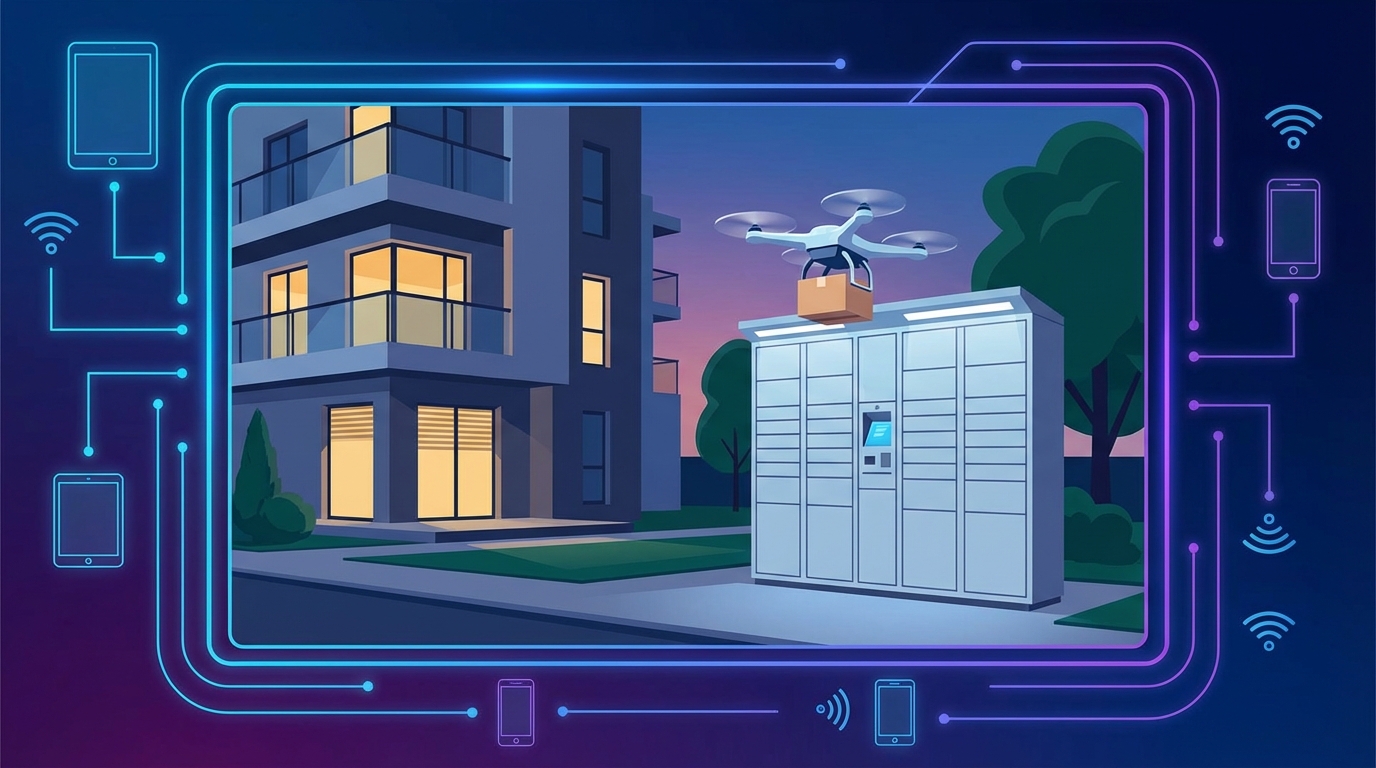
There's also a "green" side to this that people often overlook. Contactless systems often utilize smart lockers, which leads to fewer van trips and a smaller carbon footprint.
The Role of Dynamic QR Codes with Analytics
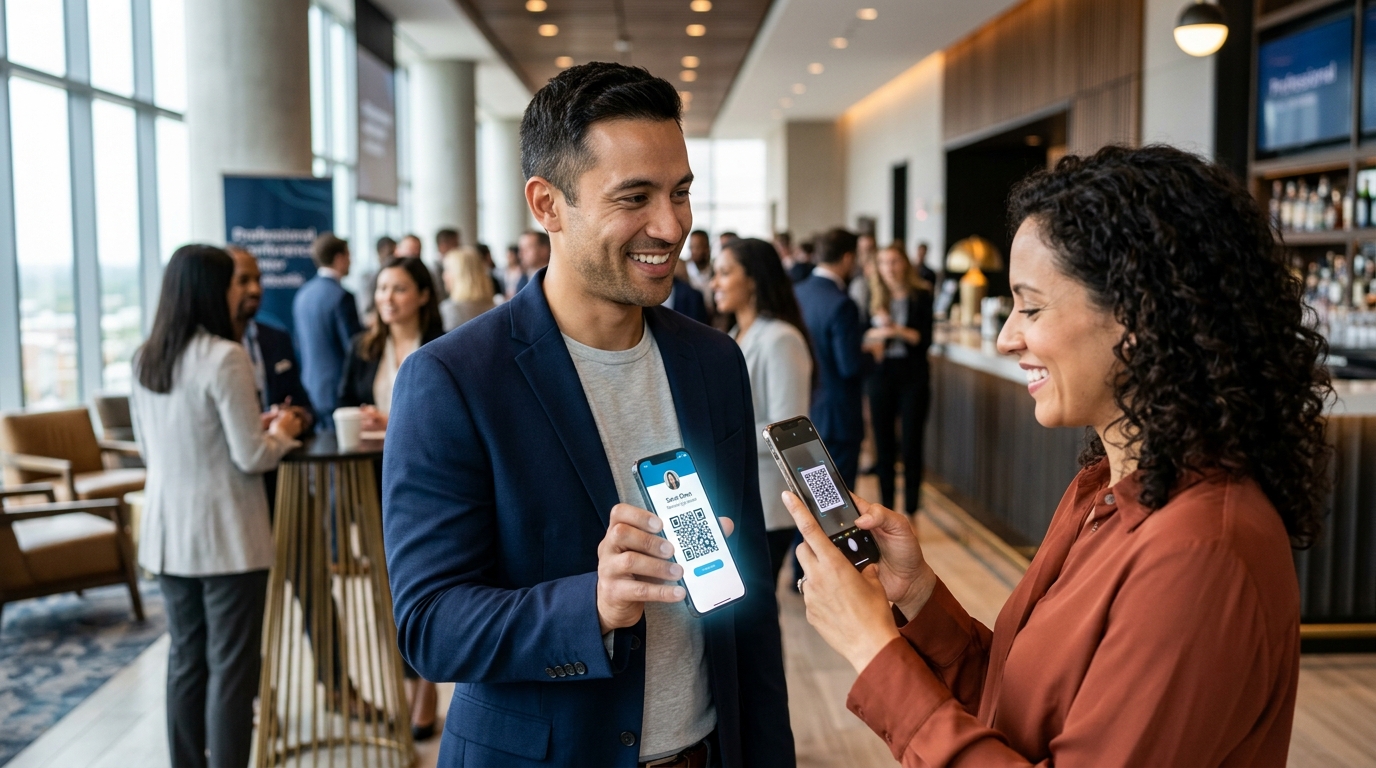
If you're in shipping, a Dynamic QR code with analytics is basically a superpower. Unlike the old-school static codes, you can change where a dynamic code points even after it's printed. Plus, they tell you exactly what your customers are doing—when they scanned it, where they were, and what device they used.
Imagine placing a Dynamic QR code right on the delivery box. When the customer scans it, they could see:
- A quick video tutorial on the product.
- An AI-powered chat for instant support.
- A feedback form to rate their experience.
- A direct link to join your loyalty program.
For a business owner, the "analytics" part is the real goldmine. It helps you tweak your service based on real-world behavior, turning a simple delivery into a potential second sale.
Instagram and Social Commerce: The Link in Bio Factor
Across Europe and Asia, social media has basically become the new mall. Instagram is a powerhouse for sales, but that "one link" limit in the profile is a notorious bottleneck. That’s why a high-performing Link in bio for Instagram is so vital. It’s the bridge that helps customers find what they need without the headache.
Think of a modern bio link as a mini-hub. It can host your Digital Menu, a booking calendar, or even an AI assistant to handle FAQs. By centralizing everything, you remove the friction that usually kills a sale. It tells the customer exactly what to do next.
Regional Trends: Turkey, Europe, and Asia
The way this tech is used changes depending on where you are. If you're looking to scale, these regional quirks matter.
Turkey
In Turkey, speed isn't just a preference—it's a requirement. In cities like Istanbul, customers expect things in minutes, not hours. They love real-time updates via WhatsApp, and businesses are increasingly using AI to answer that "where is my order?" question instantly.
Europe
In the EU, the focus shifts toward privacy and sustainability. You'll see a lot of deliveries heading toward smart lockers to reduce emissions. European buyers are also very conscious of their data, so secure, transparent shipping is a huge selling point.
Asia
Asia is the land of the "Super App." A single QR code often handles the entire transaction—the order, the payment, and the final drop-off notification. It’s a glimpse into a fully integrated future.
What Safety and Security Standards Should You Follow?
Security is the elephant in the room—how do you stop packages from walking away? The best approach involves secure drop-off zones and digital verification. Many modern buildings now offer camera-monitored delivery rooms. Instead of a signature, some firms send a one-time code (OTP) to the buyer’s phone. The driver enters the code to complete the delivery, ensuring the right person gets the goods without ever shaking hands.
What Does the Future of Delivery Look Like?
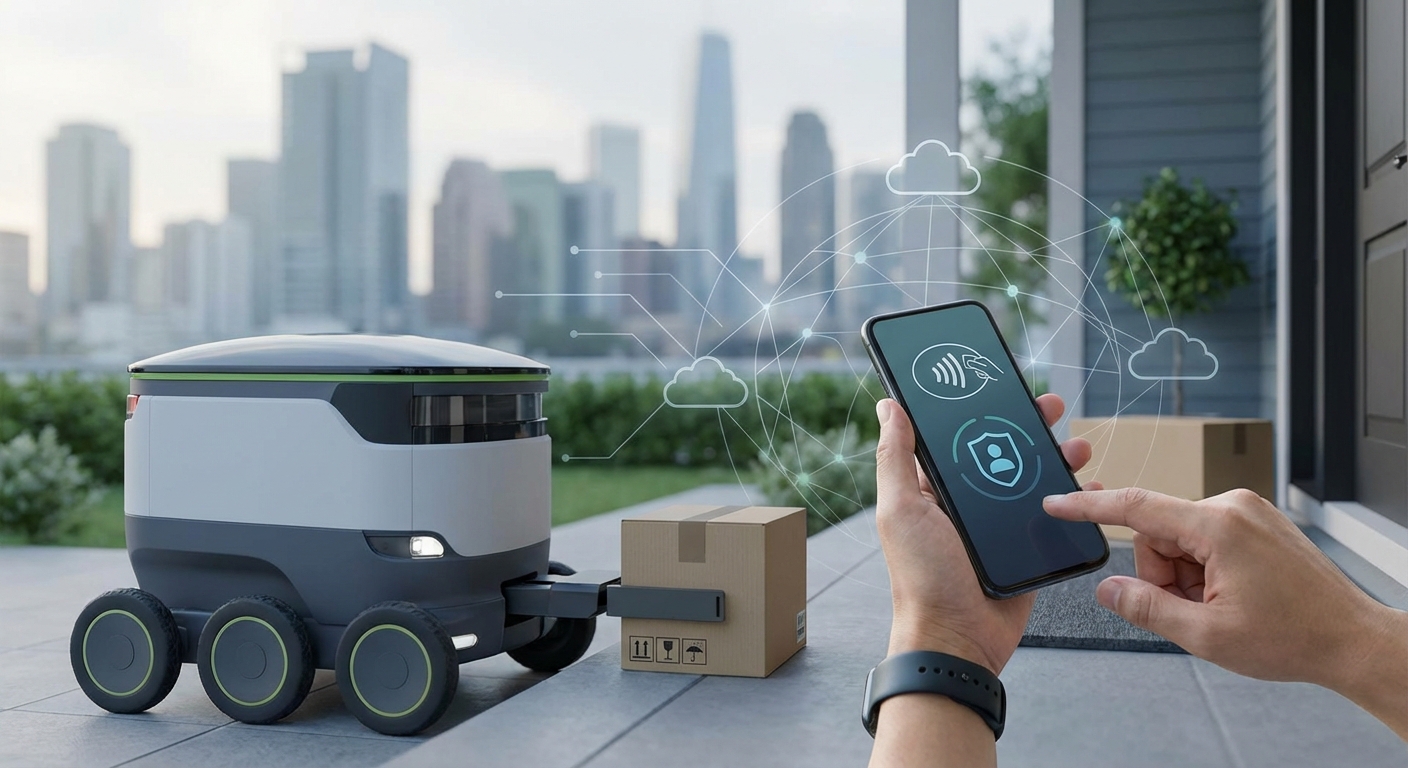
Looking toward 2026, robots are going to be a much bigger part of the conversation. In cities like Tallinn, sidewalk-roaming robots are already testing the waters for food delivery. Drones are the next logical step for rural areas. For business owners, this means lower overhead and even faster turnaround times for customers.
Implementing Contactless Solutions with Qret.me
Qret.me is designed to be your "Digital Twin," managing the heavy lifting of your shop while you focus on growth. Here’s a snapshot of how we help:
- Digital Catalog: Set up a QR menu so customers can order without touching a thing.
- Dynamic QR Codes: Use our Growth Engine to track your packaging and see what's working.
- AI Chatbot: Let AI handle the 2 AM customer questions so you don't have to.
- Booking System: Manage delivery slots with our Online Booking System.
- Auto-Reply: Automatically send your shop link to anyone who messages you on Instagram.
Leaning on an AI platform doesn't just make life easier; it builds customer loyalty and keeps your costs down.
The Bottom Line
Contactless delivery represents a massive shift in the merchant-customer relationship. By combining a Dynamic QR code with analytics with a strategic Link in bio for Instagram, you’re bridging the gap between digital convenience and physical goods. The future belongs to brands that use technology to make their customers' lives easier.
As you scale, look for tools that offer a "Digital Twin" approach to automate the boring stuff. Ready to give your business an upgrade? Start for free with Qret.me today—no credit card required.
Frequently Asked Questions
What is the main benefit of contactless delivery?
It’s all about speed and safety. It respects the customer's time and privacy while allowing the driver to work more efficiently. It's the standard for the modern, busy shopper.
What tech do I need to get started?
At minimum, you'll need an online storefront, digital payment processing, and a solid communication tool. We highly recommend a Dynamic QR code with analytics so you can actually track your delivery performance.
What's the point of a "link in bio"?
It acts as your digital storefront on social media. Instead of sending people to a generic homepage, it directs them exactly where they need to go—whether that's a menu, an order tracker, or customer support.
What happens if the customer isn't home?
The driver simply follows the pre-arranged instructions, leaves the package in the designated safe spot, and sends a photo as proof. The buyer gets an instant notification, so they know exactly when to pick it up.
Static vs. Dynamic QR codes: what's the difference?
Think of static codes as being written in ink—they can't be changed. Dynamic codes are more like a digital screen; you can update the destination link anytime and track every single scan for better data.