
What Is Contactless Delivery? The Ultimate 2026 Strategic Guide
What really makes a modern commerce strategy work? These days, it boils down to two things: smart digital tools and keeping customers safe. What started as a quick fix during a global health crisis—contactless delivery—is now a permanent cornerstone of global logistics. Across Turkey, Europe, and Asia, smart businesses are using it to shave minutes off delivery times, smooth out their back-end operations, and win over digital-first shoppers who value speed and convenience.
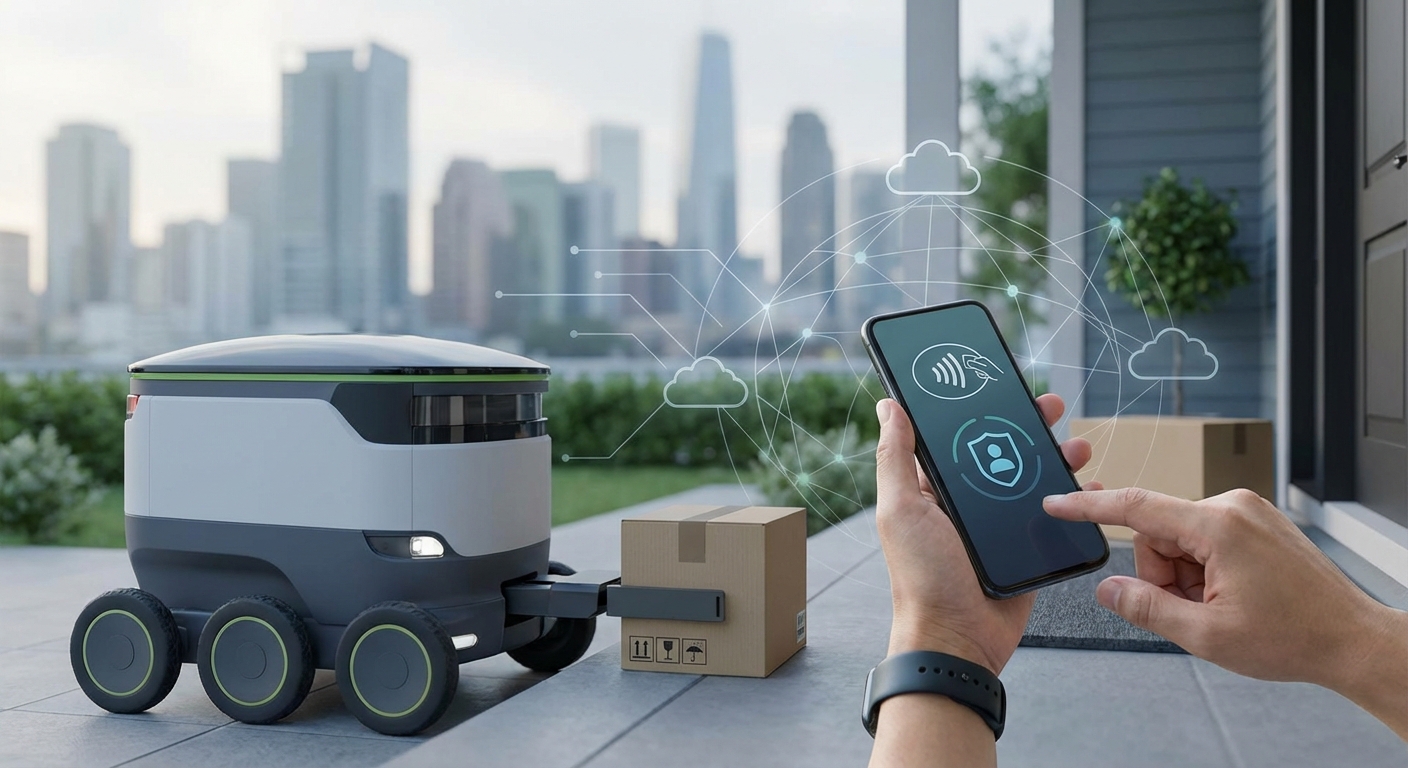
Put simply, contactless delivery is a way of dropping off orders—at a doorstep, a designated drop spot, or a secure locker—without any face-to-face contact between the driver and the customer. Instead of handing over a clipboard, everything from payment to drop-off confirmation is handled digitally using tools like dynamic QR codes or bio links.
Key Takeaways
- Zero-Contact Operations: It cuts out the physical handoff completely, keeping things incredibly clean, fast, and convenient.
- Digital Verification: Drivers use real-time photos, quick SMS alerts, and dynamic QR codes to prove a package arrived safely.
- Social Integration: By using customized landing pages, you can turn platforms like Instagram into direct ordering engines.
- Scalability with AI: Instead of spending hours coordinating drop-offs manually, smart digital assistants can handle it all 24/7.
What Is Contactless Delivery and How Does It Work?
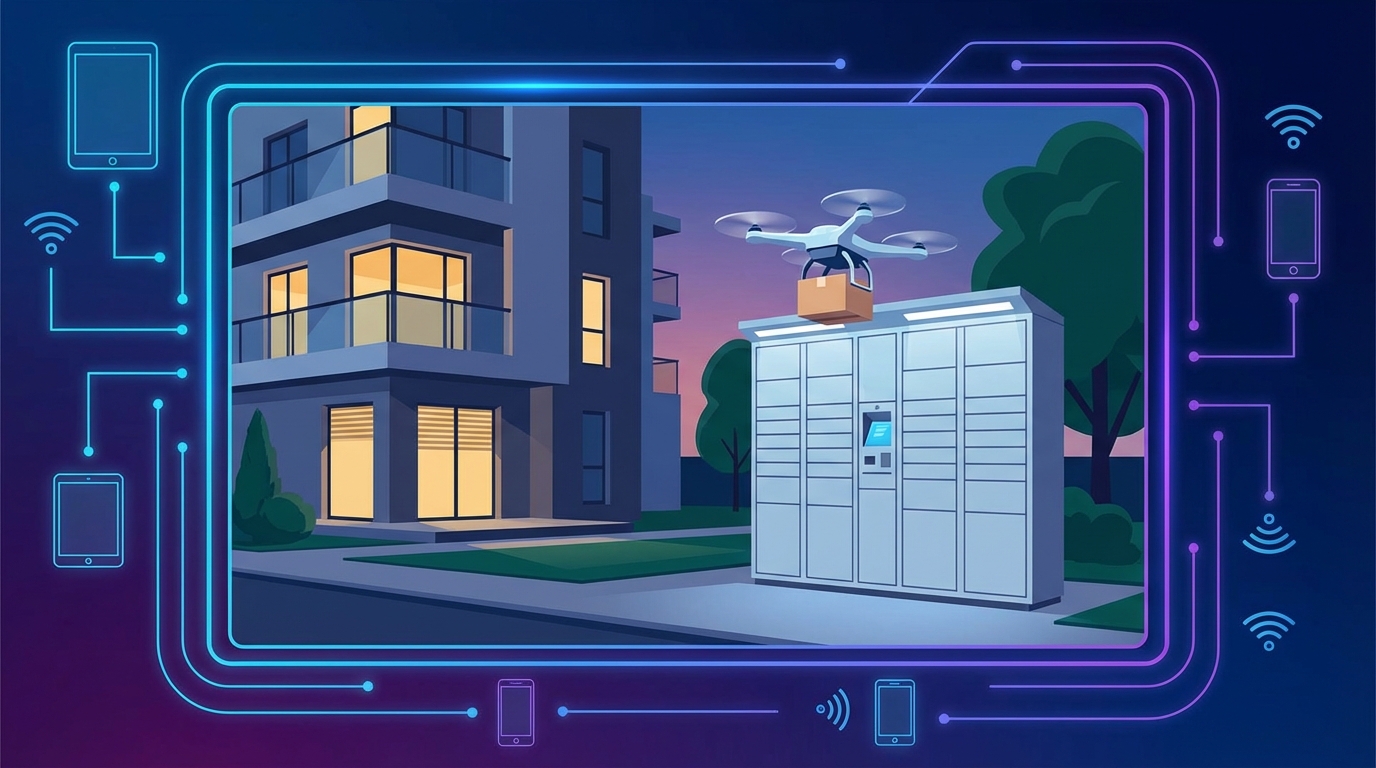
To really get how this system works, you have to look past the simple act of dropping off a box. Behind the scenes, contactless fulfillment is a beautifully synchronized digital dance. It all starts the moment someone places an order online. Rather than making shoppers wade through clunky, old-school checkout forms, smart brands point them toward sleek, customized catalogs or booking screens that cut out the administrative clutter right away.
Once the payment clears, the customer leaves specific drop-off instructions in a secure portal. When the driver pulls up, there's no doorbell-ringing drama. They simply leave the package on the porch or slip it into a secure locker. To wrap things up, the courier snaps a quick, geotagged photo or scans a localized barcode. Instantly, the customer gets a ping on their phone letting them know their package has arrived.
It turns out this isn't just about convenience, either. Research on contactless delivery logistics shows that removing these physical handoffs can cut courier idle times by as much as 30%. In bustling, high-density cities across Turkey and Europe, that kind of time-saving is an absolute game-changer for a business's bottom line.
How Do Businesses Benefit From Zero-Contact Logistics?
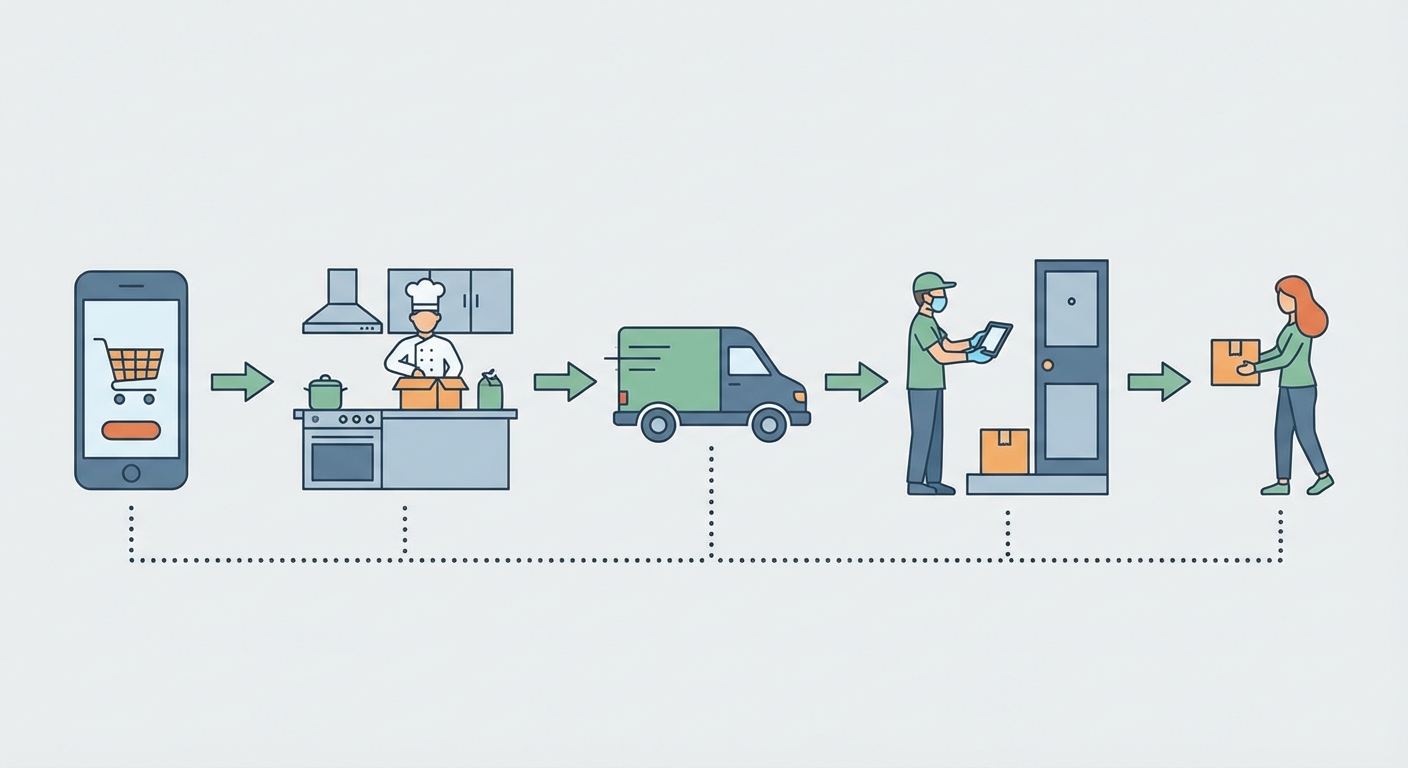
Let's be clear: setting up a contactless delivery system isn't just a leftover health habit—it's a massive operational win. When you strip away those unnecessary physical interactions, your delivery cycles get incredibly fast. Drivers don't have to stand around waiting for someone to answer the door, search for a pen to sign a clipboard, or fiddle with cash and card readers on the spot.
Another massive perk? It virtually puts an end to the "where is my package?" finger-pointing game. Since every single drop-off comes with concrete digital proof—like a quick photo confirmation or a scanned QR code—you always have a clear record of exactly when and where the item was left. This simple digital paper trail does wonders for protecting your margins and keeping customer relationships stress-free.
Why Integrate Your Delivery System with a Link in Bio for Instagram?
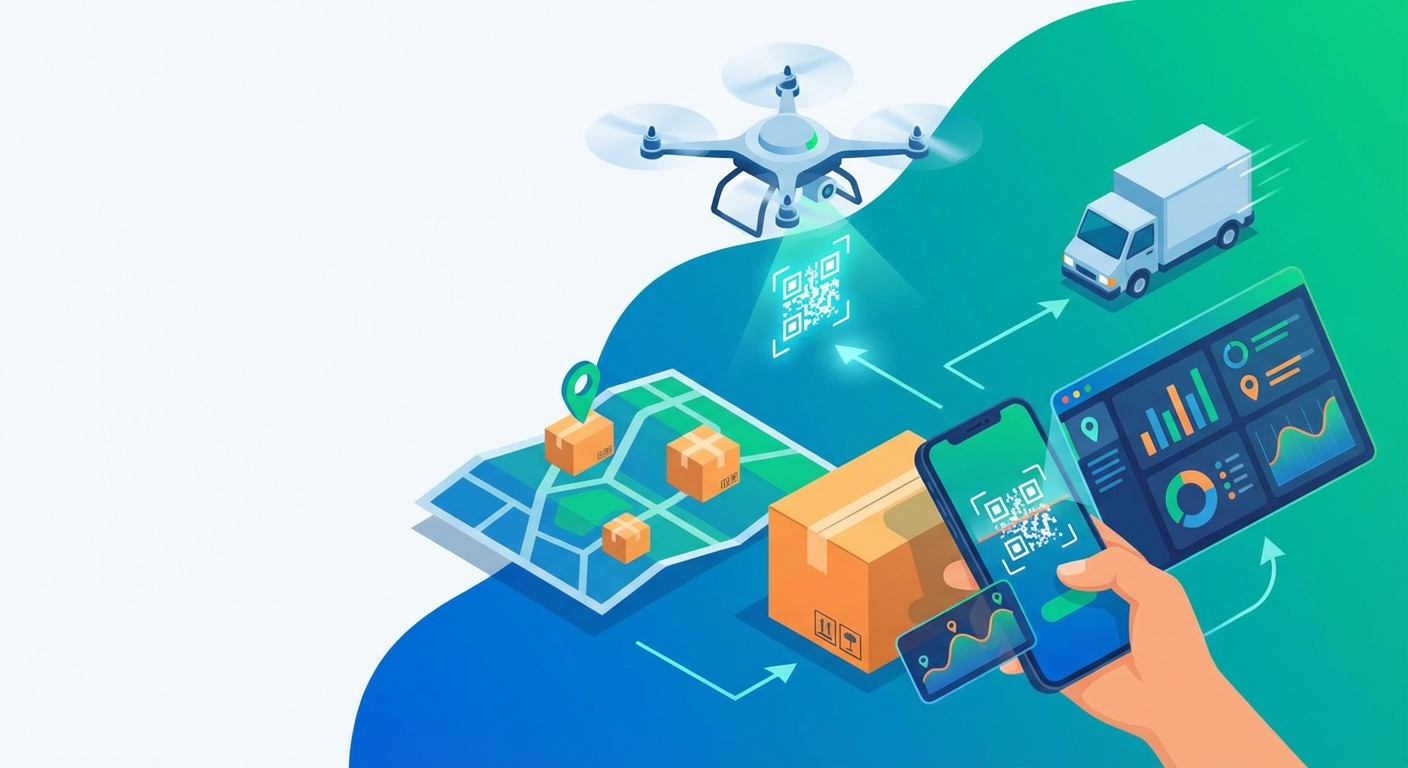
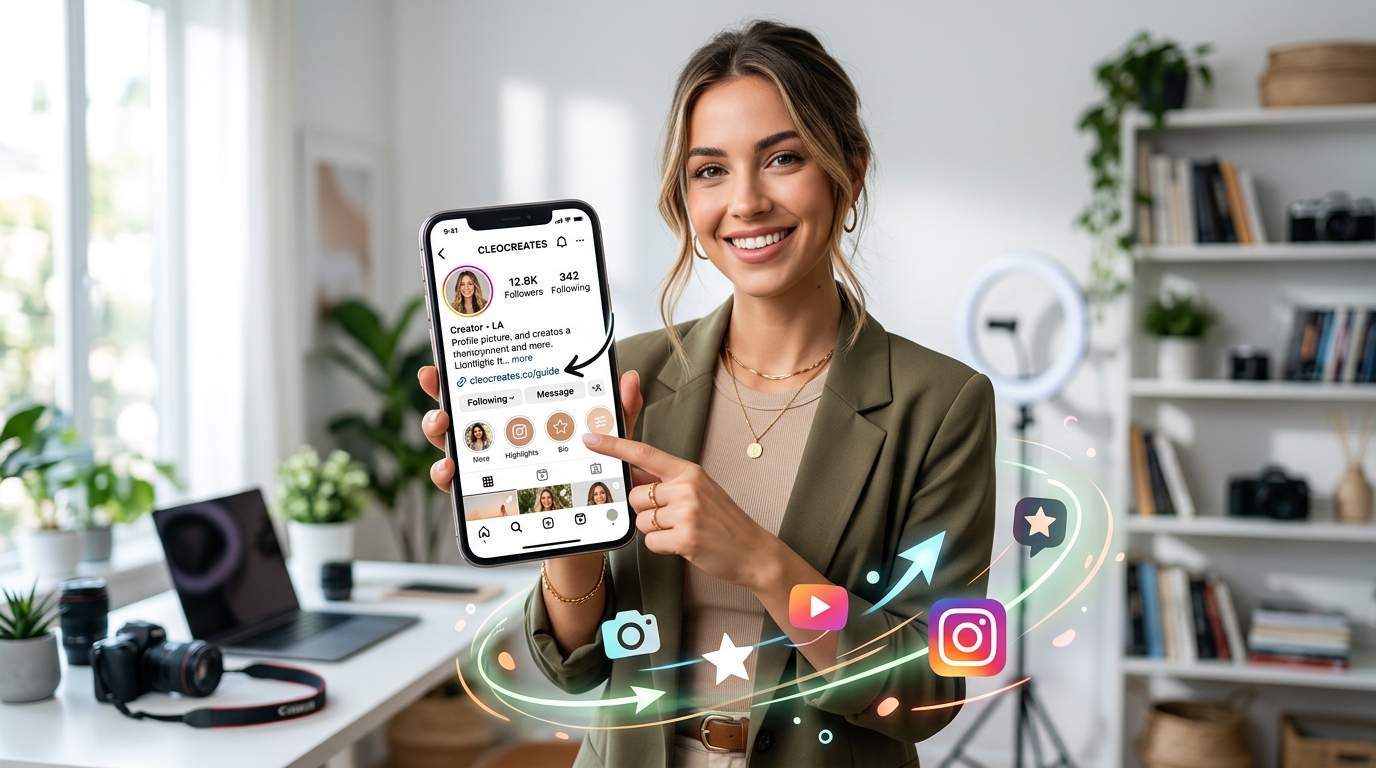
Social commerce is absolutely booming right now, especially across Asia and Europe. Let's face it: nobody wants to leave their favorite social feed just to struggle with a clunky, slow corporate website. That's why using a smart, high-performing Link in bio for Instagram is such a smart move—it turns your social profile directly into a smooth, revenue-generating checkout counter.
With a direct, clickable portal in your bio, your followers can browse your digital catalogs, flip through menus, and choose their delivery options in just a couple of taps. By eliminating those extra steps, you catch high-intent buyers right when their interest is highest. If you're a local restaurant, an independent creator, or a boutique shop, this one simple link serves as the welcoming front door to your entire delivery operation.
Maximizing Social Conversions
The moment someone taps that link in your profile, they should find exactly what they're looking for without having to hunt. Throwing in a clean, mobile-optimized catalog layout right next to an interactive booking tool makes buying incredibly simple—whether they're ordering dinner, grabbing merch, or scheduling a local home delivery. When you tie your checkout process directly to your social presence, you make buying from your brand an absolute breeze.
How Does a Dynamic QR Code with Analytics Improve Delivery Tracking?
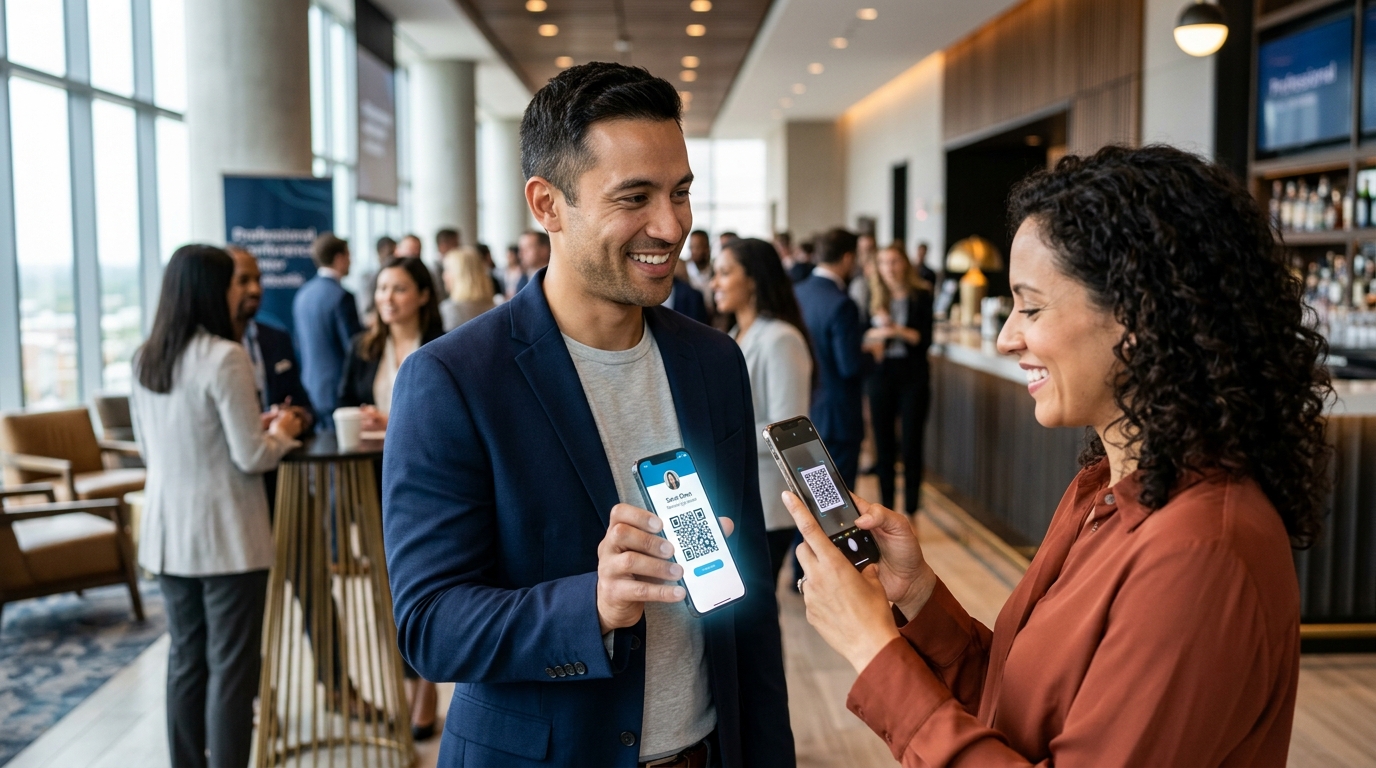
We've all seen old-school static QR codes, and honestly, they're incredibly limiting. Once you print them on a box or a flyer, you're stuck with that exact destination link forever—if your system updates, those prints go straight to the trash. That is why modern brands are switching over to a Dynamic QR code with analytics to run their packaging, mailers, and tracking receipts.
With dynamic codes, you can change where a link points whenever you want. Say you update your delivery tracking page or switch to a new online menu. Instead of reprinting thousands of boxes, you just swap the link in your dashboard and keep moving. The sheer amount of printing budget and stress this saves is hard to overstate.
The Power of Real-Time Analytics
But the real magic happens in the data. Every time a customer scans your dynamic QR code, you learn something useful—like where they're scanning from, what device they're using, and what time of day they're most active. For regional delivery networks, these insights are gold, helping managers spot high-demand neighborhoods and put drivers right where they're needed most.
Comparing Traditional, Contactless, and AI-Driven Delivery Models
How we move products from A to B has changed incredibly fast over the last few years. To give you a clear picture of where things stand, here is how old-school delivery methods stack up against modern contactless setups and the latest AI-driven logistics systems.
| Feature | Traditional Delivery | Contactless Delivery | AI-Driven & Smart Delivery |
|---|---|---|---|
| Physical Contact | Required (handoff & signature) | None (doorstep drop-off) | None (automated locker/autonomous) |
| Payment Processing | Cash, POS, or Pre-paid | Pre-paid Online Only | Automated Digital Wallets & In-App |
| Delivery Verification | Physical Signature | Photo confirmation / SMS | Dynamic QR Scan & Biometrics |
| Customer Support | Manual Phone Calls | Email / Support Tickets | 24/7 Conversational AI Agents |
Step-by-Step: How to Set Up Your Contactless Delivery Infrastructure
Moving your business over to a smooth, zero-contact delivery system doesn't mean you need a massive tech budget or an army of developers. If you have the right digital tools, you can get a fast, competitive delivery pipeline up and running in no time. Here are five simple steps to make it happen:
- Set up a simple mobile hub: Give your customers a clean, mobile-friendly landing page where they can easily browse, place orders, and choose how they want their items dropped off.
- Set clear ground rules: Make sure customers know exactly what to expect. Use your checkout page to explain how drop-offs work, how they'll get their photo confirmation, and why payments need to be made upfront.
- Put dynamic QR codes to work: Stick trackable QR codes directly on your bags or boxes. This lets customers jump straight to live support, digital menus, or reordering pages with one scan.
- Automate your everyday customer questions: Save your team's sanity by using smart, automated tools to handle basic tracking inquiries, FAQs, and delivery status updates.
- Track, learn, and tweak: Keep an eye on your scan rates, delivery spots, and customer comments so you can keep optimizing your routes and schedules over time.
Optimizing Contactless Workflows with Qret.me
At the end of the day, the last thing you want is a messy, expensive stack of different software subscriptions that don't talk to each other. While older tools only give you simple, static links, Qret.me serves as an all-in-one, AI-powered digital presence platform. Think of Qret as your business's online double, pulling together landing pages, smart sharing tools, and messaging automation into a single, straightforward dashboard.
Using Qret.me, you can quickly build high-converting Bio Link Pages with responsive, drag-and-drop layout blocks, custom designs, and catalog features. This means your customers get a beautifully clean booking and checkout experience right inside your Instagram profile. There's no need to push them to three different external websites just to finish a simple transaction.
If you need contactless menus, Qret's Digital Menu lets you build live catalogs packed with interactive features. These hook up effortlessly with trackable Dynamic QR Codes, meaning your team can keep tabs on scan data, swap out destination links on the fly, and use real-time metrics to keep your local delivery routes running smoothly.
On top of that, Qret's AI chatbot works around the clock using your actual business profile, FAQs, and shipping rules. It acts as an instant customer service rep, answering delivery questions, update requests, and product details 24/7 so your team doesn't have to watch the inbox all night.
Ready to make your delivery setup easier, build high-performing bio links, and let AI handle your customer chats? Create your free Qret.me account today and start growing your brand—no credit card required.
Frequently Asked Questions
What is contactless delivery and how does it secure transactions?
It's a drop-off method that keeps things secure by moving 100% of the financial transaction online before the driver even leaves. Because customers pay via credit cards, digital wallets, or secure bank transfers during checkout, drivers don't have to carry cash or pass physical card readers back and forth at the door.
How can I track my contactless shipments without calling support?
Most modern services print dynamic QR codes directly on your receipt or packaging. Just point your phone's camera at the code, and it'll open an auto-updating tracking page showing exactly where your driver is. Plus, integrated AI tools can send these updates automatically through SMS or social media chat windows.
Can small retail businesses implement contactless delivery affordably?
Absolutely. You don't need custom enterprise software anymore. Platforms like Qret.me let independent shops put together custom bio links, online catalogs, dynamic QR codes, and automated customer chat helpers all in one budget-friendly dashboard.