

7 Essential Metrics for a Dynamic QR Code with Tracking to Scale Your Brand
We’ve moved way past the days when QR codes were just an aesthetic afterthought on a business card or a flyer. Nowadays, they're sophisticated gateways—tools that bridge the gap between a physical interaction and a deep dive into data. From the vibrant markets in Istanbul to the fast-paced tech hubs across Europe, businesses aren't just asking for visibility anymore; they’re demanding transparency. They need to see exactly how their marketing dollars are working in the real world. This is precisely where a dynamic qr code with tracking becomes the most powerful asset in your marketing toolkit.
Think of it this way: static codes are hard-coded and permanent once they hit the printer. But a dynamic code? That’s where the magic happens. You can swap out the destination URL whenever you want without reprinting a single page. More importantly, you get a front-row seat to dynamic qr code analytics. Whether you’re fine-tuning a Link in bio for Instagram for a lifestyle brand or keeping a high-traffic Contactless ordering system running for a restaurant chain, the data behind those scans is what separates growth from guesswork.
If you aren't already using a Dynamic QR code with analytics, you're basically flying blind. Sure, you might see that people are scanning, but do you know who they are, when they're most active, or what actually makes them click? By switching to a dynamic qr code with tracking, you can stop crossing your fingers and start making moves based on hard evidence. We're going to break down the seven metrics that will help you sharpen your strategy and scale your brand with confidence.
1. Total Scans vs. Unique Scans: Understanding Your Reach
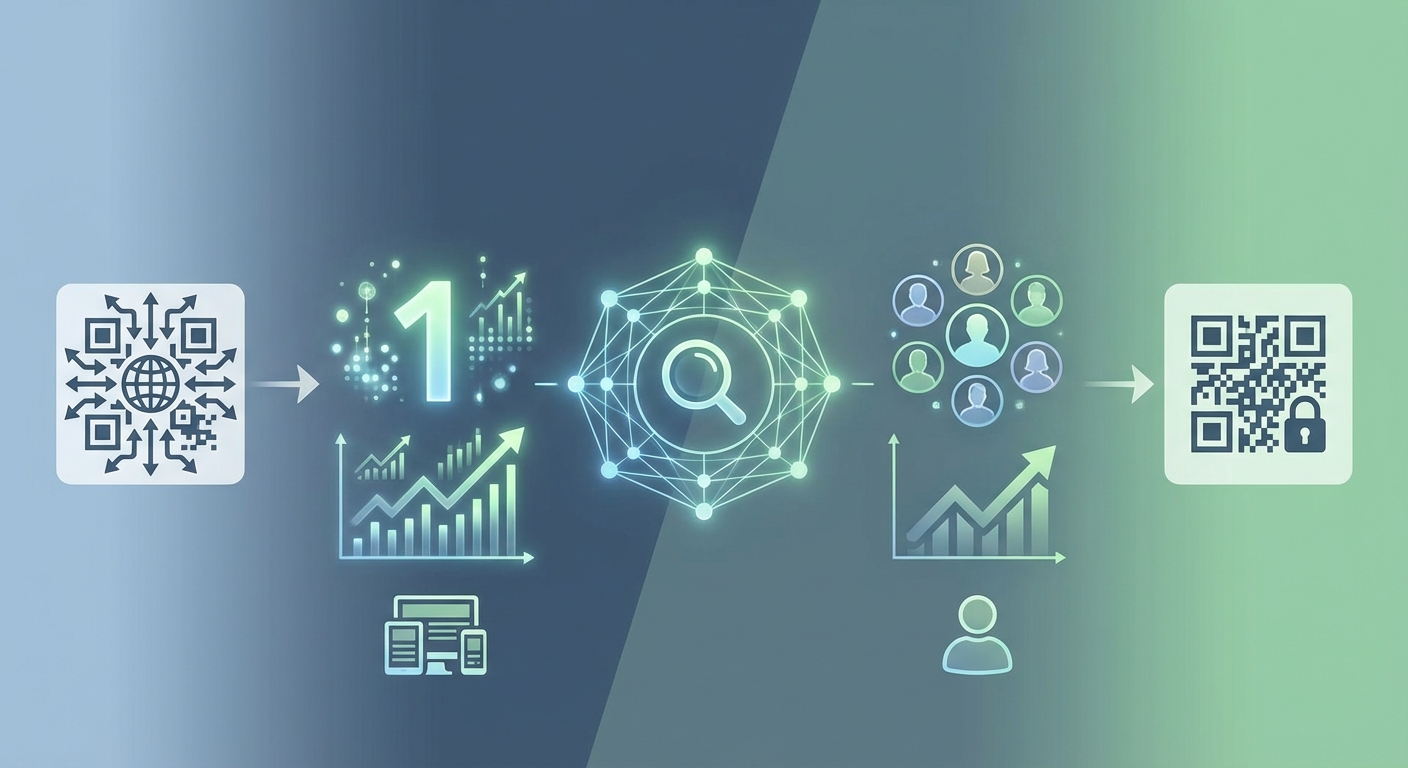
The first number most people check is the scan count. But here's the catch: looking at total scans by themselves can be a bit of a vanity metric. Total scans count every single time that code was activated. While a big number looks great on a report, it doesn't always tell you how many people you're actually reaching. When you use a dynamic qr code with tracking, you can finally see the difference between raw engagement and your actual unique reach.
Unique scans are your real KPI for brand awareness. This metric filters out the noise—like one person scanning the same code five times—to show you how many individual humans interacted with your brand. Imagine a guest at a cafe using a Digital Menu; they might scan it to see the food, again to order a drink, and one last time to pay. That's three total scans, but only one unique scan. High repeat scans mean your content is useful or engaging, while a high unique count means your top-of-funnel marketing is actually working.
Why Unique Scans Matter for Growth
If you're looking to grab new customers, focus on those unique scans. If you're trying to boost the lifetime value (LTV) of the people you already have, keep an eye on repeat scan rates. By digging into these numbers through dynamic qr code analytics, you can decide whether you need to attract fresh faces or offer more value to your loyal regulars.
2. Real-Time Geographic Location Data

Knowing where your audience is physically located is a game-changer. A dynamic qr code with tracking gives you geographic data in real-time, showing you exactly where people are when they engage with your brand. Advanced dynamic qr code analytics can break this down by country, state, and city based on IP addresses—all while staying privacy-compliant, of course.
Let’s say you’re a brand in Istanbul trying to grow across Europe. By using a specific code on an international campaign or your Link in bio for Instagram, you can see which cities are actually biting. If you see a sudden spike in Berlin or London, you can instantly shift your ad budget toward those areas. This kind of insight validates your physical ads—like billboards or posters—so you aren't just throwing money at a map and hoping for the best.
3. Temporal Engagement: Analyzing Time and Date Patterns
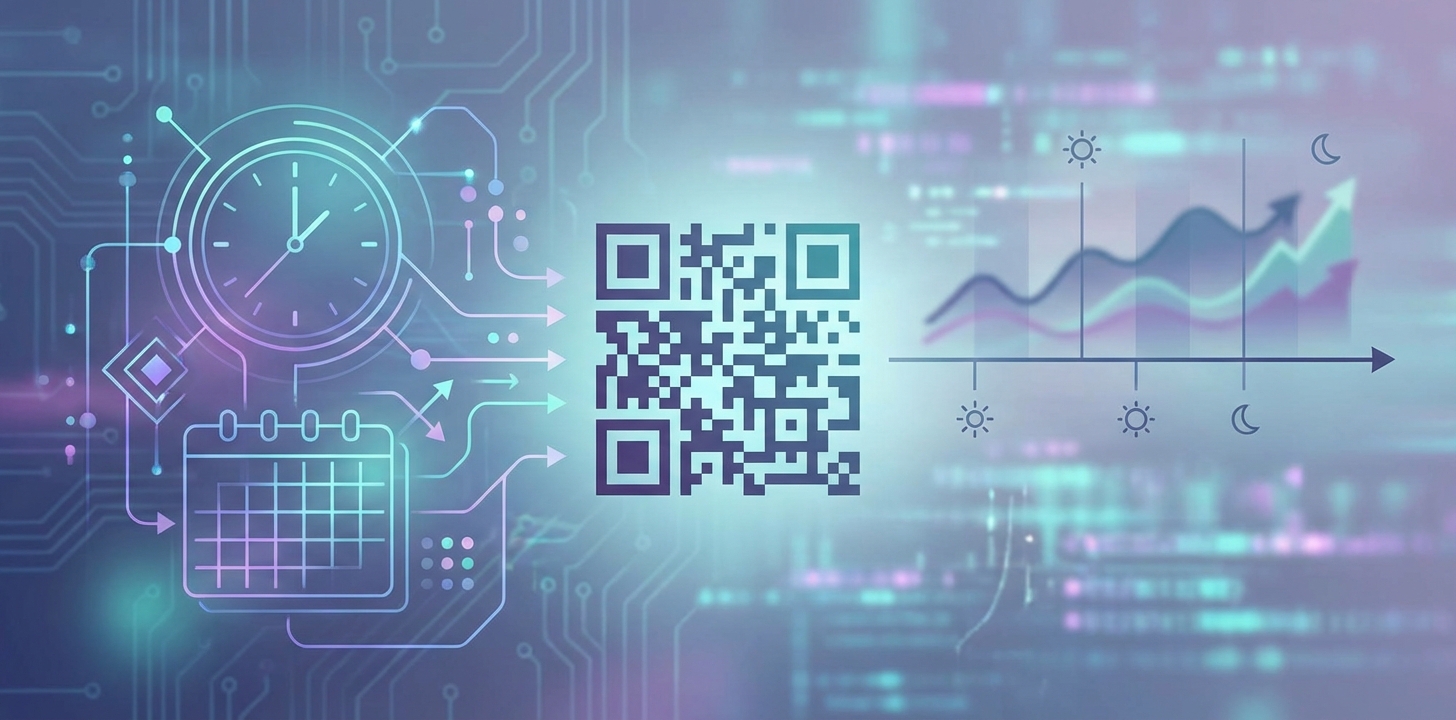
Timing isn't just a detail; it's everything. Knowing when your audience is most active lets you time your promotions so they land right when people are ready to buy. A dynamic qr code with tracking logs the exact hour and day of every scan, creating a heatmap of activity that’s incredibly useful for planning.
For anyone running a Contactless ordering system, this data is pure gold. You might notice your peak scanning happens on Friday nights between 7:00 PM and 9:00 PM. With that info, you can staff up for the rush or even set up automated "Happy Hour" deals that only show up on the landing page during those specific hours. Conversely, if Tuesdays are slow, you can use your dynamic qr code analytics to test a "Morning Perk" discount to get people through the door. It turns a simple link into a strategic scheduling tool.
4. Device Type and Operating System Insights
The tech your customers use has a huge impact on how they experience your brand. Your dynamic qr code with tracking should show you if people are scanning with an iPhone, an Android, or a tablet—and even which browser they’re using.
This is vital for your Link in bio for Instagram. If 90% of your traffic is on the latest iOS, that landing page better be pixel-perfect for Safari. But if a huge chunk of your audience is using older Android models on slower connections, you need to make sure your Contactless ordering system loads instantly and stays lightweight. Using a Dynamic QR code with analytics to understand these technical details means fewer frustrated users and more conversions.
5. Referral Source and Placement Attribution
One of the coolest things about a dynamic qr code with tracking is the ability to track different placements separately. You can set up multiple codes that lead to the same place but have their own tracking IDs. Put one on a business card, one on a window, and one on the product packaging itself.
This gives you perfect attribution. By checking your dynamic qr code analytics, you can see which physical spot is doing the heavy lifting. You might find out that your cheap flyers in the local coffee shop are actually outperforming your expensive magazine ads. This kind of clarity lets you cut the dead weight and double down on what’s actually driving ROI. It’s the ultimate bridge between your offline and online worlds.
6. Post-Scan Conversion Rates
A scan is a great start, but let's be real: it’s not the end goal. You want a purchase, a sign-up, or a booking. To really scale, you have to link your dynamic qr code with tracking to your actual conversion funnel. By using UTM parameters or tracking pixels, you can follow the user from the moment they scan to the moment they finish the transaction.
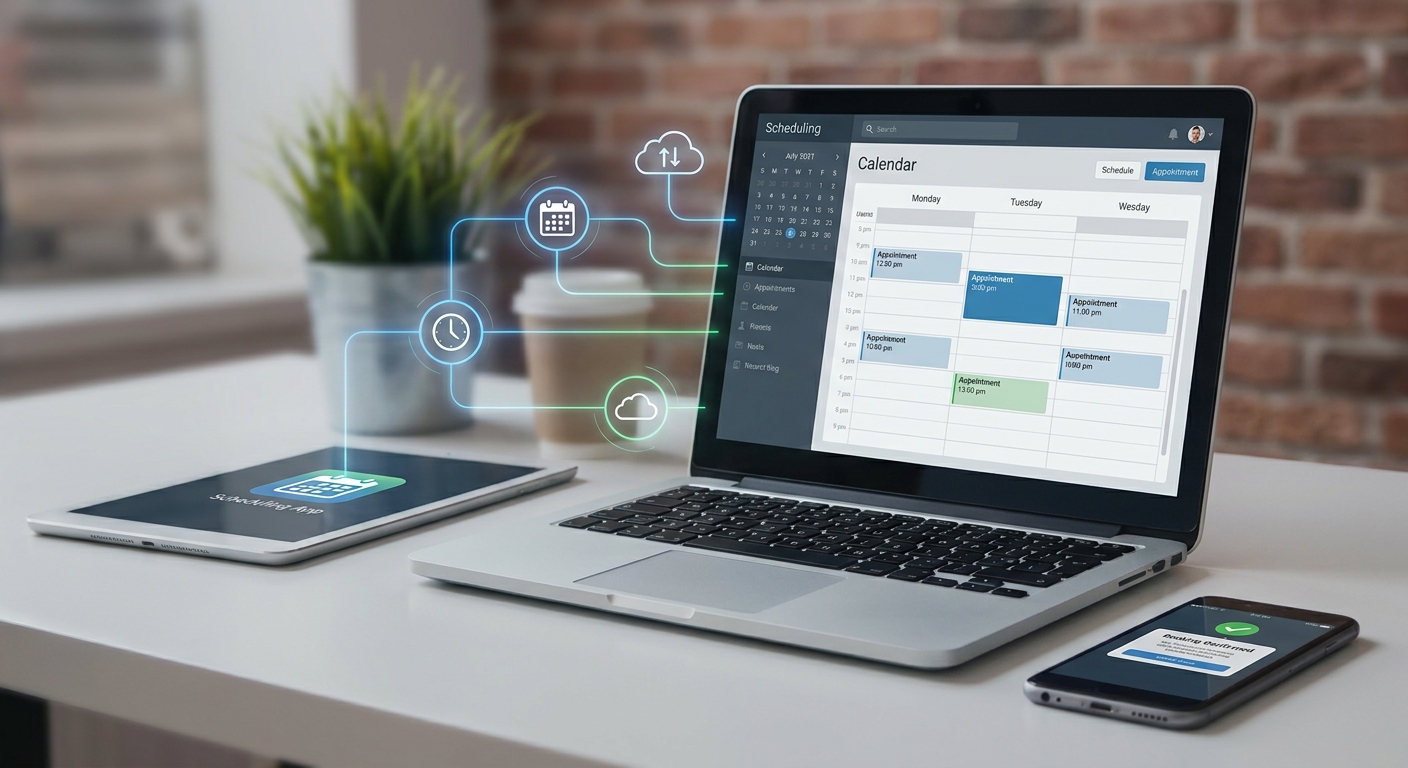
If you're using an Online Booking System, you can track the path from "Scan" to "Appointment Confirmed." If you see lots of scans but no orders in your Contactless ordering system, something is wrong—maybe the menu is too confusing or the checkout takes too long. This metric highlights exactly where you're losing people. For more on keeping your strategy fresh, take a look at our thoughts on QR code marketing trends in 2024.
7. Social Media Interaction and Engagement
For brands living on social media, the Link in bio for Instagram is the heart of the operation. But many brands have no idea what happens once someone clicks that link. A dynamic qr code with tracking lets you see which specific buttons—like your TikTok link or your WhatsApp chat—are actually getting clicked.
This helps you clean up your social strategy. If your dynamic qr code analytics show that "New Arrivals" gets 80% of the clicks, move that button to the top. This data-driven approach to social media makes sure you’re giving people what they want, leading to better engagement and a tighter community. If you want to see how this looks in action, check out our modern Link in bio solutions.
How Qret.me Simplifies Your Data Strategy
Trying to juggle seven different metrics across a dozen campaigns can get overwhelming fast. That’s why we built Qret.me—to take the complexity out of a dynamic qr code with tracking. It’s a centralized dashboard where all your Dynamic QR code with analytics live together in one easy-to-read spot.
With Qret.me, you’re not just getting a QR code; you’re getting a Growth Engine. Our platform lets you track unique scans, locations, and device types in real-time with charts that actually make sense. For hospitality businesses, our Digital Menu and Contactless ordering system create a seamless loop for both you and your guests. You can track the entire customer journey from the first scan at the table to the final payment, all through a single dynamic qr code with tracking.
The Future of QR Analytics: Why Dynamic is the Only Choice
Looking ahead, the mix of AI and machine learning is going to make dynamic qr code analytics even more predictive. Soon, you’ll be able to anticipate surges in traffic before they happen. If you’re still using static codes, you’re essentially leaving money on the table. A dynamic qr code with tracking isn't just for the big players anymore; it’s a basic requirement for any brand that wants to stay relevant today.
By mastering these seven metrics, you can sharpen your products, save on marketing, and give your customers a better experience. Being able to pivot based on real data is the best competitive advantage you can have.
Conclusion
In 2024, data is the currency that matters. A dynamic qr code with tracking is your direct line to that data, giving you insights that used to be impossible to get from physical marketing. From tracking unique reach to analyzing device types and conversions, these dynamic qr code analytics are the key to scaling your brand.
Whether you're managing a Link in bio for Instagram or a full-scale Contactless ordering system, tools like Qret.me give you the control you need. Stop guessing about your results and start using tracking to drive them. The transparency you get won't just save you money—it'll help you build a brand people actually stick with.
FAQ
What is the difference between static and dynamic QR codes?
Static codes are set in stone; you can't change the link or track the data. A dynamic qr code with tracking uses a redirect, which means you can update the destination whenever you want and get dynamic qr code analytics like scan counts, locations, and more.
Can I track scans in real-time?
Absolutely. Platforms like Qret.me give you live updates. You’ll see your dynamic qr code with tracking data the second someone scans, so you can make adjustments on the fly.
How does this help my Instagram bio?
Using a Link in bio for Instagram with tracking lets you see which links your followers actually care about. Instead of guessing, you can prioritize the content that drives the most engagement or sales.
Is a dynamic qr code with tracking secure?
Yes, it is. Professional platforms handle dynamic qr code analytics with privacy laws like GDPR in mind. Plus, you can password-protect dynamic codes or set them to expire—something static codes just can't do.
Ready to start growing with real data? Try Qret.me for free today. Set up a professional dynamic qr code with tracking and see what advanced analytics can do for you—no credit card required.