
Best Dynamic QR Code Regeneration (Menu Update Without Reprinting) Software in 2026
The best QR code menu software for small restaurants features dynamic QR code regeneration (menu update without reprinting). This technology lets operators modify prices, ingredients, and daily specials instantly. Best of all, you don't need to replace physical table stickers. This saves thousands in printing costs annually while keeping the dining experience smooth and professional.
Key Takeaways for Small Restaurant Operators
- Dynamic is Non-Negotiable: Static QR codes are obsolete. Always choose software supporting instant, on-the-fly digital menu updates.
- Design Freedom Matters: Canva-style menu editor vs. template-locked builders can make or break your restaurant's unique visual identity.
- POS Integration Saves Labor: Direct synching with Toast POS and Square POS eliminates double-entry menu management.
- Save on Localization: Choose tools that support direct multi-language toggles to serve global tourists in Europe, Turkey, and Asia.
Why Dynamic QR Code Regeneration Is Critical
Running a small restaurant in Istanbul, Paris, or Tokyo is a constant battle against thin profit margins. When you're managing tight numbers, having to print fresh paper menus just because of a minor typo or a price tweak is a logistical nightmare. Every time an ingredient runs out or inflation forces you to bump up prices, those printing costs take a bite out of your cash flow. That's why dynamic QR code regeneration (menu update without reprinting) has become an absolute lifesaver behind the scenes.
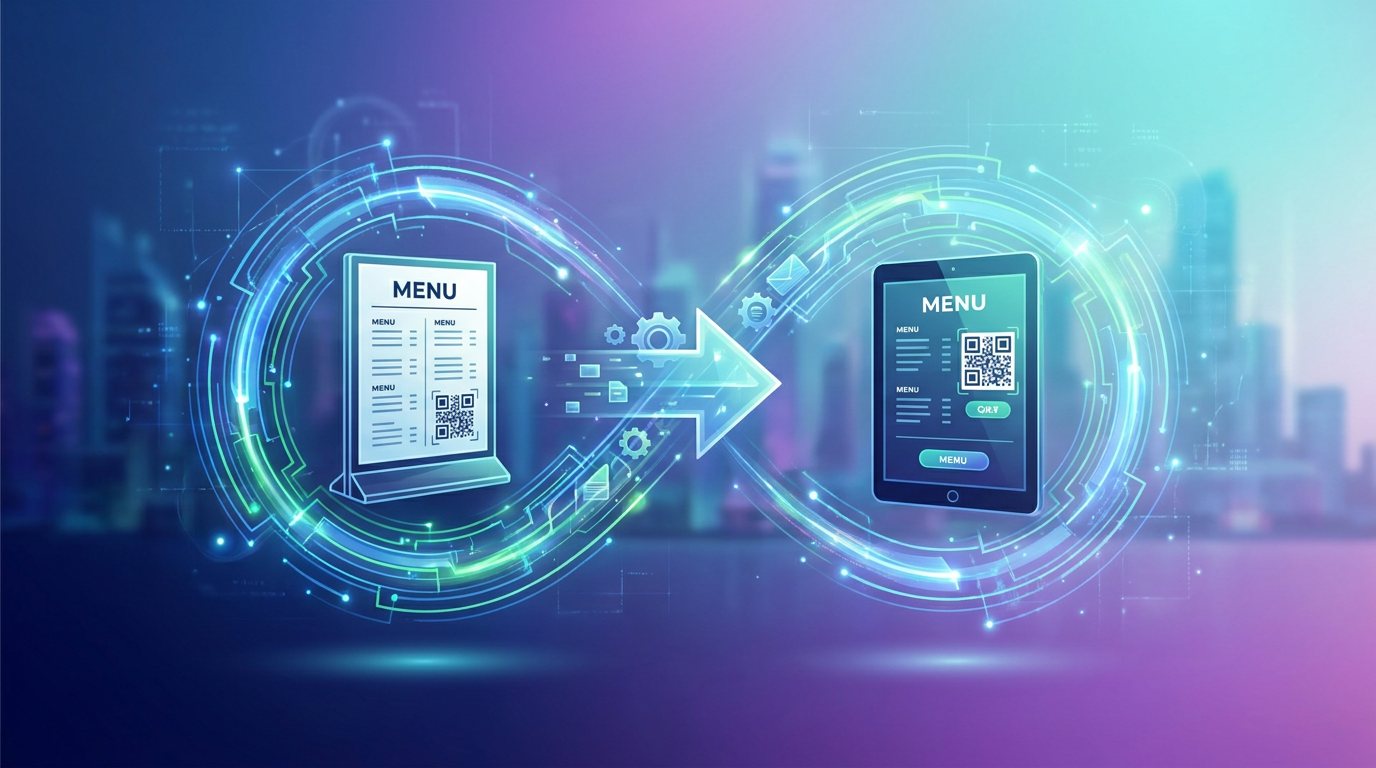
Think of it this way: static QR codes hardcode a specific website link directly into their pixel pattern—meaning if that link changes, the code is dead. On the flip side, a dynamic QR code acts as a flexible routing link. You can completely redesign your digital menu layout behind the scenes, yet the physical QR code stickers on your tables stay exactly the same. You won't have to scrape off old stickers or order expensive new laminates just to change the price of your pasta dish.
To keep things running smoothly, modern digital menus should follow the World Wide Web Consortium (W3C) standards for accessibility and mobile responsiveness. Fast-loading, responsive digital menus make life easier for all your guests, regardless of what phone they use. It's also worth remembering that the World Health Organization (WHO) stresses the importance of clear public health information—and that extends to showing accurate ingredient and allergen details on your dynamic menus to keep diners safe.
Canva-style menu editor vs. template-locked builders
When you're shopping around for a menu platform, you'll generally find yourself choosing between two camps: a Canva-style menu editor vs. template-locked builders.
- Canva-Style Editors: These give you full creative control with drag-and-drop elements. Want to swap photos, experiment with fonts, or add custom branding? It's incredibly easy—ideal for creative bistro owners who want a highly tailored look.
- Template-Locked Builders: These keep you within pre-defined layout grids. While you can't go wild with customization, they keep menus looking clean and load incredibly fast. That speedy loading time is crucial for meeting mobile performance benchmarks when customers have spotty connection.
The Best QR Code Menu Software for Small Restaurants
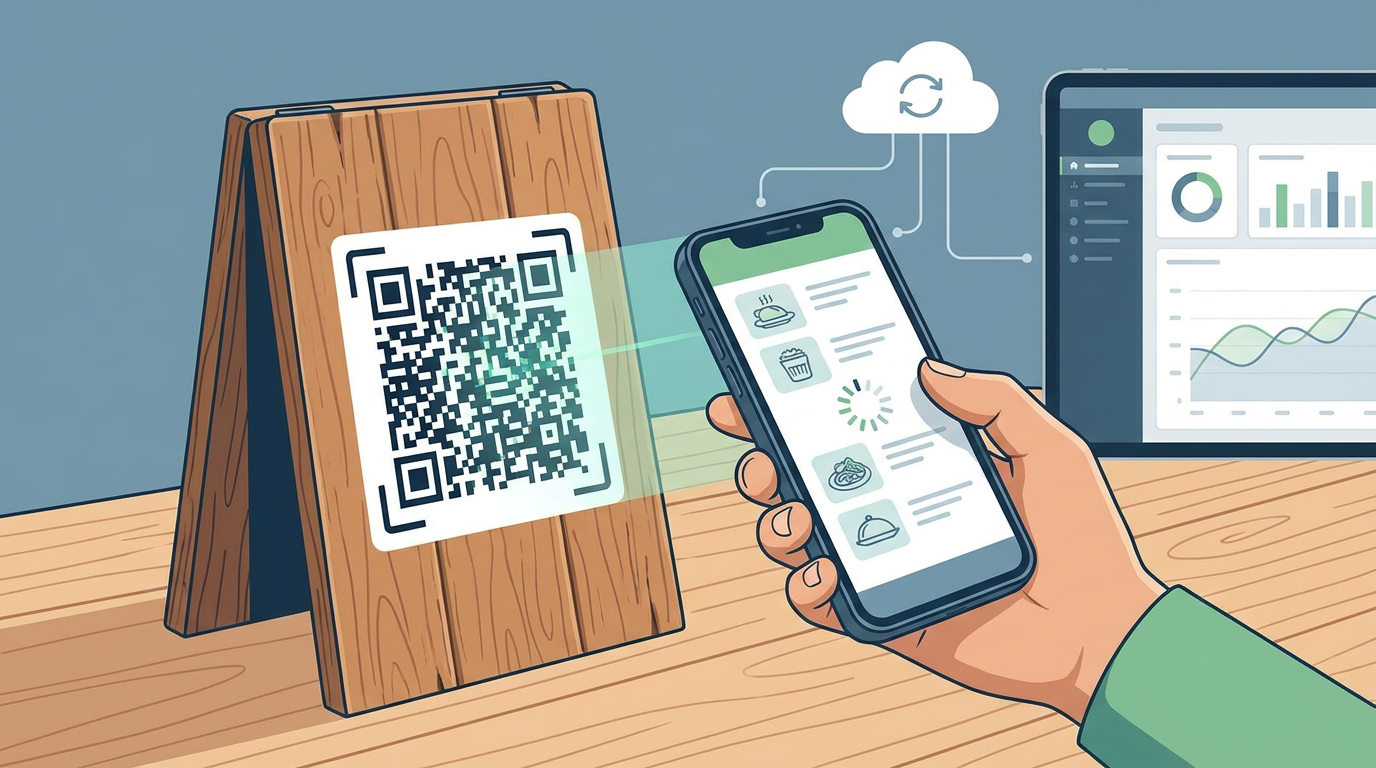
We did the legwork and analyzed the top QR menu platforms for 2026, keeping our focus squarely on small operators in Turkey, Europe, and Asia. We paid close attention to how they handle dynamic QR code regeneration (menu update without reprinting), their real-world costs, and how easy they are to use on a busy Friday night.
| Software | Ideal For | Dynamic Updates | Key Integrations | Pricing Model |
|---|---|---|---|---|
| Qret.me | All-in-One Cafes & Bistros | Yes (Instant) | Stripe, PayPal, WhatsApp | Free Tier & Flat Premium Plans |
| Toast POS (QR) | US/EU Full-Service Hubs | Yes | Toast Native Ecosystem | Per-location hardware tiers |
| Square for Restaurants | Solo Coffee Shops | Yes | Square POS, Stripe | Percentage-based transactional |
1. Qret.me — The All-in-One Digital Twin Platform
A lot of tools out there just spit out a flat, hard-to-read PDF and call it a day. Qret.me takes a completely different approach, acting as a genuine digital twin for your physical restaurant. Born in Istanbul, this platform merges booking systems, interactive bio links, and custom QR menus into a single, straightforward dashboard.
What makes Qret.me a hit with independent spots is its clever Digital Menu features. You can put together beautiful, mobile-friendly menus featuring quick dietary filters. Plus, it handles multi-language translation smoothly, which is a massive plus if you're catering to global tourists in Europe, Turkey, or Asia.
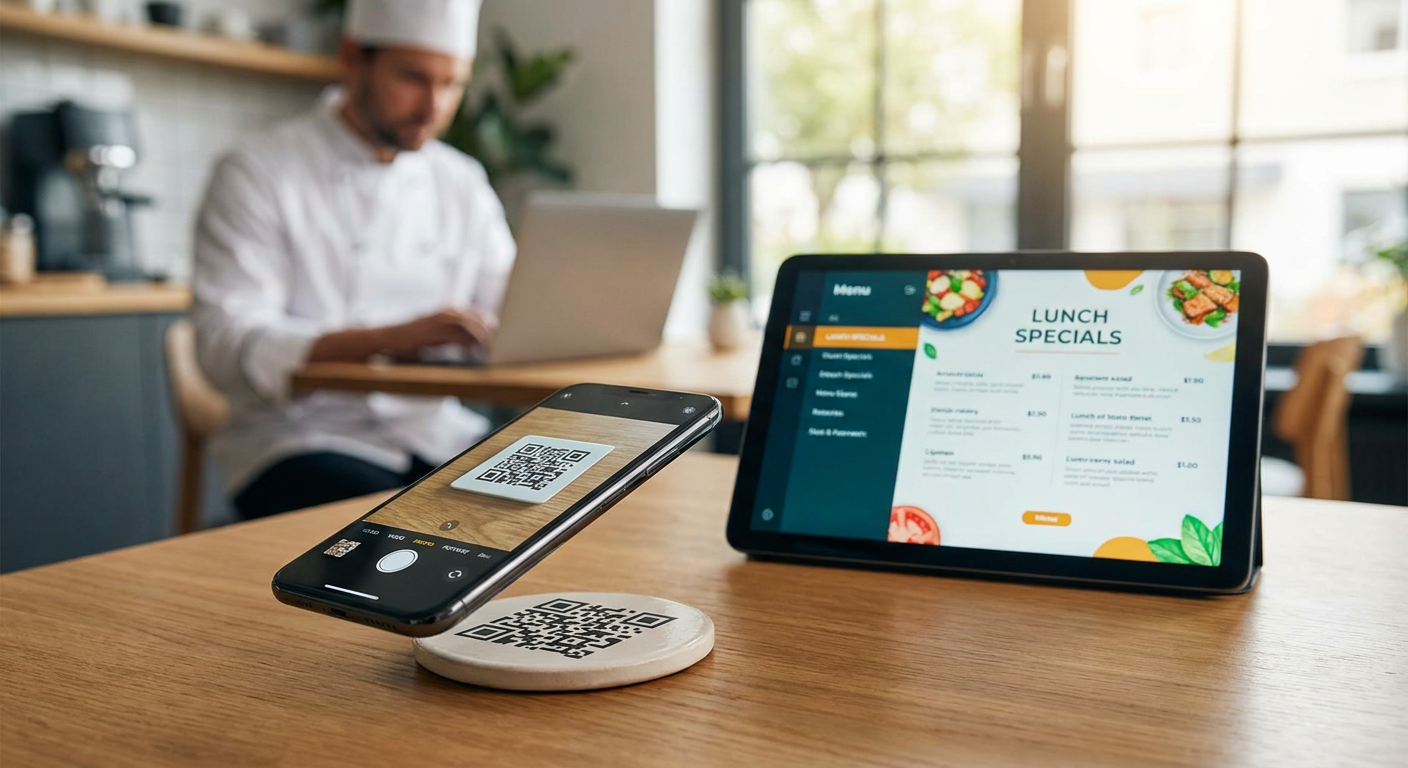
On the tech side, its robust Dynamic QR Codes tool makes instant dynamic QR code regeneration (menu update without reprinting) incredibly simple. Run out of your signature dessert mid-shift? Just toggle it off in your dashboard. The update rolls out to customers' screens in a few seconds, with no need to touch the physical stickers on your tables.
Key Features:
- All-in-one platform handling bookings, link-in-bios, and digital menus.
- Dynamic QR codes featuring white-label design options.
- A built-in AI Assistant to handle guest questions about ingredients.
- Zero-commission ordering routed directly to WhatsApp or local chat apps.
The Verdict: Qret.me is arguably the most sensible choice for independent spots right now. It's affordable, highly customizable, and fully compliant with modern GDPR/CCPA privacy standards.
2. Toast POS (QR Module)
Toast POS is a powerhouse for busy, full-service setups. Its QR system features robust Square POS and Toast POS native integrations, letting guests scan, order, and pay right from their tables. The order flies straight to your kitchen's display screens without your staff needing to take it manually.
That said, Toast is often a massive budget stretch for tiny cafes. The hardware setups can feel overly complex, and their per-location pricing tiers for multi-branch small operators can put some serious strain on modest bank accounts.
The Verdict: It's an excellent choice if you're running a high-volume, full-service place that already relies on Toast hardware—but it's probably too bulky and expensive for a quiet neighborhood coffee shop.
3. Square for Restaurants
Square is a classic go-to for solo operators, and for good reason. It offers straightforward Square POS and Toast POS native integrations that sync directly with your active inventory to mark items as sold-out automatically.
The catch? The design tools are pretty rigid. You can't customize the aesthetic easily, meaning your menu ends up looking like every other cafe down the street. Those transaction fees can also start to bite as your volume grows.
The Verdict: Perfect for standard counter-service joints already plugged into the Square ecosystem who don't mind sticking to a clean, template-locked layout.
How to Choose the Right QR Menu Software for Your Shop
Before you commit to a platform, keep these critical performance factors in mind so you don't end up dealing with broken links or hidden fees down the line:
Offline Fallback and Load Speed
If your restaurant is tucked inside an old brick building with thick walls, cell service is going to be spotty. Heavy, image-bloated PDF menus will fail to load, leaving hungry customers staring at blank loading screens. Look for lightweight, HTML-first menus instead—they load lightning-fast, even on weak tourist SIM cards.
Google Business Profile QR menu embedding
Your digital menu shouldn't exist on an island. It's smart to use Google Business Profile QR menu embedding to connect your digital menu right to your search listings. That way, tourists searching for food nearby can check out your actual dishes and prices before they even walk through your door.
Using Qret.me makes this integration incredibly simple. Because your digital menu lives on your master link-in-bio page, a single link works for your social media bios, your Google Maps profile, and your physical table codes.
Per-location pricing tiers for multi-branch small operators
If you run a couple of locations, watch out for sneaky billing structures. Look closely at the per-location pricing tiers for multi-branch small operators. Some software providers charge massive premiums for every single physical address you add, while others let you manage multiple spots from one simple, cost-effective account.
FAQ
What is dynamic QR code regeneration (menu update without reprinting)?
Dynamic QR code regeneration (menu update without reprinting) is just a technical term for being able to update your online menu instantly. The physical QR sticker on your table stays exactly the same, meaning you don't have to keep reprinting them when you change prices.
Do I need an active POS integration to run a digital menu?
Nope. While platforms like Square and Toast offer integrated registers, plenty of small cafes prefer to keep things simple. Standalone platforms like Qret.me let you run a gorgeous digital menu without forcing you to buy expensive POS hardware bundles.
Can I use a free QR code generator?
You can, but free generators usually spit out static codes. If you need to change a price or remove a dish, you'll have to generate and print a brand-new code. Plus, free options often carry scan limits or show annoying, off-brand ads to your customers.
Unlock Modern Dining Efficiency with Qret.me
Updating your menu shouldn't feel like a chore or cost you a fortune in printing paper. If you want to simplify things for your small cafe, neighborhood bistro, or food truck, Qret.me offers a really smart way forward.
By taking advantage of Qret's Digital Menu features, you get seamless dynamic QR code regeneration (menu update without reprinting), responsive mobile layouts, easy multi-language translations, and built-in AI tools. The platform's integrated AI Assistant can even handle customer questions about gluten-free options or opening hours 24/7.
Ready to ditch the printing costs for good? Try out Qret.me for free today and get your digital menu up and running in minutes!