
What is Contactless Delivery? A 2025 Guide to Hybrid Commerce and Digital Identity
Contactless delivery isn't just a leftover habit from a few years ago—it’s the backbone of how we shop in 2025. Whether you're operating in Turkey, Europe, or across Asia, customers don't just appreciate it; they expect it. But if you think it's just about a courier leaving a package on a mat and walking away, you're only seeing the tip of the iceberg. True modern commerce is a sophisticated handoff between logistics, digital identity, and the tools we use to stay connected.
This guide cuts through the jargon to look at how these systems actually work and how they fit into a broader business strategy. We’ll look at how specific tools—like a high-performing Link in bio for Instagram or a Dynamic QR code with analytics—can turn a simple delivery into a major growth engine. By the time you finish reading, you'll see why the line between "physical" and "digital" has almost completely disappeared.
Defining the Modern Standard of Delivery
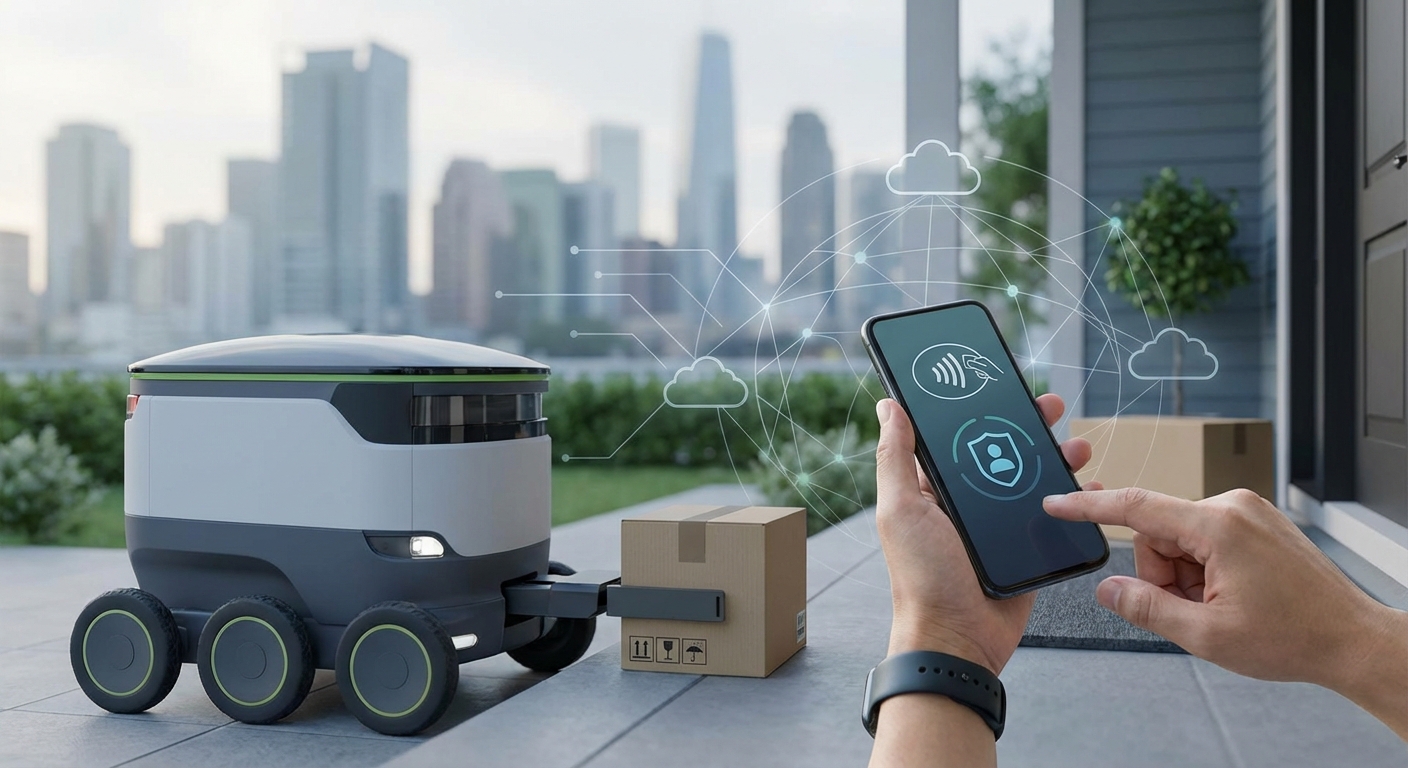
At its core, the concept is simple: getting goods to a buyer without the courier and recipient ever actually meeting. But in 2025, that definition has grown. It’s no longer just the "last mile"—it’s the whole journey. It starts the moment someone spots your product on social media and ends only when they’ve confirmed they’ve got their package via their phone.
The secret sauce here is digital identity. For any retailer trying to make it today, the choice of digital touchpoints is everything. It doesn't matter if you're running a boutique in Paris or a busy bistro in Istanbul using a Digital Menu; the goals are identical: speed, privacy, and zero friction. Here’s why this model is dominating right now:
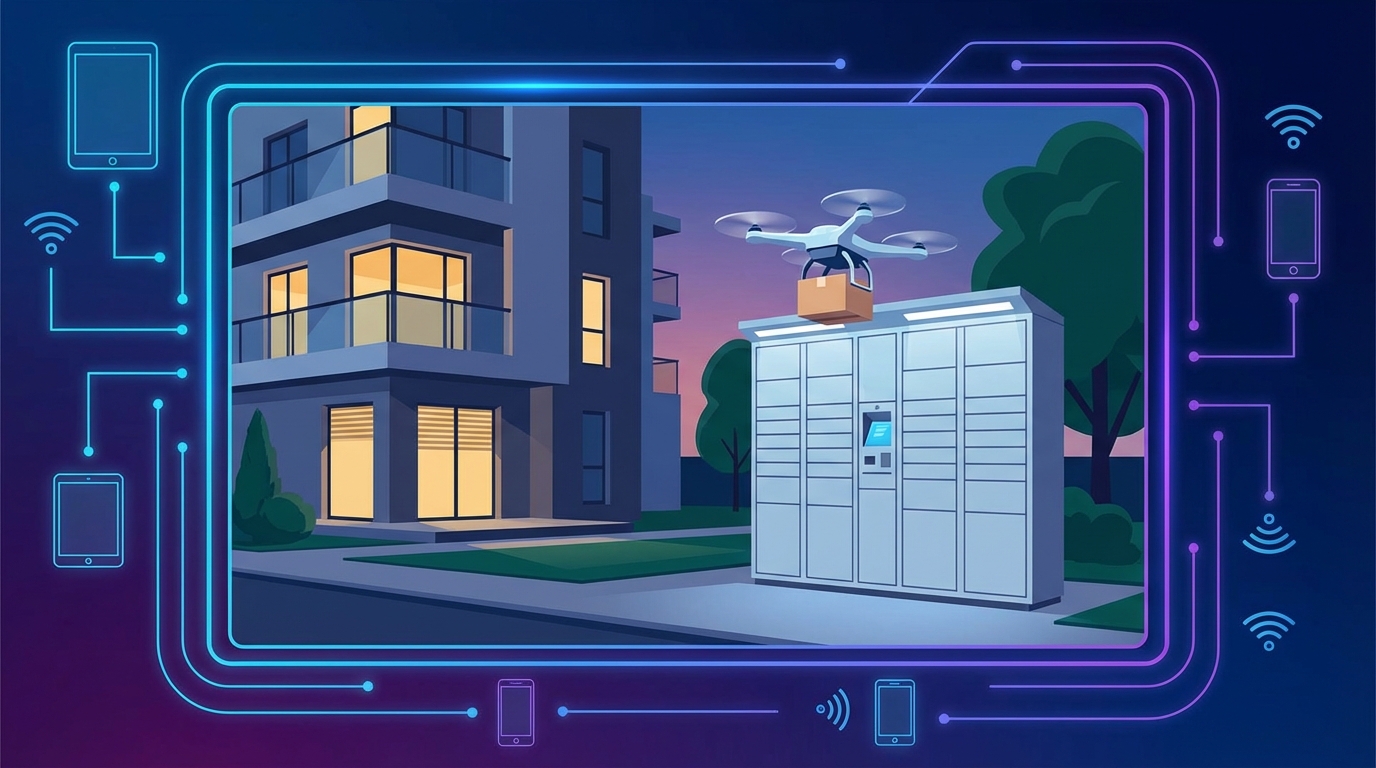
- Pure Convenience: Nobody wants to be "stuck at home" waiting for a four-hour delivery window. Smart lockers and secure drop spots have fixed that.
- Faster Turnarounds: Couriers can actually finish their routes up to 30% faster when they don't have to wait for someone to open the door or sign a piece of paper.
- The Hygiene Factor: It’s still a priority. In many Asian and European markets, a "hands-off" service is seen as a sign of a premium, thoughtful brand.
- Goldmine of Data: Every click and scan tells you something. You’re learning what your customers actually want, which makes your future marketing much smarter.
The Operational Workflow of Hybrid Commerce

Getting this right means mastering four specific stages. Think of these not just as tasks, but as chances to prove to your customer that you know what you're doing.
1. The Digital Entry Point
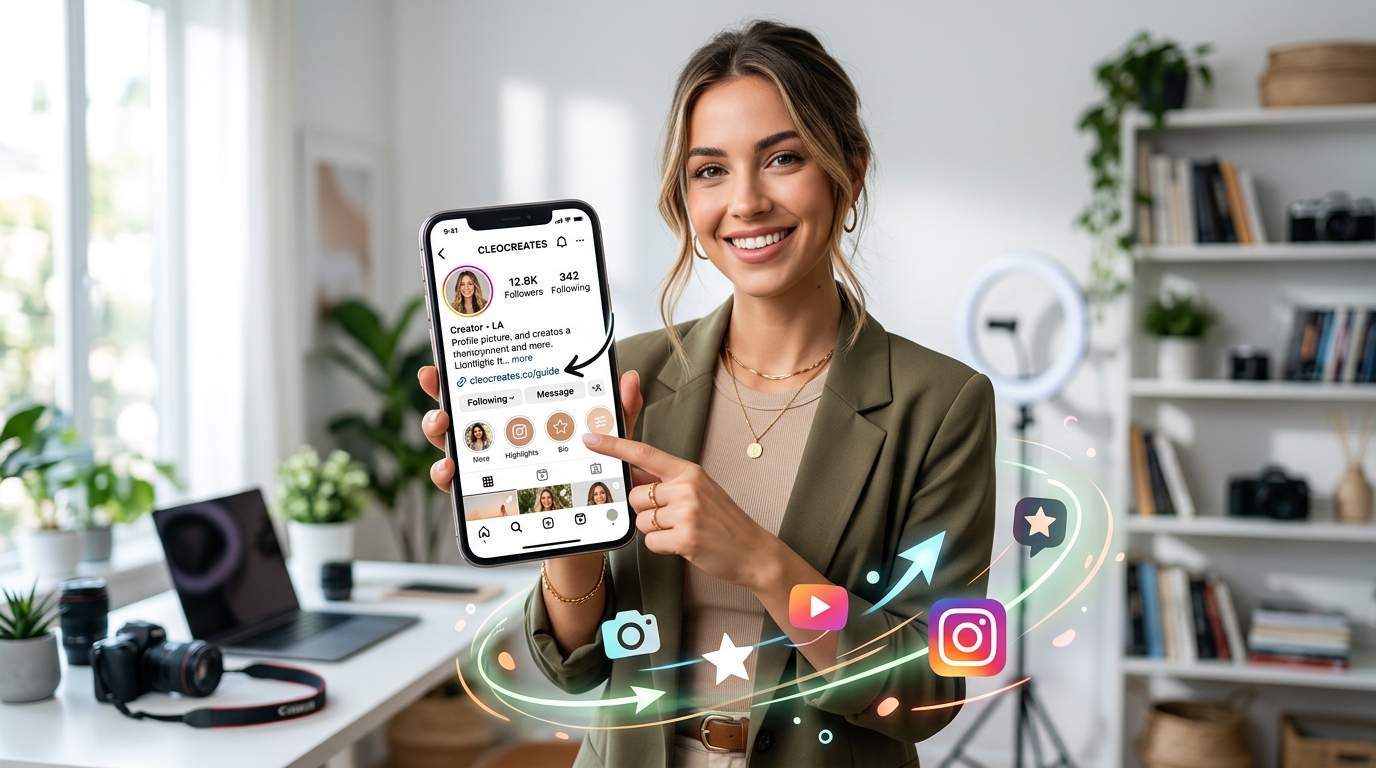
In social-heavy markets like Turkey or the UAE, your storefront isn't a building—it's an app. People find you on Instagram or TikTok, and they want to buy *right then*. That’s exactly why a professional Link in bio for Instagram is a non-negotiable tool. It’s the gateway. It holds your catalog, your support chat, and your order buttons so the customer never has to break their flow.
2. Frictionless Digital Payment
You can't really have a "contactless" delivery if someone has to hand over cash at the door. It kills the whole vibe. Everything has to be settled upfront. By embedding payment links directly into your bio link or site, you make the transaction invisible—and that’s exactly what separates the pros from the amateurs in 2025.
3. Logistics and Real-Time Tracking
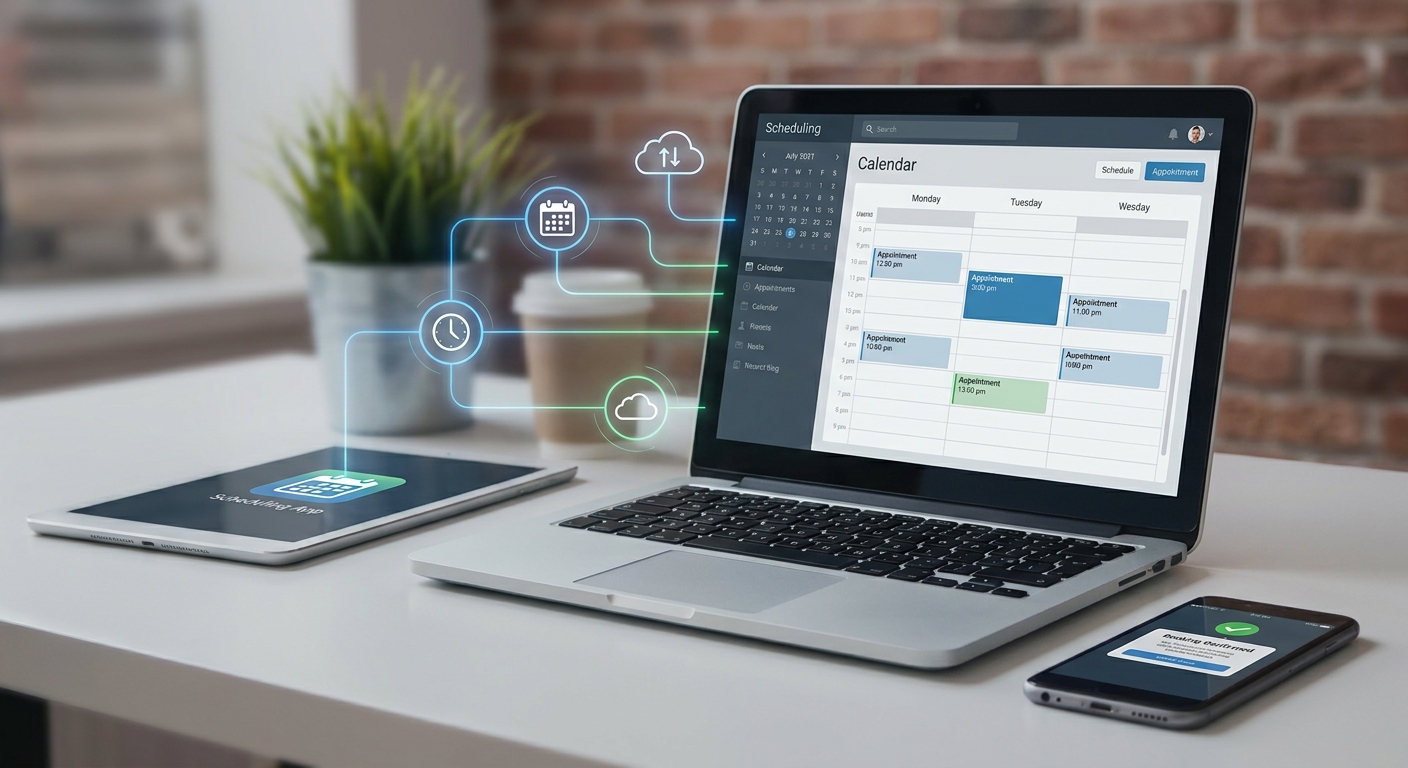
Once the package is out the door, the customer starts checking their phone. Transparency is the only way to build trust here. GPS tracking and automated texts are standard now. And when that package hits the doorstep? The courier snaps a photo, it uploads to the system, and the "digital receipt" is sent. It's clear, it's fast, and it stops arguments before they start.
4. Post-Delivery Engagement
Don't just drop the box and disappear. Smart brands use a Dynamic QR code with analytics on the box itself. When the customer scans it to open a manual or grab a discount code for their next order, you’re getting data. You're turning a one-off buyer into a regular.
The Critical Role of Dynamic QR Codes
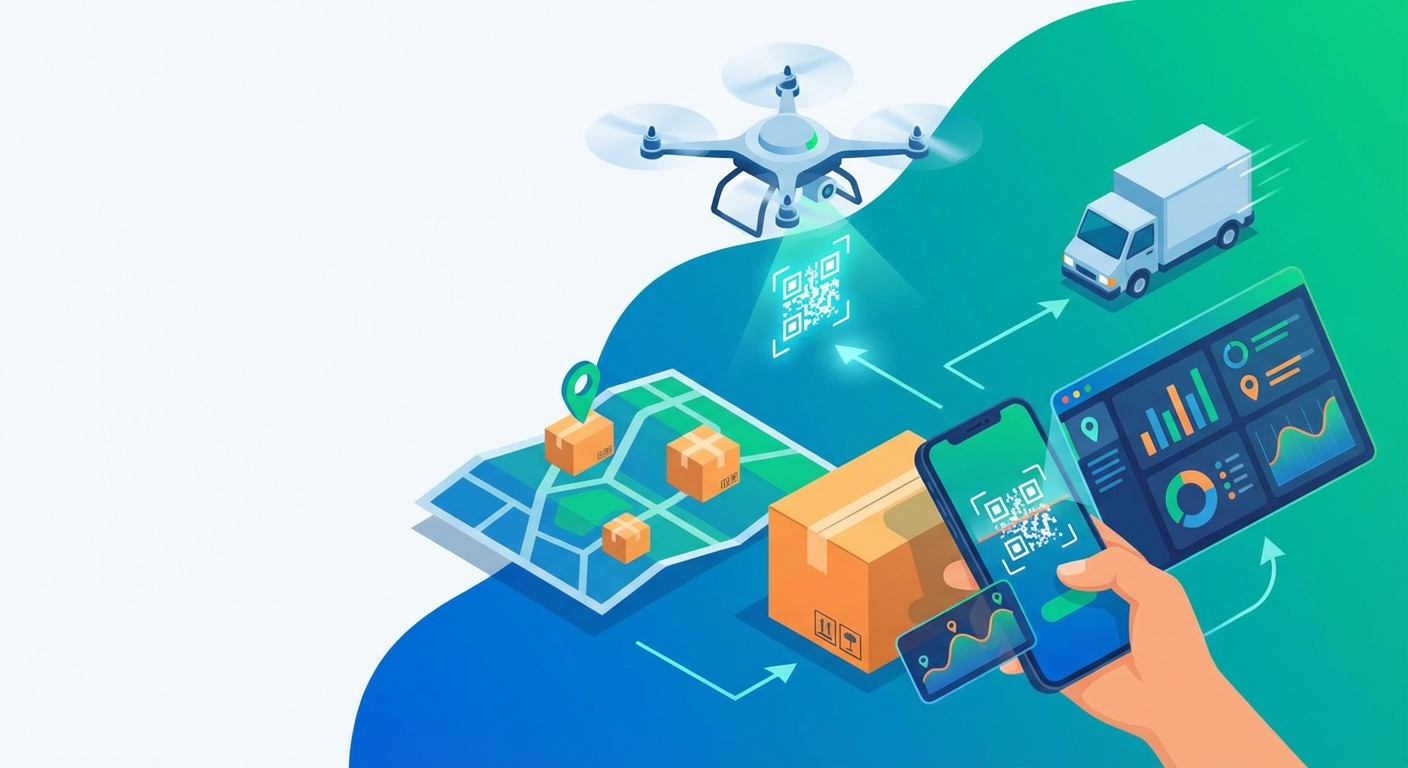
In 2025, a QR code isn't just a link to a website; it’s a sophisticated bridge between the physical and digital worlds. A Dynamic QR code with analytics beats a static one every time for a few big reasons:
- Track Everything: You'll know exactly what time a package was scanned and roughly where.
- Change on the Fly: Did you make a mistake in the digital manual? You can update the link without having to chase down the boxes you already shipped.
- Know Your Audience: Your dashboard shows you what phones your customers use, helping you tweak your mobile experience.
- Lock It Down: You can set these codes to expire or require a password, which is great for sensitive deliveries.
Maximizing Instagram and the Link in Bio
Instagram is basically a shopping mall now. But the "one link" rule in the bio is still a huge pain for businesses. This is what makes a high-performance Link in bio for Instagram strategy so vital.
Don't just use a boring list of links. Your bio-link page should feel like a mini-app. It should have product carousels, integrations with your business growth tools, and even an AI Assistant to handle questions about shipping while you sleep. That’s how you turn a follower into a customer.
Market Trends: Turkey, Europe, and Asia
The tech might be the same, but the way people use it changes depending on where you are.
Turkey: The Growth of Instant Commerce
In cities like Istanbul, people want their stuff *now*. The "Getir-effect" has made 10-minute delivery the benchmark. For smaller businesses, the win is combining Instagram orders with smart local courier tracking to keep that pace up.
Europe: Privacy and Sustainability
European shoppers are big on two things: their data and the environment. Contactless delivery here usually means no plastic and very clear digital identity rules. You have to be upfront about what data you're taking and why.
Asia: The Rise of Super-Apps
In places like China or Singapore, delivery is baked into "everything apps." If you're a brand working outside those ecosystems, a unified bio link is your best bet for offering that same seamless experience. QR codes aren't just an option there—they're the language of commerce.
How AI and Automation Drive Efficiency
AI is the quiet engine running behind the scenes in 2025. It’s the agent that answers "Where is my order?" at 3 AM. It’s the system that tells a courier to change their route because a customer updated their drop-off spot. By using an AI Assistant, you can grow your business without having to hire a massive support team.
Overcoming Implementation Challenges
It’s not all sunshine and rainbows. "Porch piracy" is a real headache. To fix this, more brands are leaning on smart lockers or requiring a quick photo-scan via a Dynamic QR code with analytics to prove the package was left safely. And for food or perishables? IoT sensors are starting to tell us exactly what the temperature was every minute of the trip.
Leveraging Qret.me for Business Scaling
Trying to piece all this tech together can feel like a full-time job. That’s where Qret.me comes in. It’s an all-in-one AI platform built to bridge your digital presence and your physical products without the headache.
With Qret.me, you get:
- Better Dynamic QR Codes: Track every scan and see how people interact with your products.
- Smart Bio Links: Build a Link in bio for Instagram that actually sells, with integrated booking and sales blocks.
- AI Support: An AI agent that actually knows your business and answers your customers' "what, when, and how" 24/7.
- Deep Analytics: Use the Growth Engine to see where your traffic is coming from and how to get more of it.
Ready to bring your delivery strategy into 2025? Start with Qret.me for free and see the difference a smart infrastructure makes.
Frequently Asked Questions
What's the real difference between contactless and traditional delivery?
It's all about the interaction. Traditional delivery usually needs a person at the door to sign or pay. Contactless uses digital tools to handle the "handshake," so the physical drop-off can happen whenever it's most convenient.
What tools do I need to start?
You don't need to spend a fortune. A solid Link in bio for Instagram lets you take orders, and a Dynamic QR code with analytics lets you track and stay in touch after the sale. Pair those with a decent courier, and you're in business.
Why should I care if a QR code is "dynamic"?
Static codes are set in stone. If you want to change the link, you have to reprint your packaging. Dynamic codes let you change the destination URL anytime you want, plus they give you the data on what, where, and when people are scanning.
Conclusion
Understanding what contactless delivery has become in 2025 is key to staying relevant. It’s a delicate dance between physical logistics and your digital identity. By using tools like a Link in bio for Instagram and Dynamic QR codes with analytics, you’re not just delivering a box—you’re delivering an experience. Whether you’re growing a brand in Turkey or expanding across Europe, the goal is a secure, data-backed journey. Qret.me is here to help you build that future, one scan at a time.