

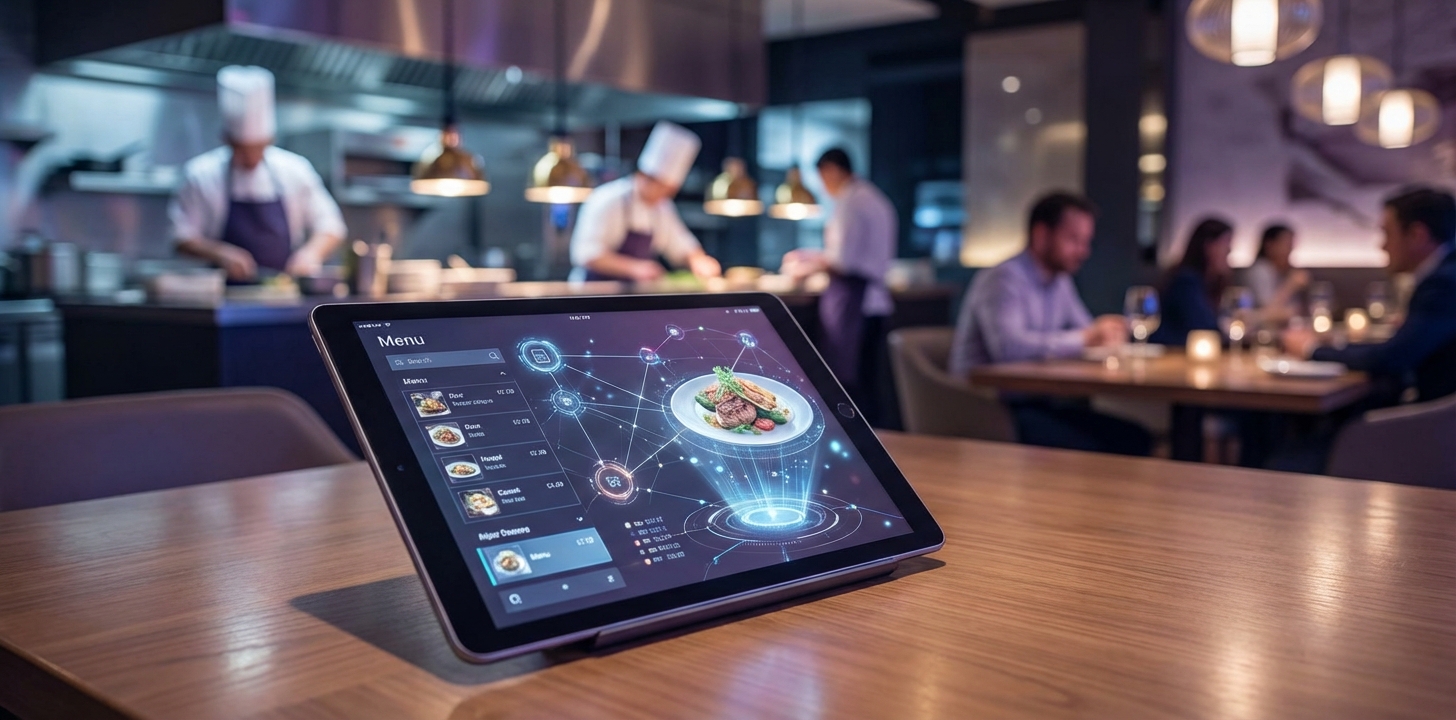
The Ultimate Guide to a Digital Menu Restaurant in 2026
The Quick Take: By 2026, the concept of a digital menu restaurant has moved lightyears beyond those clunky, zoomed-in PDFs we all tolerated a few years ago. It’s now a sophisticated "Digital Twin" of the actual dining room. We’re talking about an ecosystem that syncs your kitchen's inventory with AI-driven service and handles your bookings 24/7 without you lifting a finger. If you’re running a digital menu restaurant right, you’re likely seeing order values jump by about 30% while your labor costs actually drop. Tools like Qret.me make building this setup surprisingly easy—no tech degree required—leaving those primitive 2020-era QR codes in the rearview mirror.
The Evolution of the Digital Menu Restaurant (2020–2026)
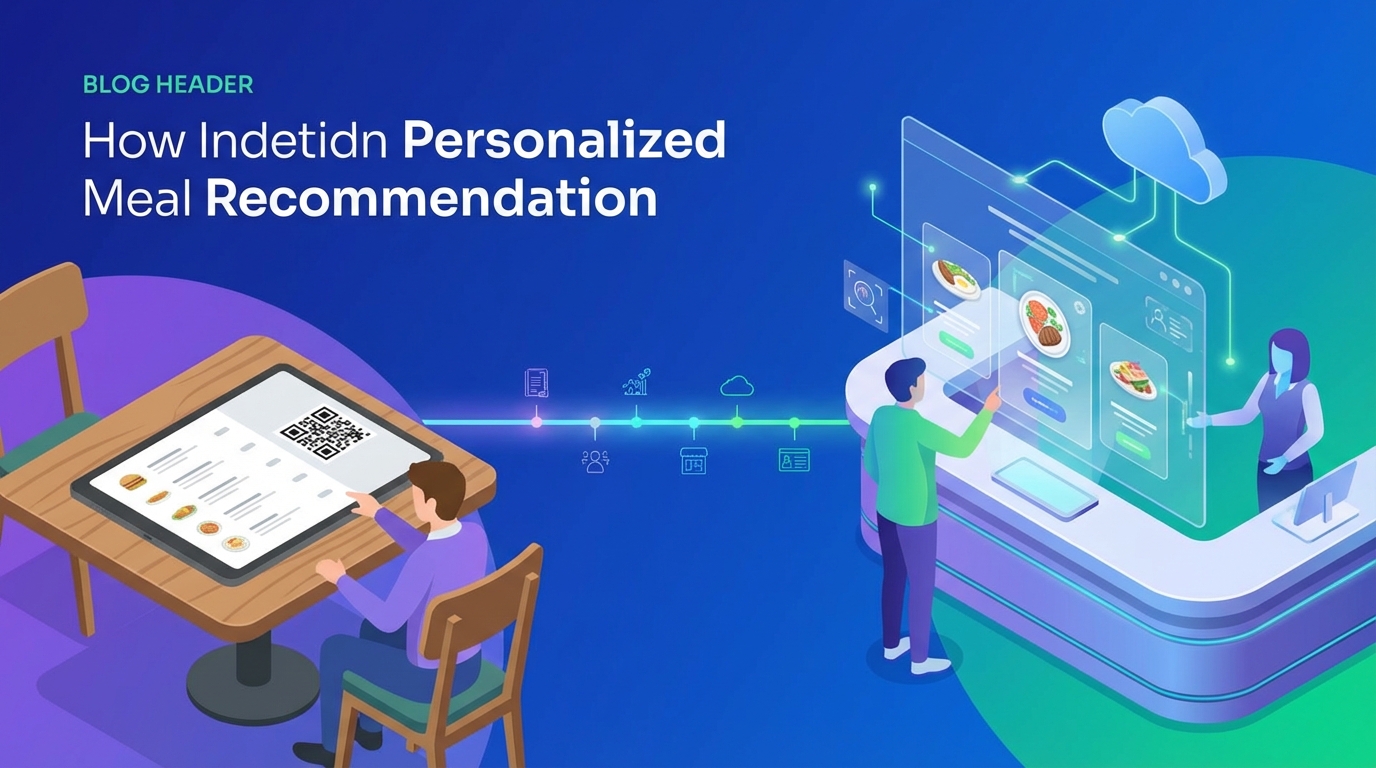
The shift toward the digital menu restaurant model has been a wild ride. Think back to 2020—QR codes were a clunky, hygienic necessity we all used because we had to. By 2024, they were the standard for speed. Fast forward to 2026, and we've entered the "Phygital" era, where the physical meal and digital convenience are essentially inseparable. The data doesn't lie: 85% of diners now actively prefer a digital menu restaurant over the old paper-and-ink versions. They want the high-res photos, the deep-dive nutritional info, and a way to interact with the brand on their own terms.
Remember those early days when restaurants just uploaded a static PDF? They were a nightmare to read on a phone and impossible to update on the fly. Guests would get excited for the catch of the day, only to be told it sold out an hour ago. Today’s digital menu restaurant is different; it’s alive. By using a clever bio link, a spot can host its full menu, booking engine, and social feeds on one sleek page. In 2026, your menu isn't a static document—it’s a real-time conversation between your kitchen and your guest, powered by smart data sync.
The Psychology of the Digital Diner
Ever felt that "decision fatigue" when staring at a massive, 10-page leather-bound menu? Your customers feel it too. The beauty of the digital menu restaurant model is that it stops the overwhelm. With categorized browsing and search bars, guests find what they want instantly. And when the screen says "Recommended for You" or "Trending at This Table," it’s using the same high-conversion psychology that makes Amazon and Netflix so addictive.
It’s also about the visuals—pure and simple. When a guest sees a high-def video of a steak sizzling or a cocktail being shaken, their brain’s reward centers light up. That’s a biological trigger that a text description on a card just can’t touch. By leaning into the visual appeal, a digital menu restaurant turns the act of ordering from a chore into a form of entertainment. It's not just food anymore; it's an experience.
Core Features for Your Digital Menu Restaurant
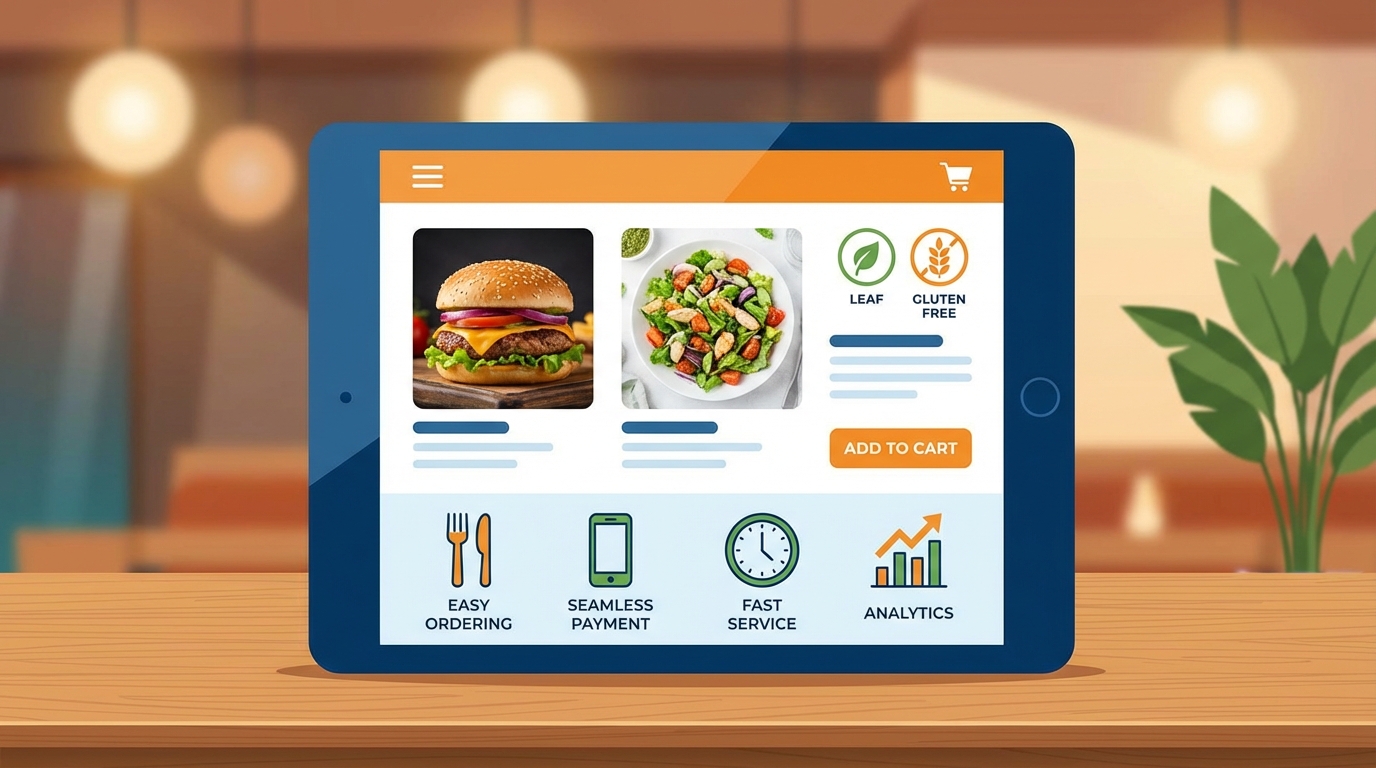
If you want to thrive as a digital menu restaurant in 2026, you've got to offer more than just a list of items. Success is all about user-centric tools that drive sales. You can check out our full feature list for the deep dive, but here are the non-negotiables:
- Visual Storytelling: Every dish needs professional shots or even short video loops—think "cinemagraphs" that make the food look irresistible.
- Live Inventory Sync: If the kitchen sells that last portion of sea bass, it should vanish from the menu instantly. No more "I'm sorry, we're out of that" conversations.
- Global Language Support: Qret.me supports everything from Spanish and French to Turkish and Arabic, so tourists never feel like they're guessing.
- One-Tap Bookings: An online booking system should be right there in the menu, letting guests reserve their next table before they've even finished dessert.
- Smart Dietary Filters: Let people toggle for vegan, keto, or nut-free options with a single tap. It makes them feel seen and safe.
One bistro I know saw their drink sales climb by 22% just by adding a "Suggested Pairing" button next to their mains. When the technology makes the choice easy, the money follows.
AI Chatbots: The Intelligent Digital Concierge
The real game-changer in 2026 is the AI chatbot customer service integration. We’re not talking about those old, "I didn't understand that" bots. Today’s AI agents are trained on your specific menu, your prep methods, and even your restaurant's backstory. They’re basically a digital member of your waitstaff within the digital menu restaurant framework.
Think about a guest with a shellfish allergy. Instead of waving down a busy server who has to go run to the kitchen, they just ask the menu's AI: "Is there cross-contamination with shrimp in this pasta?" The AI answers instantly based on your live kitchen protocols. It’s safer for the guest and it frees your human staff to do what they do best: building rapport and keeping the vibe right. Qret.me even gives you generous AI credits to get this started without a massive investment.
The Strategic Power of Dynamic QR Codes
In 2026, if you're still using "set it and forget it" QR codes, you're leaving money on the table. A modern digital menu restaurant relies on a smart QR code generator to create dynamic links. The difference? You can change where the link goes without ever reprinting your table cards or window stickers.
This is a marketing superpower. During the lunch rush, your codes can point to a "Quick Lunch" express menu. At 7 PM, those same codes automatically switch to the full dinner and wine experience. Plus, branded QR codes—the ones that use your logo and colors—get scanned way more often than those generic black boxes. They look professional, and they build trust before the first course even arrives.
Integrating Seamless Online Booking Systems
Let’s be honest: in 2026, making a customer pick up the phone to book a table is a barrier. A digital menu restaurant needs an online booking system that lives everywhere—on the menu, in your social bios, and on your Google profile.
These automated systems do more than just take names. They manage table turns, handle deposits to cut down on no-shows, and send out SMS reminders automatically. It keeps the dining room full and the front-of-house staff sane. In the modern hospitality world, efficiency is exactly what protects your margins.
Bio Links: The Social Media Entry Point
Instagram and TikTok are the new "front doors" for foodies. But since those platforms only give you one link, the digital menu restaurant strategy uses a specialized bio link. It’s a mobile-optimized landing page that serves as your digital hub.
With just a couple of taps, someone can find you on TikTok, click your bio link, browse the menu, and book a table for their anniversary. Removing that friction is the difference between a "like" on a post and a paying guest at your table.
Leveraging Analytics for Menu Engineering
Data is the secret sauce of a digital menu restaurant. Every time someone scans your code, they leave a trail. By watching your visitor analytics, you can see exactly what’s happening. Which dishes are people staring at but never ordering? What’s the most popular drink at 10 PM on a Friday?
This lets you do "Menu Engineering" in real-time. If you see a high-profit appetizer getting ignored, you can move its digital block to the top of the page or slap a "Chef's Choice" badge on it instantly. You’re no longer guessing what your customers want—you’re using their own behavior to boost your bottom line.
Sustainability and the Paperless Revolution
By 2026, guests really care about a brand's footprint. Moving to a digital menu restaurant model is a loud, clear signal that you’re committed to sustainability. Think of the thousands of dollars and reams of paper you save by ditching physical menus that just end up in the bin.
Beyond the "green" factor, the cost savings are huge. Traditional restaurants spend a fortune on printing every time the season changes or the price of steak goes up. With a digital system, those updates are free. It’s a great way to win over the eco-conscious Gen Z crowd while keeping your operational budget in check.
Frequently Asked Questions
1. What exactly is a digital menu restaurant?
It's a business that uses digital interfaces—usually via QR codes—to handle browsing, ordering, and bookings. It often uses AI to make the whole process smoother for both the guest and the staff.
2. How does an AI chatbot help my staff?
It takes the repetitive questions off their plate. Instead of answering "Is this gluten-free?" fifty times a night, the AI handles it, so your servers can focus on actual hospitality.
3. Do I need coding skills to use Qret.me?
Not at all. It’s built for restaurateurs, not IT pros. If you can use a smartphone, you can launch your digital menu restaurant using their drag-and-drop dashboard.
4. Can I still accept cash in a digital menu restaurant?
Of course. The digital menu is there to help people discover and order food. How they pay—cash, card, or phone—is still completely up to you.
5. What happens if I want to change a price?
You just change it in your dashboard, and it updates everywhere instantly. No reprinting, no stickers, and no awkward explanations to guests.
6. Is a digital menu accessible for older guests?
Surprisingly, yes. By 2026, these interfaces are built with high contrast and big fonts. They’re often much easier for seniors to read than a tiny-print paper menu in a dark restaurant.
Conclusion: Future-Proofing Your Restaurant
Look, the move to a digital menu restaurant isn't just a tech trend anymore—it’s how you survive in 2026. Integrating AI, dynamic codes, and easy bookings creates a synergy that actually grows your business and keeps guests coming back.
Qret.me gives you the full toolkit to lead this charge. By putting your menu, your AI assistant, and your booking system under one roof, you stop paying for a dozen different subscriptions. Whether you’re running a small local bakery or a massive steakhouse, your ROI starts with your digital presence. Ready to see the difference? Try Qret.me for free today and see where the future of dining can take you. No credit card needed to get started.